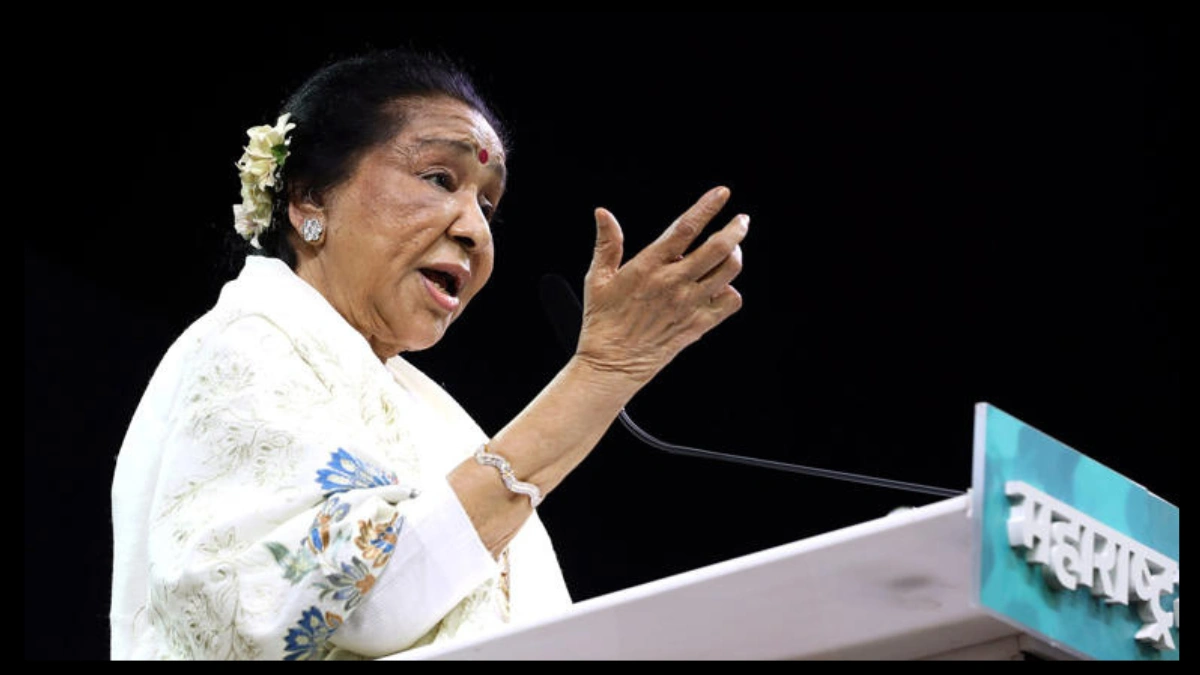
Asha Bhosle Tribute
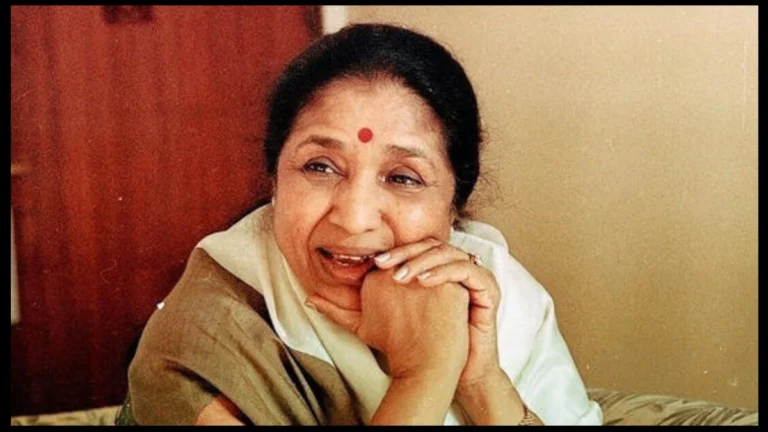
A controversy has erupted in Pakistan after the country’s media regulator issued a notice to a leading news channel for airing a tribute to legendary Indian singer Asha Bhosle. The move has sparked widespread criticism from journalists, activists, and civil society members, many of whom see it as an attempt to impose unnecessary restrictions on artistic expression.
The Pakistan Electronic Media Regulatory Authority served a show-cause notice to Geo News, alleging that the broadcaster violated guidelines by airing Indian songs and visuals from films while covering Bhosle’s passing. The iconic singer died on April 12 in Mumbai at the age of 92, prompting tributes from across the world, including Pakistan, where her music has long enjoyed popularity.
Pakistan’s leading newspaper Dawn noted in its obituary that Bhosle’s music transcended borders and resonated deeply with audiences in Pakistan. The report also highlighted her cultural connections with the country, including her admiration for legendary Pakistani singer Noor Jahan and her collaborations with Nusrat Fateh Ali Khan.
PEMRA issued a show cause notice to Geo News today about an airing report about the death of an Indian singer Asha Bhosle pic.twitter.com/KODNSH2Xb7
— Ehtisham ul haq (@ehtishamulhaq87) April 13, 2026
However, the regulator’s action against Geo News has triggered sharp reactions. Senior journalist Azhar Abbas called the notice unreasonable, stating that it has always been standard practice for media outlets to revisit and celebrate the work of iconic artists after their death. He emphasized that Bhosle’s contribution to music deserved even greater recognition.
Echoing similar concerns, Azaz Syed described the move as unprecedented, warning that such restrictions could undermine the independence of mainstream media. Other prominent voices, including Gharidah Farooqui and Rauf Klasra, also criticized the decision, arguing that art and culture should not be constrained by political boundaries.
Some commentators drew parallels with the restrictive policies of the Zia-ul-Haq era, when cultural expression faced heavy censorship. They cautioned against reverting to such measures in today’s digital age, where global platforms and technologies have made cross-border cultural exchange more accessible than ever.
Legal experts and activists also weighed in on the issue. Barrister Amir Zafar Khan termed the action unnecessary censorship, while human rights reporter Alifya Sohail described it as a trivial move that undermines Pakistan’s image at a time when it seeks to position itself as a mediator in international affairs.
Despite the widespread criticism, not everyone opposed the regulator’s stance. Journalist Wajahat Kazmi defended the notice, arguing that the timing of such coverage was inappropriate given the approaching anniversary of the India-Pakistan conflict. He suggested that media outlets should prioritize national sentiment and responsibilities during significant moments of remembrance.
The debate has highlighted deeper tensions between cultural openness and regulatory control in Pakistan’s media landscape. For many, the issue goes beyond a single tribute and raises questions about freedom of expression and the role of media in bridging cultural divides.
In a poignant response to the controversy, journalist Noreen Zahra quoted renowned Indian lyricist Gulzar: “Eyes do not need a visa because dreams are beyond borders,” capturing the sentiment of those advocating for art that transcends political boundaries.
About the Author