Islamabad Talks Failure
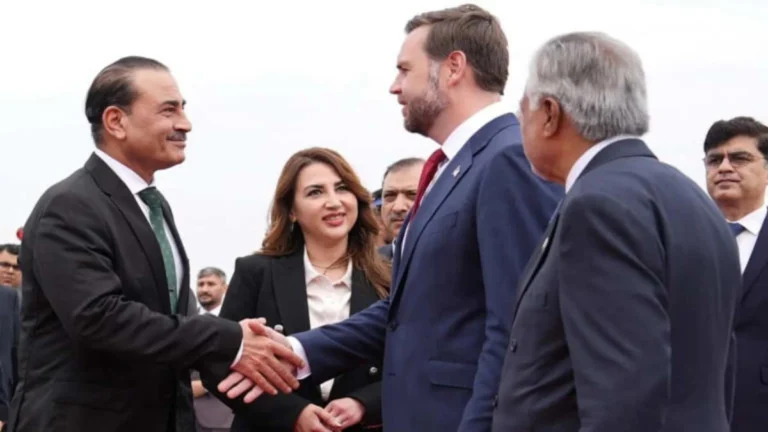
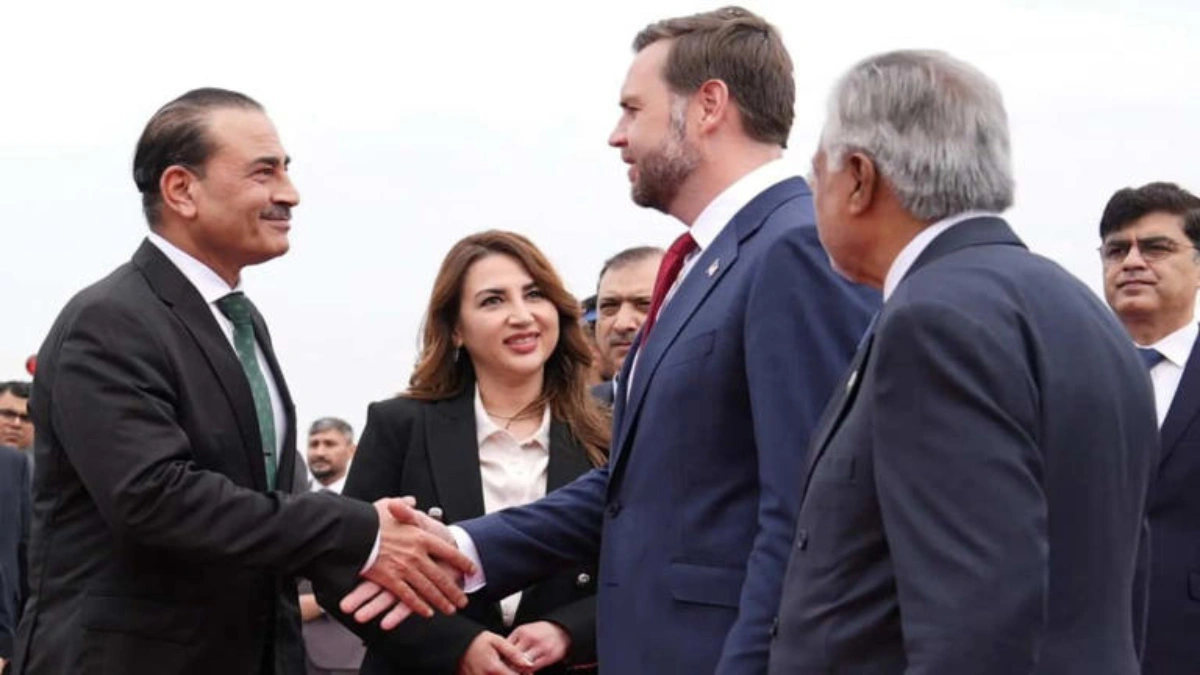
The recent diplomatic engagement in Islamabad between Iran and the United States has ended without a breakthrough, reinforcing concerns among analysts about Pakistan’s role and intent as a mediator. While the talks initially generated global attention and were projected domestically as a diplomatic success, their failure has exposed underlying anxieties within Pakistan’s strategic establishment.
Prime Minister Shehbaz Sharif had earlier highlighted the international spotlight on Pakistan, claiming that global capitals—from Tokyo to London—were closely watching Islamabad’s efforts. Social media reactions within Pakistan echoed similar sentiments, with many users portraying the country as an emerging “peace-maker” on the global stage. However, the collapse of the talks has led experts to question whether such claims were premature or overstated.
Observers argue that Pakistan’s attempt to position itself as a mediator reflects a recurring pattern of seeking geopolitical relevance during times of regional crisis. As noted by author Raja Muneeb, a state that lacks the capacity to absorb the consequences of conflict may struggle to establish credibility as a neutral facilitator. This critique has gained traction following the inconclusive outcome of the Islamabad discussions.
Historically, Pakistan’s establishment has often framed reactive or constrained decisions as strategic victories. Whether in the context of regional operations, diplomatic alignments, or support for international proposals, critics suggest that such positioning is sometimes aimed at maintaining an image of influence rather than reflecting actual leverage. In the case of the recent talks, some analysts believe Islamabad’s role may have been more about providing diplomatic space to larger powers than achieving a concrete resolution.
The broader debate also touches upon Pakistan’s historical and ideological foundations. The country’s identity continues to be closely tied to the concept of the “two-nation theory,” which underpinned its creation in 1947. However, critics argue that this framework has also contributed to a persistent need to assert distinctiveness and relevance, particularly in comparison with India.
This perceived need for validation is often reflected in Pakistan’s foreign policy ambitions, including aspirations to lead the Islamic world or to highlight its status as the only nuclear-armed Muslim-majority nation. At the same time, its strategic outlook has frequently been shaped by rivalry with India, influencing both regional diplomacy and internal narratives.
In his book Where Borders Bleed, Rajiv Dogra recounts an anecdote that illustrates the intensity of this rivalry. While anecdotal in nature, such accounts are often cited by analysts to underline the deep-rooted tensions that continue to influence bilateral relations and strategic thinking.
Adding another dimension to the discussion, writer Utpal Kumar has argued that Pakistan’s evolution reflects a complex mix of ideological and geopolitical influences. According to this perspective, the country has long navigated competing impulses—balancing modern statehood with religious identity—without fully reconciling the two. This internal duality, some experts suggest, has shaped its external engagements as well.
Over the decades, Pakistan has frequently aligned itself with major global powers to maintain strategic relevance. From its role during the Cold War to its involvement in the War on Terror, such alignments have often come with significant internal and external consequences. Critics argue that this pattern has reinforced a dependence on external validation while complicating domestic stability.
The current regional crisis involving Iran has once again brought these dynamics into focus. Rising fuel and food prices, coupled with an ongoing debt crisis, have intensified economic pressures within Pakistan. Against this backdrop, the government’s attempt to project diplomatic leadership may also be seen as an effort to counterbalance internal challenges.
Meanwhile, Pakistan’s close ally China appears to be observing developments cautiously. As noted by former diplomat Vivek Katju, Beijing has maintained a measured stance, avoiding overt involvement while monitoring the evolving situation. This reflects the broader geopolitical complexity surrounding the region, where multiple powers have overlapping yet distinct interests.
The failure of the Islamabad talks underscores the challenges of mediation in a highly volatile environment. It also raises important questions about the prerequisites for effective diplomacy—credibility, capacity, and neutrality. For Pakistan, the episode serves as a reminder that projecting influence on the global stage requires more than symbolic gestures; it demands consistent policy coherence and the ability to manage both internal and external pressures.
As regional tensions persist, the spotlight remains on how Pakistan navigates its role in an increasingly complex geopolitical landscape. Whether it can translate ambition into tangible outcomes will likely determine its standing in future diplomatic efforts.
About the Author