AI vs AI Agents
In today’s rapidly evolving tech landscape, Artificial Intelligence has become an integral part of daily life. From answering queries through chatbots to recommending movies and products, AI is everywhere. However, a new term is gaining traction alongside AI—AI agents. While many people use these terms interchangeably, they represent two distinct concepts. Understanding the difference is essential as technology moves toward deeper automation.
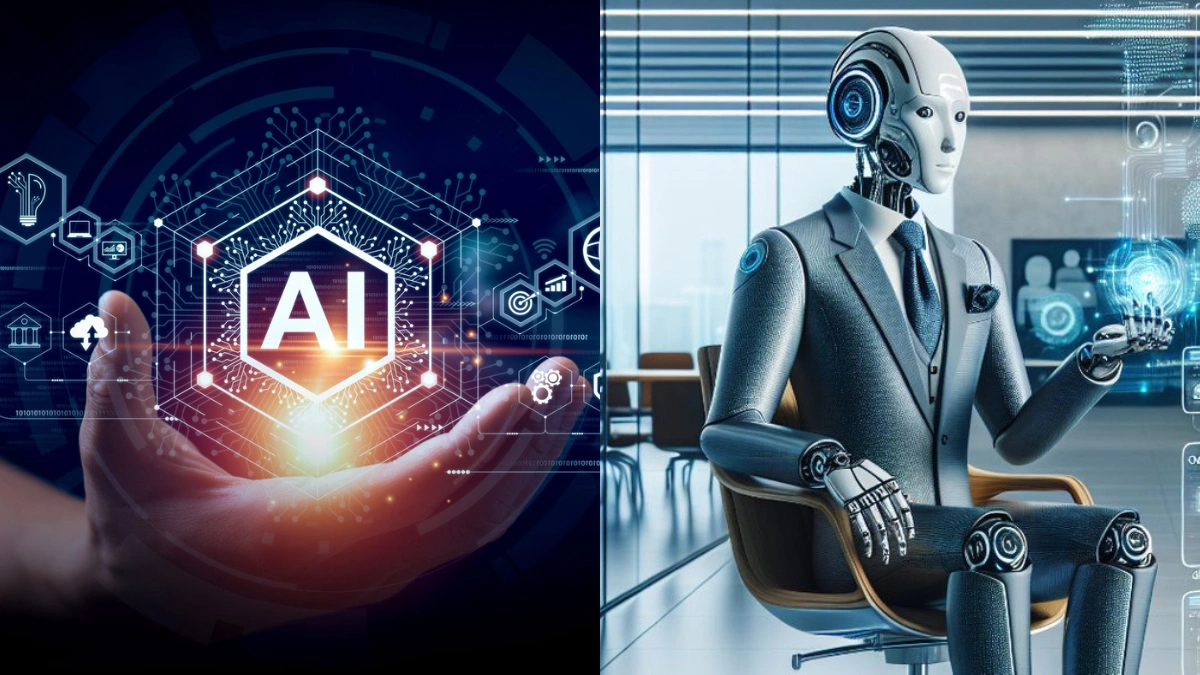
At its core, AI can be described as a system that processes information and provides responses, whereas an AI agent goes beyond that by actually taking action based on those responses.
AI: The Intelligence That Informs
Artificial Intelligence refers to machines or software systems that are designed to simulate human intelligence. These systems analyze data, recognize patterns, and provide answers or suggestions based on input.
Think of AI as a highly knowledgeable assistant that can guide you. For instance, if you ask AI how to bake a cake, it will give you a detailed recipe, explain each step, and even suggest tips to improve the outcome. However, the responsibility of actually baking the cake still lies with you.
This is how most AI tools function today—they are reactive. They wait for a user prompt and then respond accordingly. AI powers many commonly used technologies, including virtual assistants, recommendation engines, and chatbots. These tools are excellent at providing information and helping users make decisions, but they stop short of executing tasks independently.
AI Agents: The Systems That Act
AI agents represent the next step in technological advancement. Unlike traditional AI, they are designed not just to think but also to act.
An AI agent is built with a specific goal in mind. Once assigned a task, it can plan the necessary steps, make decisions along the way, and carry out actions with minimal human intervention.
For example, instead of just explaining how to bake a cake, an AI agent could take the process further. It might order the required ingredients online, set reminders for each step, and even control a smart kitchen appliance connected to the internet.
In practical terms, AI agents function like advanced digital assistants. They can handle complex tasks such as planning travel by searching for flights, comparing hotel options, and completing bookings—all without constant user input.
The Core Difference: Thinking vs Acting
The fundamental distinction between AI and AI agents lies in their capabilities.
- AI focuses on thinking and responding
- AI agents focus on thinking and acting
Traditional AI requires users to guide every step of a process. In contrast, AI agents can break down a larger goal into smaller tasks and execute them independently. This makes them more autonomous and efficient.
What This Means for the Future
AI has already transformed how people access information. With the rise of AI agents, the focus is shifting toward automating entire workflows.
Companies are actively developing AI agents that can manage emails, handle customer service interactions, and organize schedules. These systems have the potential to significantly reduce the time spent on routine tasks.
Experts believe that AI agents could redefine productivity by moving beyond assistance to full task execution. In simple terms, while AI tells you what needs to be done, AI agents help you get it done.
As this technology continues to evolve, the gap between providing information and taking action is narrowing. Understanding this distinction is crucial for adapting to a future where machines are not just intelligent—but also capable of independent action.
About the Author