Minimum Wage Hike
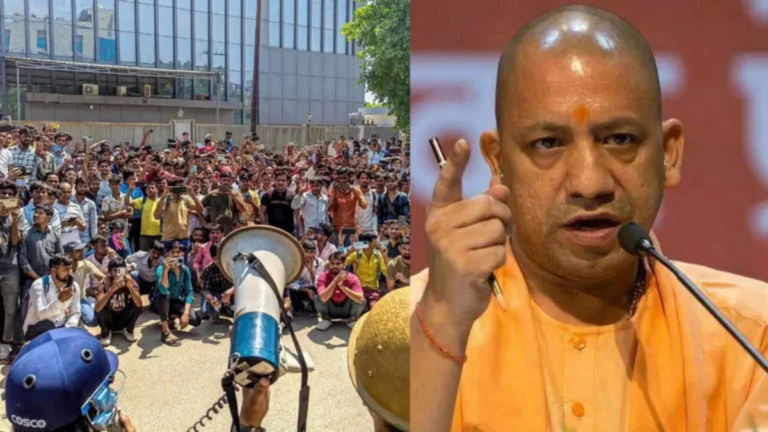
The Uttar Pradesh government has announced a significant revision in minimum wages for workers across multiple categories, following days of unrest and violent protests in Noida. The revised wage structure, which comes into effect from April 1, is being seen as a direct response to growing labour dissatisfaction and demands for better pay and working conditions.
The decision was confirmed by Gautam Buddh Nagar District Magistrate Medha Roopam, who stated that the revised wages were finalised by a high-level committee and approved by Chief Minister Yogi Adityanath late Monday night. Officials described the move as a “balanced and practical” solution aimed at addressing concerns raised by both workers and employers.
Revised Wage Structure Across Regions
Under the new wage policy, unskilled workers in key industrial districts such as Gautam Buddh Nagar and Ghaziabad will now receive a monthly salary of Rs 13,690, marking a notable increase from the previous Rs 11,313. Semi-skilled workers in these areas will earn Rs 15,059 per month, while skilled workers will receive Rs 16,868.
In other municipal corporation areas across the state, the revised monthly wages have been set at Rs 13,006 for unskilled workers, Rs 14,306 for semi-skilled workers, and Rs 16,025 for skilled workers. Meanwhile, workers in the remaining districts of Uttar Pradesh will also see an increase, with unskilled labourers earning Rs 12,356 per month, semi-skilled workers Rs 13,591, and skilled workers Rs 15,224.
The government has emphasized that the revised structure takes into account regional economic variations, cost of living, and industrial conditions. Officials noted that extensive consultations were held with labour unions, industry representatives, and employers’ associations before finalizing the new rates.
Background: Protests in Noida
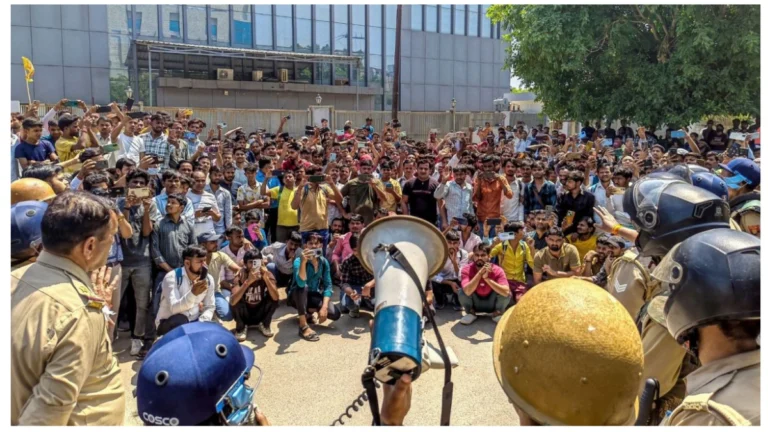
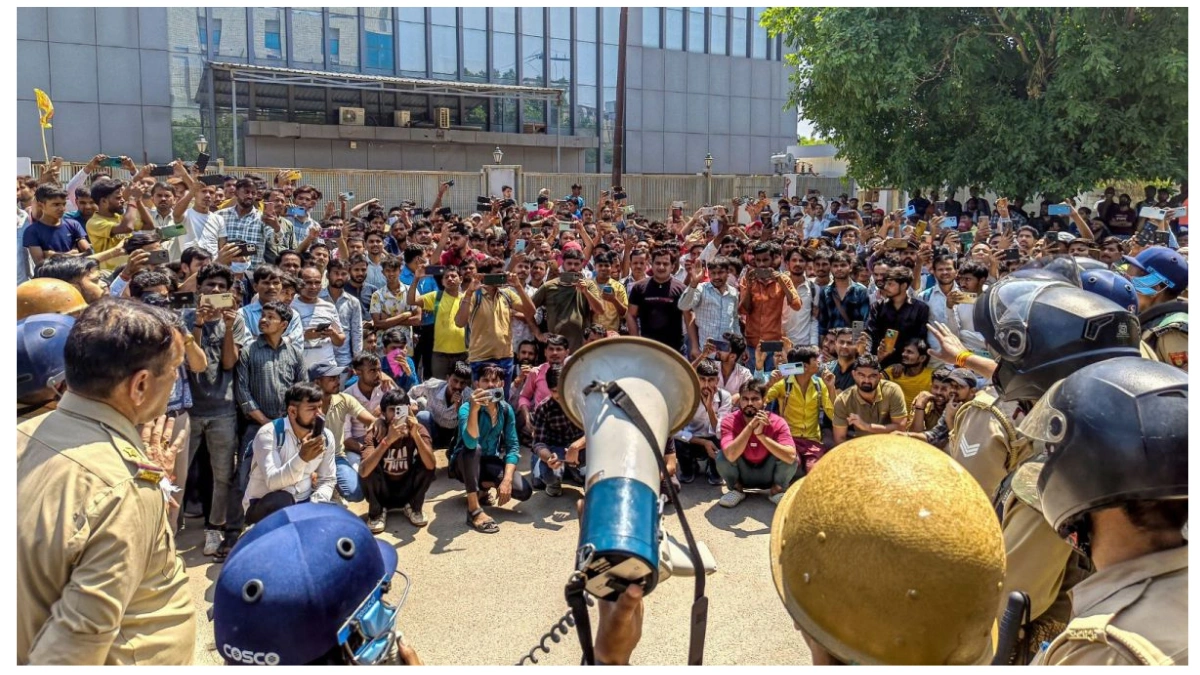
The wage revision comes in the aftermath of large-scale protests that erupted in Noida’s industrial areas. Thousands of factory workers had taken to the streets, voicing concerns over low wages, rising living costs, and challenging working conditions. The demonstrations quickly escalated, with several incidents of violence reported in parts of the city.
Authorities were compelled to deploy security forces to restore order, and negotiations were initiated between workers, employers, and government representatives. The unrest highlighted the growing gap between wages and the cost of living in rapidly urbanizing industrial hubs like Noida.
Workers had been demanding not just higher salaries but also better job security, timely payments, and improved workplace safety. The protests served as a wake-up call for the administration, prompting swift action to prevent further escalation.
Government’s Response and Strategy
The state government’s decision to revise wages is being viewed as an attempt to strike a balance between economic sustainability and workers’ welfare. By engaging with multiple stakeholders, the administration sought to ensure that the new wage structure is both fair to workers and manageable for industries.
Officials believe that the increase will help improve living standards for thousands of workers while also reducing the likelihood of further unrest. At the same time, they have assured industries that the revised wages are designed to avoid placing excessive financial burden on businesses.
The move also reflects a broader trend of states revisiting labour policies in response to changing economic realities. With inflation and urban living costs rising, minimum wage revisions are increasingly becoming a critical policy tool for maintaining social stability.
Impact on Workers and Industry
For workers, the revised wages are expected to bring some relief, particularly in high-cost areas like Noida and Ghaziabad. The increase could help them better manage daily expenses, including housing, food, and transportation.
However, some labour groups argue that while the hike is a step in the right direction, it may still fall short of meeting actual living costs in major industrial regions. They have called for regular revisions and stronger enforcement mechanisms to ensure compliance by employers.
On the industry side, businesses will need to adjust to the new wage structure, which could impact operational costs, especially for labour-intensive sectors. Some industry representatives have expressed concerns about maintaining competitiveness, while others have welcomed the clarity and uniformity provided by the revised rates.
Looking Ahead
The Uttar Pradesh government’s decision marks a crucial intervention in a sensitive situation, demonstrating the importance of timely policy responses to labour issues. While the immediate crisis in Noida appears to have been addressed, the long-term success of the wage revision will depend on effective implementation and continued dialogue between all stakeholders.
As industrial growth continues to accelerate in regions like Noida and Ghaziabad, ensuring fair wages and stable working conditions will remain a key challenge for policymakers. The recent developments underscore the need for proactive measures to balance economic growth with social equity.
About the Author