Mohsin Naqvi
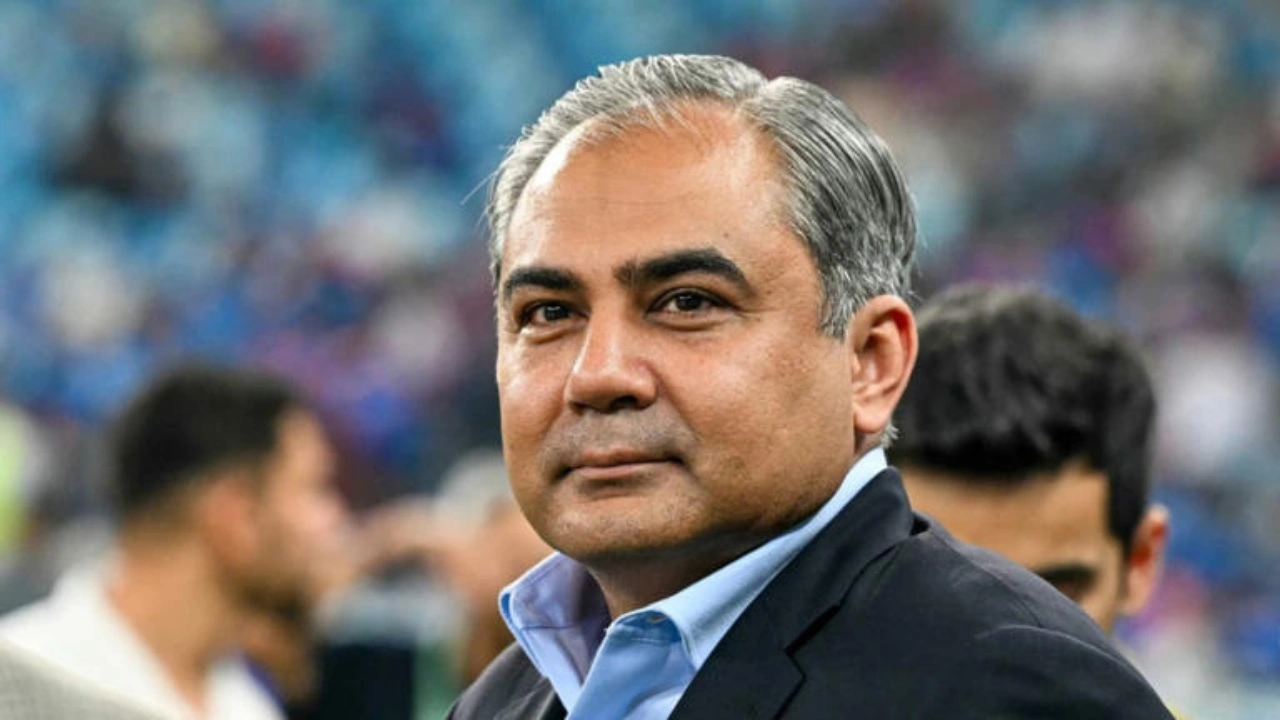
The ongoing clash between two of the world’s biggest T20 leagues has once again sparked controversy, as Pakistan Cricket Board (PCB) chairman Mohsin Naqvi finally addressed the growing trend of players leaving the Pakistan Super League (PSL) to participate in the Indian Premier League (IPL). His remarks come shortly after Sri Lankan all-rounder Dasun Shanaka made headlines for switching leagues mid-season.
Shanaka, who was part of the Lahore Qalandars squad in the PSL, opted to leave the tournament and join the Rajasthan Royals in the IPL 2026 season. He was brought in as a replacement for the injured Sam Curran, a key player for the franchise. While mid-season replacements are not unusual in franchise cricket, Shanaka’s abrupt exit has intensified the debate around player commitments, especially with both leagues running simultaneously for the second consecutive year.
This development has not gone down well with the PCB. Speaking on the issue, Mohsin Naqvi made it clear that the board will not take such withdrawals lightly. He emphasized that players who leave the PSL without proper justification could face disciplinary action in accordance with league regulations. His statement reflects the board’s growing concern over maintaining the integrity and competitiveness of the PSL amid stiff competition from the IPL.
Interestingly, Shanaka is not the only player to have made such a move. The PSL has faced multiple setbacks this season, with several international players either withdrawing or shifting to IPL franchises. Zimbabwean fast bowler Blessing Muzarabani is another notable example. Initially signed by Islamabad United, Muzarabani exited the PSL after being picked up by the Kolkata Knight Riders as a replacement for Bangladesh pacer Mustafizur Rahman.
These back-to-back withdrawals have raised serious questions about scheduling conflicts and player priorities. While the IPL continues to attract global attention due to its financial strength and massive viewership, the PSL has been striving to maintain its own identity and appeal among players and fans.
Naqvi, however, downplayed the notion that competing with the IPL is the primary issue. According to him, the PSL continues to attract top-quality talent, even if some players choose to leave. He stated that the board had no choice but to proceed with the scheduled dates, as finding an alternative window in the crowded international cricket calendar is nearly impossible.
The PCB chief also referred to a similar situation from the previous year, indicating that disciplinary actions have precedent. One such case involved South African cricketer Corbin Bosch, who switched leagues at the last moment to join the Mumbai Indians. As a result, Bosch was handed a one-year ban from participating in the PSL, sending a strong message to other players.
Apart from Shanaka and Muzarabani, a number of other players have also opted out of the PSL this season. Names like Gudakesh Motie, Jake Fraser-McGurk, Ottneil Baartman, and Spencer Johnson have been among those who withdrew, citing personal reasons. While their departures may not all be directly linked to the IPL, they have nonetheless contributed to the disruption of team combinations within the PSL.
The situation highlights a broader challenge in modern franchise cricket — balancing overlapping leagues while ensuring player availability and commitment. With multiple T20 tournaments across the globe, players are often faced with difficult choices, weighing financial benefits, career opportunities, and international commitments.
The PSL 2026 is scheduled to kick off on March 26, just two days before the start of the IPL season. This overlap has once again created a scheduling dilemma that both boards have struggled to resolve. While fans eagerly anticipate high-quality cricket from both leagues, administrators face the ongoing challenge of retaining top talent.
As the situation unfolds, all eyes will be on how strictly the PCB enforces its rules and whether its stance will deter future withdrawals. At the same time, the IPL’s dominance in the global T20 landscape continues to influence player decisions, making this rivalry between leagues an ongoing narrative in the world of cricket.
About the Author