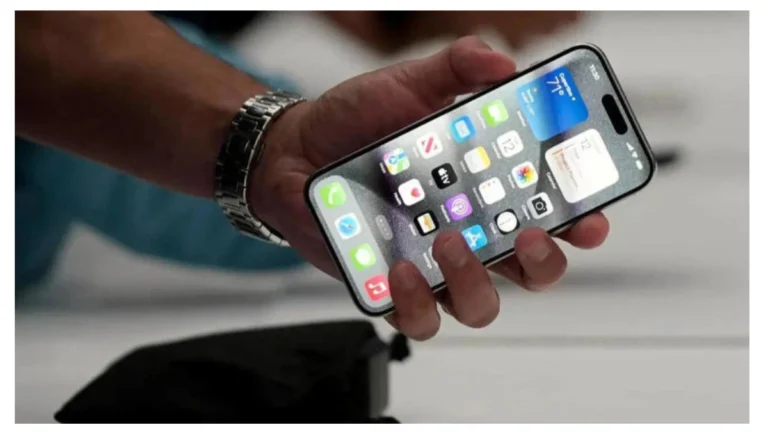
In today’s world, smartphones have become an essential part of our daily lives. We use them for calls, messages, entertainment, and the internet—but very few people realize that these compact devices also contain a variety of valuable metals. A smartphone isn’t just about software and features; it’s a carefully engineered combination of materials that make it strong, lightweight, and durable.
Which Metals Are Used in a Smartphone’s Body?
When you hold a smartphone, it feels both sturdy and light. This is made possible by the use of specific metals. The outer body of most smartphones is primarily made of aluminum and magnesium. Aluminum provides structural strength, helping the device resist damage from everyday use, while magnesium keeps the phone lightweight, ensuring comfort during prolonged handling.
Additionally, steel is used internally to reinforce the phone’s structure. Small components like screws and support frames rely on steel to enhance durability and maintain the device’s stability over time.
Metals Inside the Circuit and Battery
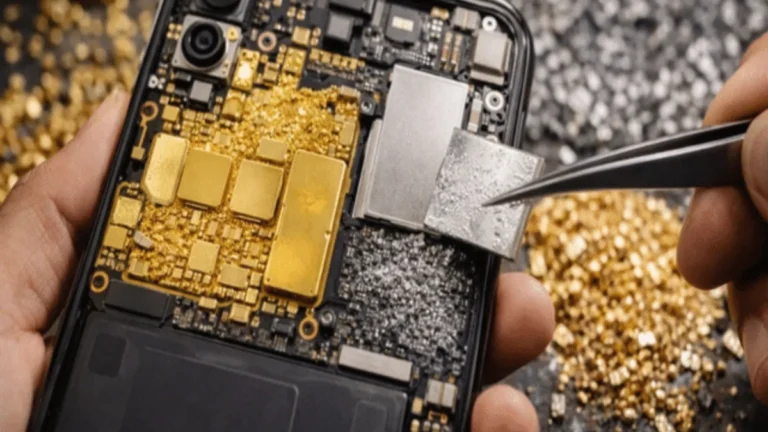
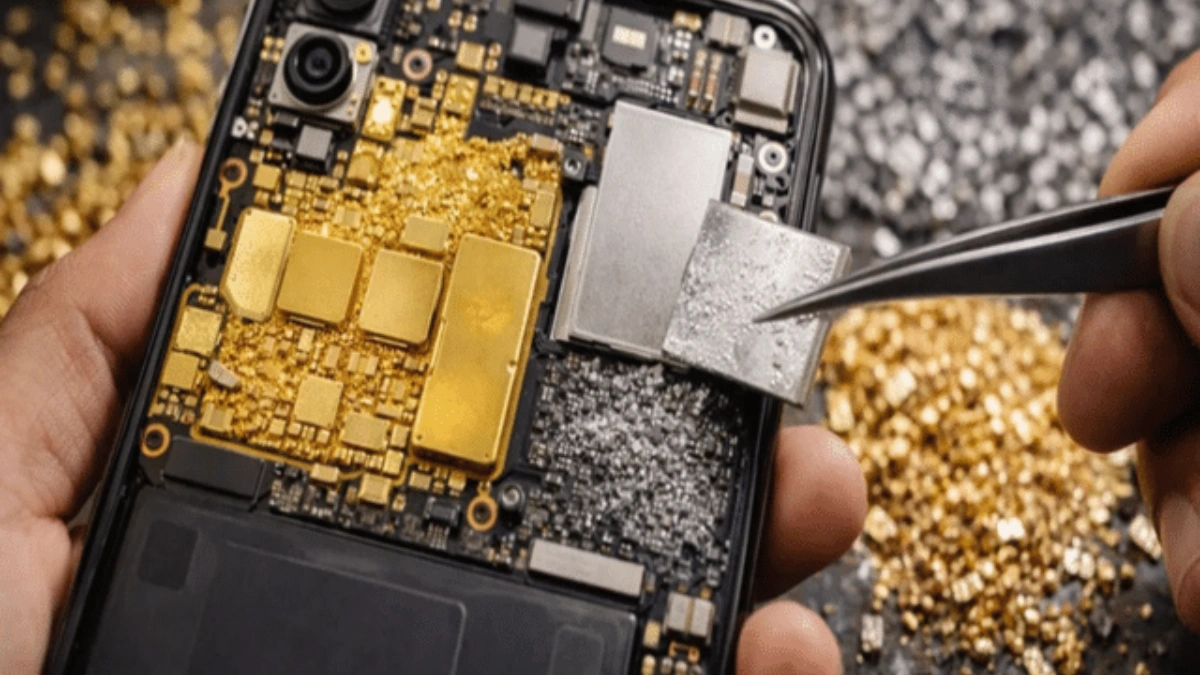
One of the most critical components of a smartphone is its circuit board, also known as the printed circuit board (PCB). Copper is the primary metal used here because it is an excellent conductor of electricity. However, copper isn’t the only material involved.
Thin layers of gold and silver are also applied to the circuit board. Gold is used because it does not corrode easily, ensuring long-term reliability and performance. Silver, on the other hand, enhances electrical conductivity, making the circuits more efficient.
When it comes to the battery, lithium plays a key role. Most smartphones use lithium-ion batteries, which are lightweight and capable of storing a large amount of energy. This allows devices to run longer on a single charge.
Metals in the Speaker and Vibration Motor
Have you ever wondered how such a small speaker can produce clear and powerful sound? The answer lies in a metal called neodymium. This material is used to create strong magnets, which are essential for both the speaker and the vibration motor.
Neodymium magnets are compact yet powerful, enabling better sound quality and more effective vibration feedback in smartphones.
Why Smartphones Are a ‘Metal Treasure’
If you look closely, a smartphone contains a wide range of metals—aluminum, magnesium, steel, copper, gold, silver, lithium, and neodymium. Some of these, especially gold and silver, are highly valuable.
This is why recycling old or damaged smartphones is so important. Through proper e-waste management, these precious metals can be recovered and reused. Many companies are now focusing on sustainable practices to reduce environmental impact and make better use of these limited resources.
A smartphone is more than just a gadget—it’s a sophisticated blend of advanced technology and valuable materials. The next time you pick up your phone, remember that it contains not only cutting-edge features but also a hidden treasure of rare and precious metals that make it smart, strong, and efficient.
About the Author