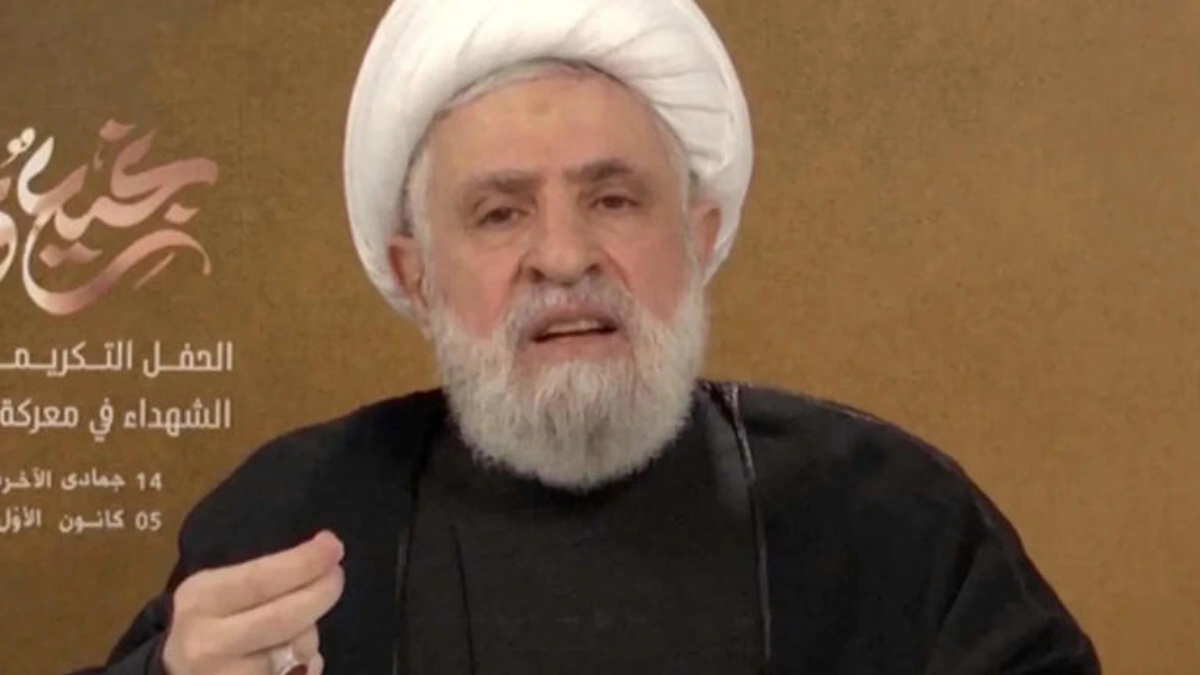
Naim Qassem
In a major escalation of the ongoing Middle East conflict, Israel has claimed that it eliminated Naim Qassem, the chief of the Iran-backed militant group Hezbollah, during an overnight airstrike in Beirut. The announcement, made by the Israeli military on Thursday, marks a potentially significant turning point in the intensifying confrontation involving Israel, Iran, and their regional allies.
According to Israeli defense officials, the targeted strike hit a key location in Beirut where Qassem was believed to be present. While Hezbollah has yet to officially confirm his death, the claim—if verified—would represent a severe blow not only to the organization but also to Iran, which considers Hezbollah one of its most crucial strategic partners in the region.
The killing comes amid a broader war that began earlier this year, drawing multiple actors into direct and indirect conflict. Hezbollah formally entered the war on March 2, aligning itself with Iran against Israel. This move came just two days after the United States and Israel launched coordinated airstrikes on Iranian targets, dramatically escalating tensions across the Middle East.
The situation worsened further following the reported killing of Iran’s Supreme Leader Ali Khamenei on the first day of the war. In response, Hezbollah intensified its military operations against Israel, prompting a strong and sustained Israeli retaliation. Since then, Israeli airstrikes have reportedly killed over a thousand people, significantly weakening Hezbollah’s operational capabilities.
Israel has been systematically targeting Hezbollah’s leadership and infrastructure for months. The campaign gained momentum after the outbreak of the Gaza conflict on October 7, 2023, when Hezbollah began launching attacks along Israel’s northern border in support of Hamas. Since then, Israel has conducted a series of precision strikes aimed at dismantling the group’s command structure.
Notably, this is not the first time Israel has targeted Hezbollah’s top leadership. In 2024, it killed longtime leader Hassan Nasrallah in an airstrike on a Beirut suburb. Nasrallah’s death marked a critical moment in the conflict, and Qassem, a senior figure within the organization for over three decades, was appointed as his successor shortly afterward.
Despite a U.S.-brokered ceasefire between Israel and Lebanon in 2024, hostilities never fully subsided. Israel has continued to carry out periodic strikes against what it describes as Hezbollah positions in لبنان, accusing the group of attempting to rebuild and rearm. Hezbollah, on the other hand, rejected international proposals to disarm, maintaining that its military strength is essential for resisting Israeli aggression.
In recent months, Qassem had taken a more aggressive stance, warning Israel of severe consequences if it expanded its military operations in Lebanon. He had openly threatened missile attacks deep into Israeli territory, signaling Hezbollah’s readiness to escalate the conflict further.
Hezbollah itself has a long and complex history. Formed in 1982 during the Lebanese Civil War, the group emerged with backing from Iran’s Revolutionary Guards. Its original objective was to resist Israeli occupation in southern Lebanon. Over the decades, it has evolved into a powerful political and military force, wielding significant influence within Lebanon and across the region.
The reported killing of Qassem raises critical questions about the future of Hezbollah and the broader regional balance of power. Leadership losses can disrupt command structures, but they can also lead to more radical elements gaining control, potentially intensifying the conflict.
Meanwhile, global attention remains focused on whether Hezbollah will confirm Qassem’s death and how it might respond. Retaliatory strikes, further escalation, or a renewed push for ceasefire negotiations are all possible scenarios in the days ahead.
As the situation unfolds, the Middle East stands at a precarious crossroads. The elimination of a key figure like Naim Qassem could either weaken Hezbollah significantly or trigger a new phase of conflict with far-reaching consequences for regional stability.
About the Author