Pakistan
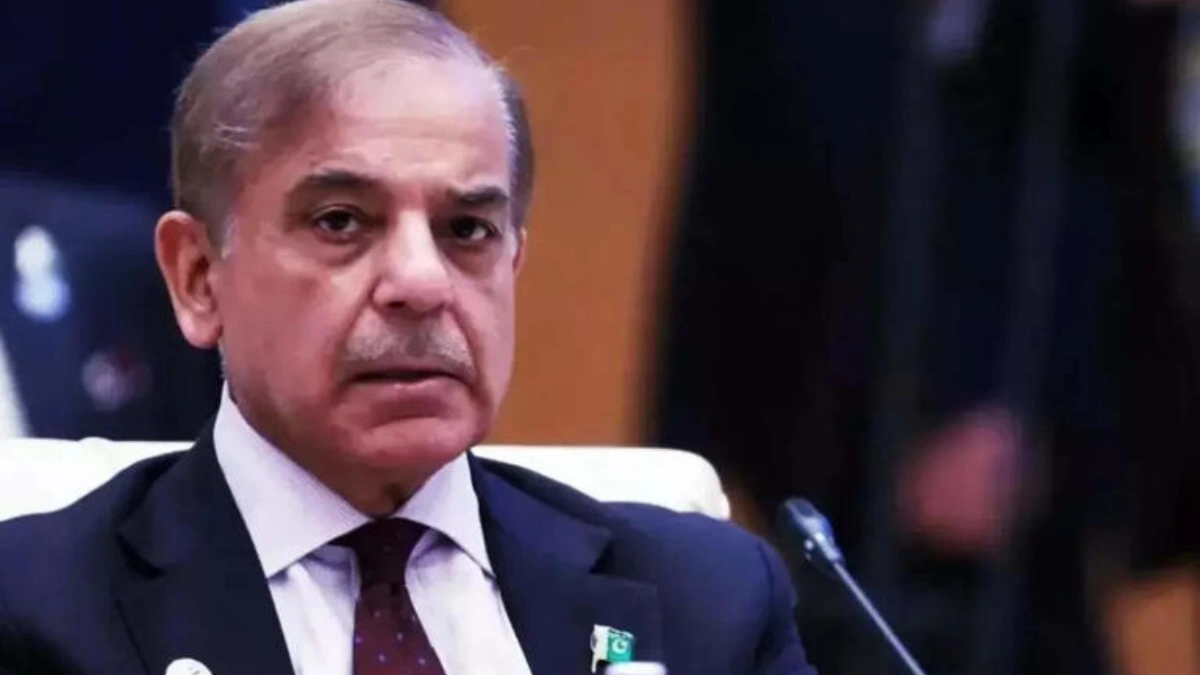
Pakistan’s recent role as a key intermediary between the United States and Iran marks a significant shift in its global diplomatic standing. Acting as a backchannel facilitator, Islamabad played a central role in securing a temporary two-week truce between the two adversaries—an achievement many see as its most notable diplomatic resurgence since the post-9/11 period.
Once viewed with suspicion due to its alleged links to extremist networks, Pakistan has managed to reposition itself as a strategic player on the global stage. In doing so, it outpaced regional contenders like Turkey, Egypt, and even China to become the principal mediator in a high-stakes geopolitical conflict.
This is not the first time Pakistan has assumed such a role. Historically, it has acted as a bridge between major powers. During the Cold War, it facilitated communication between the US and China, leading to the famous “ping-pong diplomacy” and eventually a landmark meeting between Richard Nixon and Mao Zedong. Pakistan also aligned with the Central Intelligence Agency during the Soviet-Afghan war and later supported Washington’s efforts in the global war on terror.
Geography has once again worked in Pakistan’s favor. Sharing a nearly 900-kilometer border with Iran, it is uniquely positioned to maintain close ties with Tehran. This proximity, combined with mutual trust, was evident when Iran reportedly allowed several of its ships to pass through the strategically critical Strait of Hormuz with Pakistan’s facilitation, even amid heightened tensions.
While India, under Narendra Modi, could have emerged as a neutral mediator due to its balanced relations with global powers, it chose to stay on the sidelines. This decision followed Modi’s diplomatic engagements with Israel just before tensions escalated with Iran, effectively removing New Delhi from the mediation equation.
Pakistan’s renewed relevance has not gone unnoticed in Washington or among Gulf nations. With Donald Trump reportedly taking a favorable view of Islamabad’s efforts, the country now finds itself in a position of influence. However, the real test lies in how it leverages this momentum.
Historically, Pakistan has used its diplomatic engagements to bring attention to the Kashmir issue, often seeking support from allies like China at international forums. It is likely to continue this approach, possibly pushing for concessions such as economic aid, cheaper oil from Gulf nations, and advanced military equipment from the US.
Despite this diplomatic boost, Pakistan still trails far behind India in terms of global influence. India remains a major economic and political force, being the world’s largest democracy, a leading economy, and a key member of global groups like the G20 and BRICS. Nevertheless, Pakistan continues to punch above its weight in foreign policy by capitalizing on its strategic location and alliances.
Experts suggest that Islamabad now faces a crucial choice: whether to convert its mediation success into long-term economic and geopolitical gains or allow this opportunity to fade. Countries like Qatar and the UAE have successfully used mediation diplomacy to strengthen their global standing, offering a model Pakistan could follow.
The durability of the current truce remains uncertain. If Iran retains control over the Strait of Hormuz and introduces transit fees, it could generate massive revenue, especially if sanctions are lifted. Such an outcome might not align with US interests and could shift perceptions of the truce’s success.
Another major concern is Israel’s role. There has been no clear confirmation from Benjamin Netanyahu regarding a halt in military operations. In fact, reports of continued airstrikes in Beirut shortly after the ceasefire announcement highlight the fragility of the agreement. Additionally, Iran’s decentralized military command structure could further complicate enforcement.
Domestically, Pakistan’s leadership may use this diplomatic achievement to consolidate power and address internal political challenges, including the continued detention of former Prime Minister Imran Khan. Critics argue that instead of focusing on economic revival, the establishment may prioritize strengthening its political control.
Ultimately, while Pakistan’s role as a mediator has elevated its global profile, the sustainability of this success depends on both the outcome of the truce and Islamabad’s ability to translate diplomatic gains into tangible progress. The coming weeks will determine whether this moment becomes a turning point—or just another fleeting chapter in its complex foreign policy history.
About the Author