Bushehr Nuclear Plant
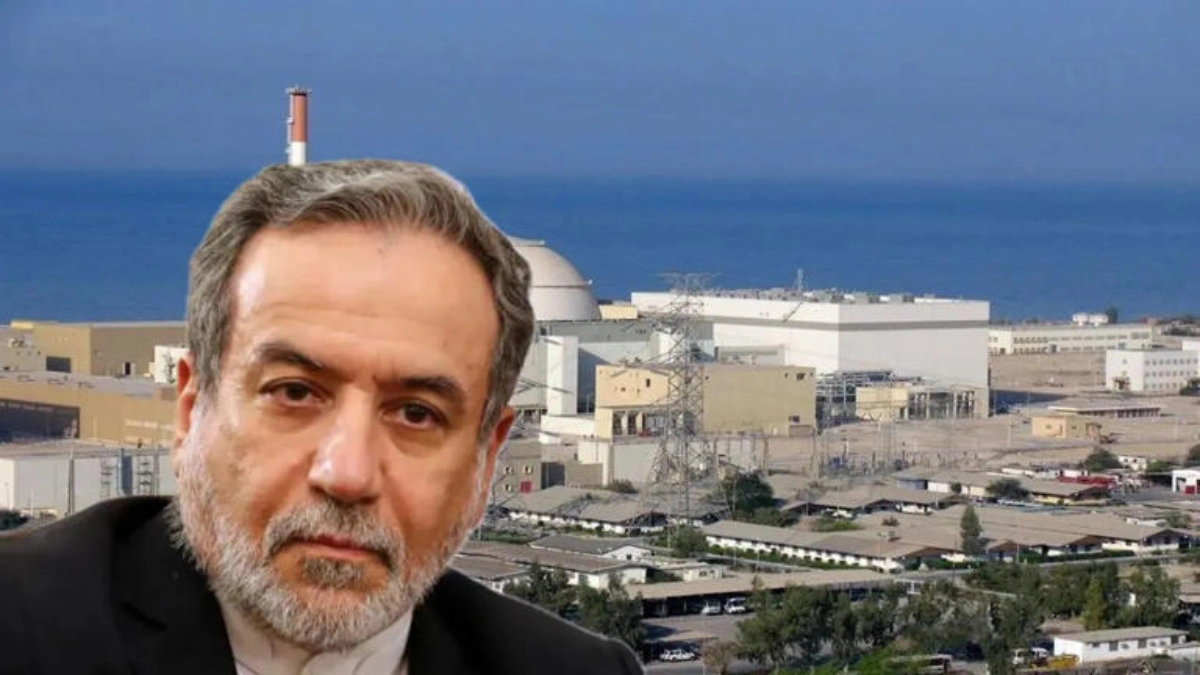
Bushehr Nuclear Plant: Tensions in the Middle East have escalated sharply after Seyed Abbas Araghchi issued a stark warning to Gulf nations, cautioning that radioactive fallout from attacks on Iran’s nuclear facilities could devastate neighboring regions rather than Iran itself. His remarks came after repeated strikes targeted the Bushehr Nuclear Power Plant, raising fears of a potential nuclear hazard in the region.
Addressing countries within the Gulf Cooperation Council (GCC), Araghchi emphasized that any radioactive leakage would have catastrophic consequences for Gulf capitals. He suggested that such fallout would not stop at Iran’s borders, warning that the environmental and human toll could extend across the Persian Gulf region. His statement reflects growing alarm in Tehran over the repeated targeting of nuclear infrastructure.
The Bushehr facility, located roughly 750 kilometers south of Tehran along the Persian Gulf, is Iran’s first commercial nuclear power station. It operates using low-enriched uranium supplied by Russia and generates around 1,000 megawatts of electricity. While primarily designed for civilian energy production, the plant has now become a focal point in the ongoing conflict involving United States and Israel.
According to Iranian media reports, a projectile struck near the perimeter of the facility on Saturday morning, marking the fourth such incident. The strike reportedly damaged an auxiliary building and resulted in the death of a security personnel. However, officials claimed that the main reactor and operational capacity remain unaffected, preventing an immediate crisis. Still, the repeated attacks have heightened concerns about the risk of radioactive material leakage.
Araghchi also criticized Western powers for what he described as selective outrage. He pointed to the global condemnation surrounding the Zaporizhzhia Nuclear Power Plant during the Ukraine conflict, contrasting it with what he sees as relative silence over strikes on Bushehr. His remarks underline Tehran’s frustration with what it perceives as double standards in international responses to nuclear safety threats.
The broader conflict has intensified in recent weeks, with the United States and Israel increasing pressure on Iran’s nuclear infrastructure. Both countries have long accused Iran of advancing a nuclear weapons program, claiming that Tehran has enriched uranium to levels exceeding 60 percent—close to weapons-grade capability. Iran, however, maintains that its nuclear program is strictly for peaceful purposes.
Amid this volatile backdrop, Donald Trump has issued a series of aggressive statements, signaling potential escalation. In a recent message, he warned that U.S. military operations could expand to target Iran’s infrastructure, including bridges and power plants. His remarks suggested that ongoing strikes are only the beginning, further fueling fears of a wider regional conflict.
Trump also addressed reports of a downed U.S. military aircraft, stating that such incidents would not hinder ongoing military actions or diplomatic efforts. He described the situation bluntly as a state of war, reinforcing the seriousness of the confrontation.
Meanwhile, Iran’s military leadership has responded with equally strong rhetoric. A spokesperson for the Khatam al-Anbiya Central Headquarters warned that any further attacks on Iran’s infrastructure would trigger severe retaliation. The warning extended not only to the United States and Israel but also to regional countries hosting American military bases, indicating the possibility of a broader escalation.
As tensions continue to rise, the repeated targeting of nuclear facilities like Bushehr has introduced a dangerous new dimension to the conflict. Beyond military and political consequences, the risk of radioactive fallout now looms large—posing a threat that could impact millions across national borders.
About the Author