West Asia Crisis
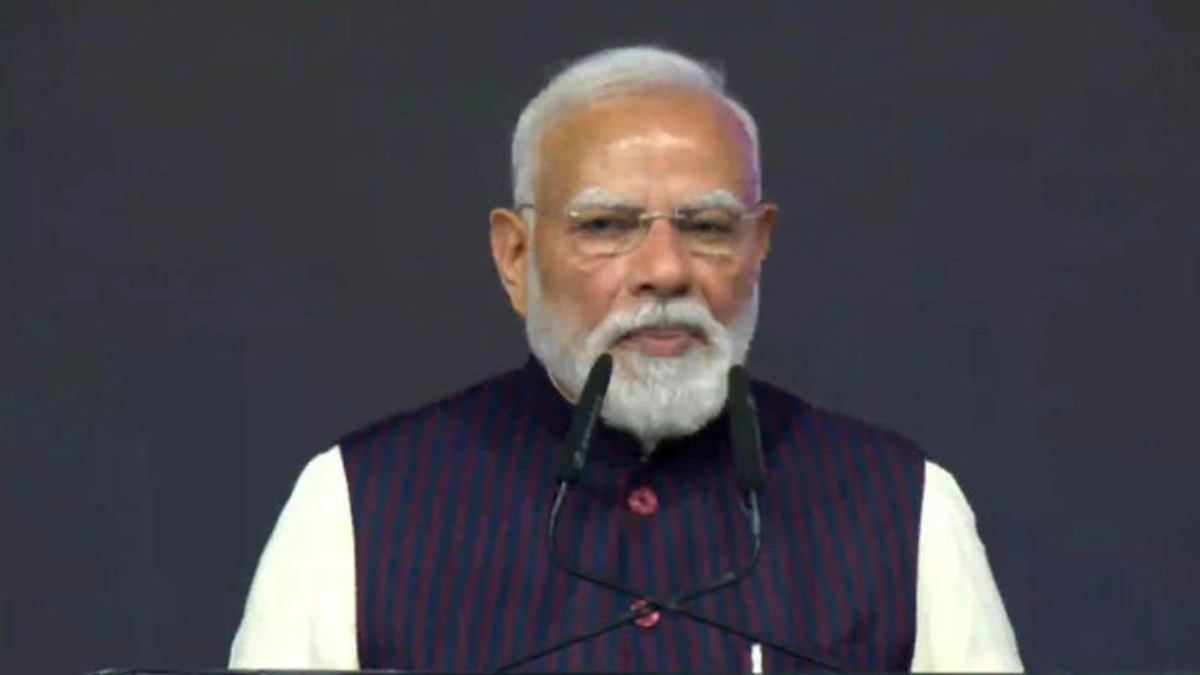
West Asia Crisis: Narendra Modi on Friday held a high-level meeting with chief ministers and lieutenant governors to assess the country’s preparedness in light of the escalating crisis in West Asia. Emphasizing the need for vigilance and coordination, the Prime Minister urged states to remain alert and proactive in maintaining stable supplies and preventing any unnecessary panic among citizens.
During the meeting, Modi described the situation in West Asia as “dynamic” and evolving, underlining the importance of continuous monitoring. He informed participants that the central government has already constituted an inter-ministerial group that reviews developments on a daily basis and takes timely decisions to address emerging challenges. This mechanism, he noted, ensures that the government remains responsive to rapidly changing global conditions.
The Prime Minister outlined several key priorities for both the Centre and states. These include maintaining economic and trade stability, ensuring uninterrupted energy supplies, safeguarding the interests of Indian citizens, and keeping industrial activity and supply chains running smoothly. He stressed that coordinated efforts between different levels of government would be essential in achieving these goals.
A major focus of the discussion was the need to avoid disruptions in supply chains. Modi instructed states to closely monitor the availability of essential goods and take strict action against hoarding and profiteering. He emphasized that any attempt to artificially inflate prices or create shortages must be dealt with firmly. States were also advised to activate control rooms and strengthen administrative preparedness to respond quickly to any emerging issues.
Agriculture preparedness was another critical area highlighted during the meeting. With the Kharif season approaching, the Prime Minister called for careful monitoring of fertiliser availability and distribution. Ensuring that farmers have timely access to necessary inputs, he said, would be crucial for maintaining agricultural productivity and food security.
The Prime Minister also raised concerns about the spread of misinformation and rumours, which could lead to unnecessary panic among the public. He urged state governments to ensure clear, accurate, and timely communication with citizens. By providing reliable information, authorities can help maintain public confidence and prevent disruptions caused by false narratives.
Special attention was directed toward border and coastal states, given their strategic importance in the current scenario. Modi advised these regions to remain particularly vigilant regarding shipping operations, essential supplies, and maritime activities. Strengthening monitoring mechanisms in these areas would help mitigate risks associated with global trade and logistics disruptions.
Drawing on past experience, the Prime Minister pointed out that India had successfully navigated similar challenges during the COVID-19 pandemic. He credited the effective coordination between the Centre and states—often referred to as the “Team India” approach—for ensuring stability during that period. Modi expressed confidence that the same spirit of cooperation would help the country manage the current situation effectively.
Chief ministers who participated in the meeting provided reassuring feedback, stating that the situation on the ground remains stable. They reported adequate availability of essential fuels such as petrol, diesel, and LPG across states. Additionally, they welcomed recent measures taken by the Centre, including reductions in excise duties on fuel and increased allocation of commercial LPG, which have helped ease supply concerns.
The states also reiterated their commitment to working closely with the central government to manage the evolving geopolitical situation. They assured full cooperation in implementing necessary measures to protect citizens’ interests and maintain economic stability.
As global tensions in West Asia continue to pose potential risks to energy supplies and international trade, the meeting underscored the importance of preparedness, coordination, and clear communication. With both the Centre and states aligned in their approach, India aims to navigate the uncertainties while ensuring that essential supplies remain uninterrupted and prices stay under control.
About the Author