Ravindra Kaushik
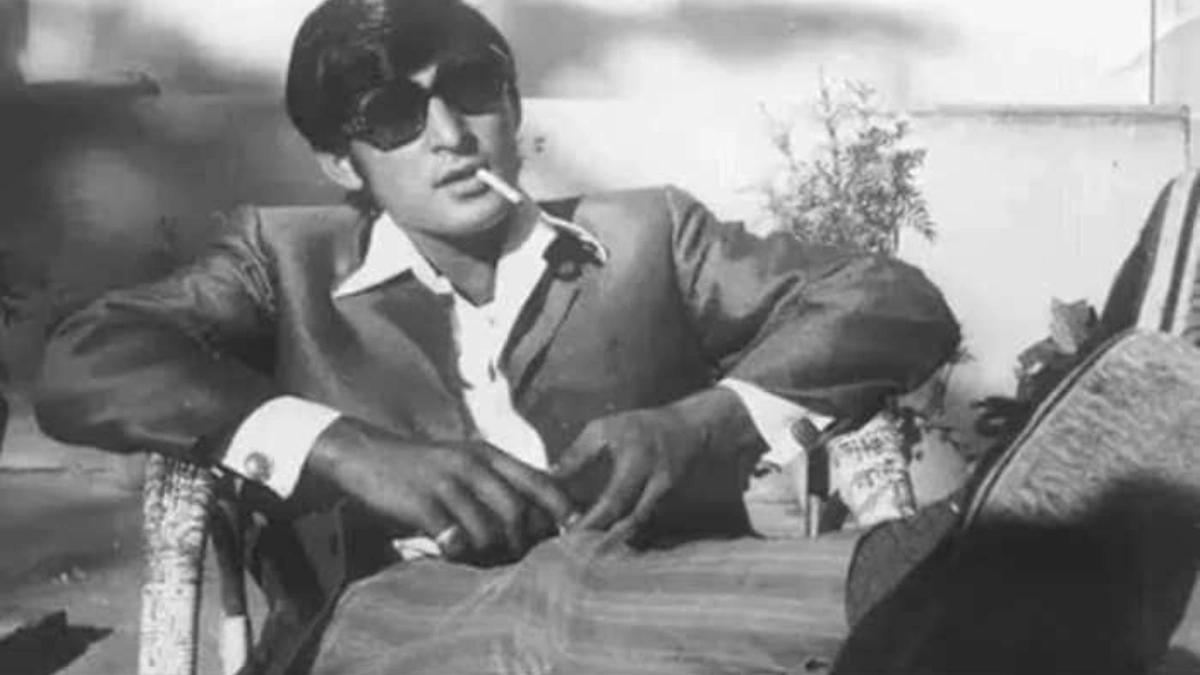
Long before fictional spy dramas captured public imagination, India had a real-life intelligence operative whose story sounds almost unbelievable. Ravindra Kaushik, famously known as the “Black Tiger” of Research and Analysis Wing, carried out one of the most daring undercover missions in Indian intelligence history. For years, he lived inside Pakistan under a fabricated identity, successfully infiltrating the system and sending critical information back to India.
Early Life and Roots in Rajasthan
Ravindra Kaushik was born on April 11, 1952, in Sri Ganganagar, a town located near the India-Pakistan border. Growing up in this region exposed him to multiple languages, including Punjabi and regional dialects, which later became crucial assets in his intelligence work.
As a student, Kaushik pursued a degree in Commerce at SD Bihani College in Ganganagar. However, academics were not his only interest. He developed a strong passion for theatre and actively participated in stage performances. His natural flair for acting and ability to convincingly portray different characters set him apart early on—skills that would eventually shape his extraordinary career.
The Turning Point: Discovery by Intelligence Officials
In 1973, Kaushik took part in a national-level drama competition held in Lucknow. During the event, he delivered a solo performance portraying an Indian soldier being interrogated. His gripping act caught the attention of officials connected to R&AW, India’s external intelligence agency.
Impressed by his ability to stay in character and display emotional depth, the agency approached him soon after. What followed was a life-changing decision—Kaushik agreed to join the intelligence service, stepping into a world of secrecy and risk that would define his legacy.
Intensive Training for a Double Life
After being recruited, Kaushik underwent rigorous training in New Delhi. The preparation was far more complex than standard military training. It involved building an entirely new identity from scratch.
He studied Islam in detail, learned the nuances of Pakistani Urdu, and familiarised himself with the country’s culture, traditions, and geography. Every aspect of his personality—speech, habits, and behavior—was carefully reshaped to ensure he could blend seamlessly into Pakistani society.
This wasn’t just training; it was a complete transformation. The objective was clear: he had to live as someone else without raising suspicion, even under scrutiny.
Crossing Borders Under a New Identity
In 1975, at just 23 years old, Ravindra Kaushik entered Pakistan under the assumed name Nabi Ahmed Shakir. Unlike many covert missions that are short-term, his assignment required him to build a long-term life in a foreign country.
He enrolled at Karachi University, where he pursued a degree in law. During this time, he carefully integrated into society, forming relationships and establishing credibility. Over the years, his cover identity became so convincing that he was able to move deeper into influential circles.
Rising Through the Ranks in Pakistan Army
In a remarkable turn of events, Kaushik managed to join the Pakistan Army. Not only did he gain entry, but he also rose through the ranks to become a major—an achievement that underscores the depth of his infiltration.
From this position, he had access to highly sensitive information. Between 1979 and 1983, he reportedly relayed critical intelligence back to India. This included details about troop movements in Punjab and information linked to Pakistan’s nuclear facility at Kahuta.
His ability to operate undetected while maintaining communication with Indian intelligence made him one of the most valuable assets for R&AW during that period. The risks were immense, but so was the impact of the intelligence he provided.
A Legacy Beyond Fiction
Ravindra Kaushik’s story stands as a reminder that some of the most extraordinary espionage missions are not fictional but real. At a time when intelligence work rarely made headlines, his contributions quietly shaped strategic decisions behind the scenes.
Often overshadowed by cinematic portrayals of spies, Kaushik’s journey reflects the courage, discipline, and sacrifice required in real-world espionage. His life continues to inspire discussions about the unsung heroes who operate in silence, far from public recognition.
About the Author