US-Iran Talks Fail in Pakistan
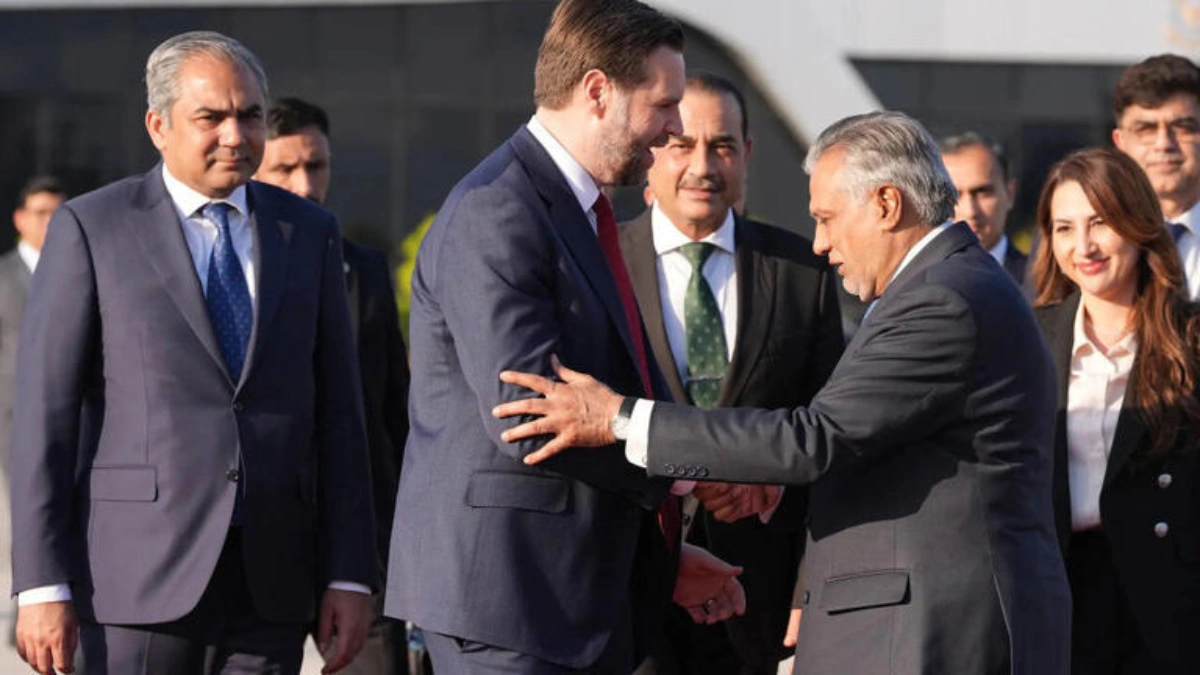
US-Iran Talks Fail in Pakistan: Negotiations between the United States and Iran, held in Pakistan and led by JD Vance, concluded early Sunday without reaching any formal agreement, highlighting the deep divisions that continue to define relations between the two nations. The high-level diplomatic engagement, which lasted nearly 21 hours, was aimed at de-escalating rising tensions and securing a ceasefire amid an increasingly volatile regional situation.
According to officials, the talks broke down after Iran rejected key US proposals focused on curbing its nuclear ambitions. The United States has consistently maintained that any long-term peace arrangement must include a firm commitment from Iran to halt the development of nuclear weapons. However, the Iranian delegation, led by Mohammad Bagher Qalibaf, refused to accept these terms, resulting in a diplomatic deadlock.
Throughout the negotiations, Vice President Vance remained in close contact with Donald Trump and senior members of the US administration, underscoring the importance Washington attached to the outcome of these discussions. The talks were seen as a critical opportunity to stabilize the region, especially in light of ongoing military tensions involving Israel and Iran-backed groups like Hezbollah in Lebanon.
Ceasefire Efforts Face Roadblocks
A central objective of the talks was to solidify a ceasefire that had been tentatively agreed upon on April 7. This temporary truce was intended to create space for diplomatic negotiations and prevent further escalation. However, conflicting demands and mutual distrust hindered progress.
The US delegation pushed for strict assurances that Iran would abandon any pursuit of nuclear weapons capabilities. Meanwhile, Iran maintained its stance on preserving its strategic and defense interests, making compromise difficult. The absence of consensus on these key issues ultimately derailed hopes for a comprehensive agreement.
Pakistan’s Mediation Role
Pakistan played a crucial role as host and mediator during the negotiations. Ishaq Dar urged both sides to continue honoring the ceasefire despite the lack of a formal deal. He emphasized that maintaining peace and preventing further conflict should remain a shared priority.
Dar also indicated that Pakistan is willing to facilitate future rounds of dialogue, positioning itself as a neutral ground for diplomatic engagement between the US and Iran. His remarks reflected cautious optimism that dialogue channels remain open even after the setback.
Departure and Aftermath
Following the collapse of the talks, Vice President Vance departed Pakistan at approximately 7:08 a.m. local time. Officials accompanying him confirmed that Iran’s refusal to accept US conditions on nuclear development was the primary reason behind the failure to reach an agreement.
The broader conflict, which intensified toward the end of February, has significantly raised global concerns. While the April 7 ceasefire provided temporary relief, the lack of a lasting agreement now puts the region at risk of renewed hostilities.
US Position on Nuclear Commitments
Reiterating Washington’s stance, Vance stressed that any future agreement would hinge on Iran’s willingness to make a clear and verifiable commitment to forgo nuclear weapons. He stated that the United States requires not only assurances but also concrete steps to ensure that Iran does not acquire the capability to rapidly develop such weapons.
The US continues to view nuclear non-proliferation as a cornerstone of regional and global security. Without progress on this front, officials suggest that further diplomatic efforts may face similar challenges.
What Lies Ahead
Although the talks ended without success, diplomatic channels remain open, and there is still hope for renewed negotiations in the coming weeks. Analysts believe that continued mediation by countries like Pakistan could play a key role in bridging the gap between the two sides.
However, with tensions still high and trust in short supply, achieving a breakthrough will require significant concessions and sustained diplomatic effort. Until then, the fragile ceasefire remains the only buffer preventing further escalation in an already unstable region.
About the Author