Putin
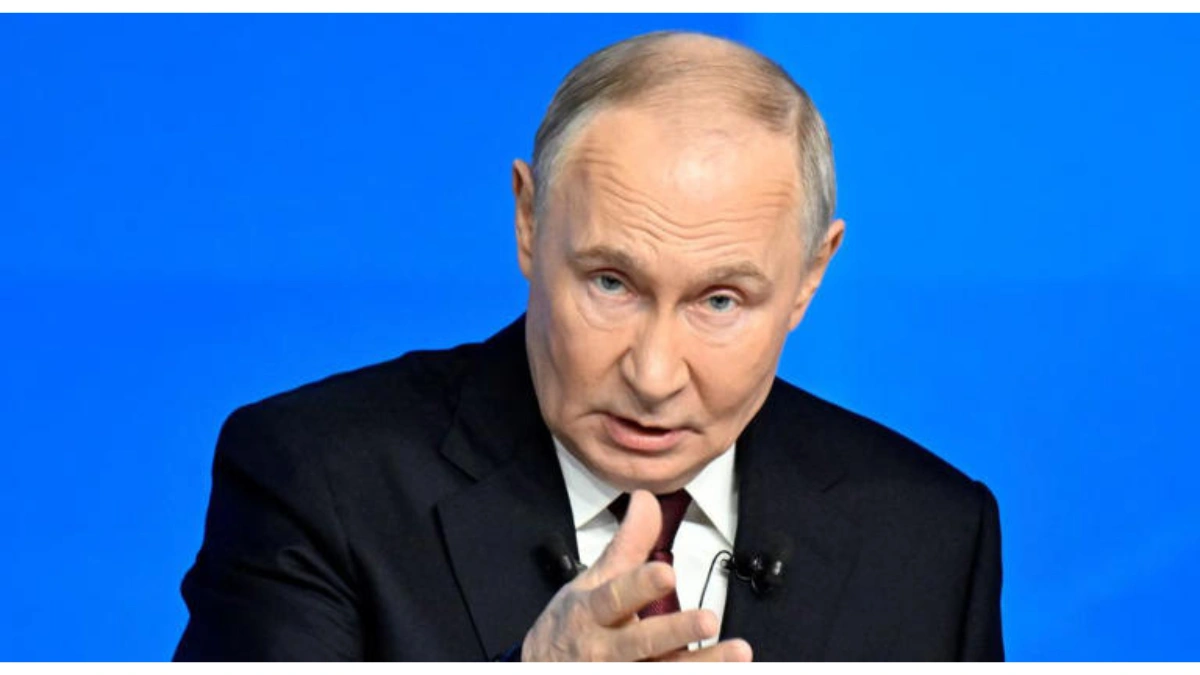
Putin to Mediate Middle East: Amid escalating tensions in the Middle East, Russian President Vladimir Putin has stepped forward with an offer to mediate peace, signaling Moscow’s intent to play a larger diplomatic role in the region. In a recent phone conversation with Iranian President Masoud Pezeshkian, Putin expressed Russia’s readiness to help defuse the crisis and push for meaningful peace talks.
According to reports, the Kremlin emphasized that Russia is willing to support efforts aimed at achieving a political and diplomatic resolution to the ongoing conflict. Putin also reiterated his call for an immediate end to violence, urging all parties involved to prioritize dialogue over military confrontation. The Kremlin’s official statement highlighted Russia’s commitment to facilitating a “just and lasting peace” in the region.
Russia Steps In After Diplomatic Setback
Putin’s mediation offer comes in the wake of unsuccessful negotiations between the United States and Iran held in Islamabad. The high-stakes talks, which lasted over 21 hours, ended without a formal agreement, exposing deep divisions between the two sides.
The US delegation, led by JD Vance, and the Iranian team headed by Mohammad Bagher Ghalibaf, failed to bridge differences on several critical issues. Despite the breakdown, both sides have maintained a temporary ceasefire for two weeks following the talks.
Key Issues Still Unresolved
Major sticking points continue to hinder progress in US-Iran relations. These include Iran’s nuclear program, control over the strategically vital Strait of Hormuz, and Tehran’s ballistic missile capabilities. The inability to find common ground on these matters has not only stalled negotiations but also cast doubt on the possibility of immediate future talks.
US Vice President JD Vance described the outcome as “bad news” for Iran, emphasizing that Washington had clearly outlined its non-negotiable demands. On the other hand, Iranian officials argued that the US failed to build trust, despite what they described as constructive proposals from their side.
Moscow’s Expanding Diplomatic Role
Russia’s latest move reflects a broader strategy to position itself as a key diplomatic player in the Middle East. Over the past months, Putin has maintained active communication with multiple stakeholders, including Gulf nations, in an effort to reduce tensions and prevent further escalation.
The ongoing conflict has raised serious concerns about regional stability and its potential impact on global energy markets. By offering to mediate, Moscow is not only aiming to ease tensions but also to strengthen its influence in a region increasingly shaped by geopolitical rivalries.
Putin’s outreach underscores the urgency of finding a peaceful solution as the situation continues to evolve. While challenges remain significant, Russia’s involvement could open new diplomatic channels and revive stalled negotiations.
What Comes Next?
With the ceasefire still holding temporarily, the focus now shifts to whether fresh dialogue can be initiated with the help of mediators like Russia. However, given the complexity of the issues involved and the lack of trust between key players, any breakthrough will require sustained effort and compromise.
As global attention remains fixed on the Middle East, Putin’s offer introduces a new dimension to the diplomatic landscape—one that could either pave the way for peace or add another layer to an already intricate geopolitical puzzle.
About the Author