
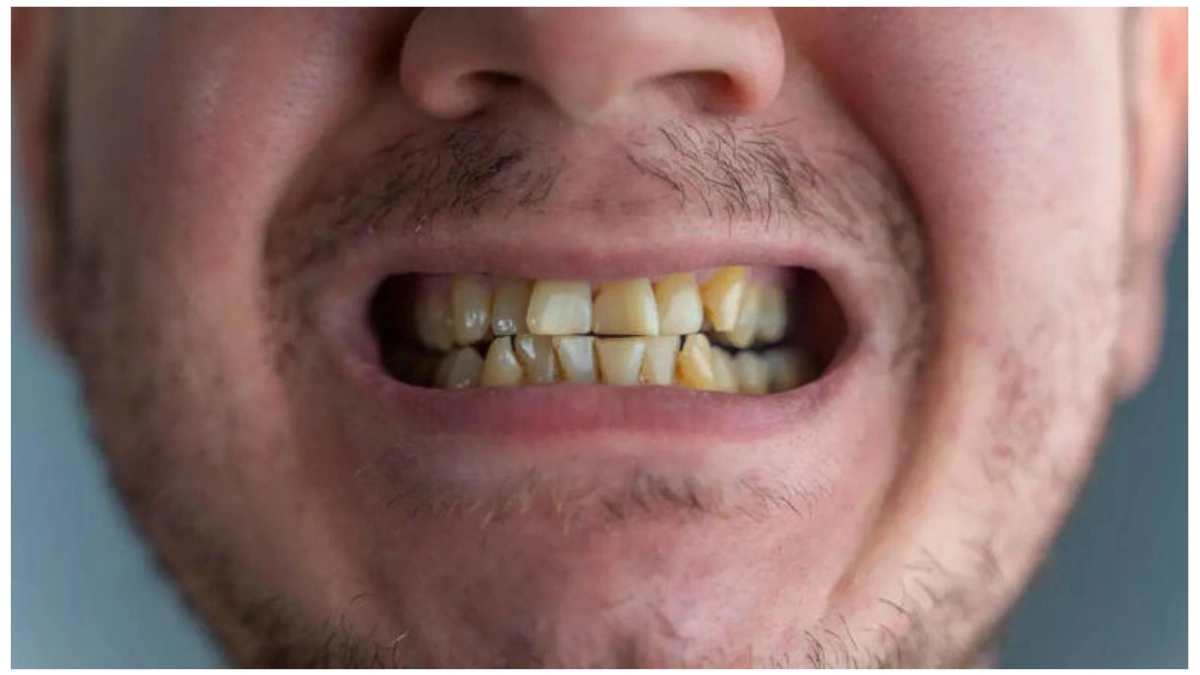
Yellow Teeth Causes
Yellowing of teeth is a common concern that affects people across all age groups. While many assume it is only due to poor hygiene or excessive coffee consumption, the reality is far more complex. The natural colour of teeth is influenced by enamel—the outer protective layer—and dentin underneath, which has a yellowish tone. When enamel becomes thin or damaged, the dentin becomes more visible, leading to discolouration.
A study published in the Journal of Pharmaceutical Research International highlights that tooth discolouration can be broadly divided into extrinsic (external) and intrinsic (internal) causes. Understanding these factors can help individuals take the right steps to maintain a bright and healthy smile.
1. Food and Beverages
One of the most common reasons for yellow teeth is the consumption of dark-coloured foods and drinks. Beverages like coffee, tea, and red wine contain pigments that stick to enamel and cause stains over time. Foods such as berries, soy sauce, tomato-based dishes, turmeric, and chocolate can also contribute to gradual discolouration. Rinsing your mouth or brushing after consuming such items can reduce staining.
2. Tobacco Use
Smoking or chewing tobacco significantly affects tooth colour. The tar and nicotine present in tobacco products penetrate enamel, leaving behind stubborn yellow or brown stains. Avoiding tobacco not only improves dental appearance but also benefits overall health.
3. Ageing
As people age, enamel naturally wears down, exposing more of the yellow dentin beneath. This is a natural process, but maintaining proper oral care and regular dental cleanings can slow down visible discolouration.
4. Genetics
Some people are genetically predisposed to having thinner enamel or naturally darker teeth. Genetics can also influence how resistant your enamel is to stains. While this factor cannot be changed, maintaining good oral hygiene can help minimise its effects.
5. Medical Conditions
Certain inherited or developmental conditions can affect tooth colour. Disorders like porphyria or issues with enamel formation can lead to discolouration. Conditions during early childhood, such as high fever or neonatal jaundice, may also impact tooth development and colour.
6. Poor Oral Hygiene
Neglecting daily dental care allows plaque and tartar to build up on teeth, leading to yellowing. Brushing twice daily, flossing, and using mouthwash are essential to keep teeth clean and prevent stains from setting in.
7. Teeth Grinding (Bruxism)
Grinding your teeth can gradually wear down enamel, exposing the dentin underneath. This not only causes yellowing but can also increase tooth sensitivity. Using a night guard and managing stress can help prevent this issue.
8. Medications and Treatments
Certain medicines and medical treatments can cause tooth discolouration. Antibiotics, inhalers, antiseptics, and treatments like chemotherapy or radiation therapy may lead to staining as a side effect. Consulting a dentist can help manage these changes effectively.
9. Dental Products Misuse
Some oral care products can cause yellowing if used incorrectly. Ingredients like chlorhexidine, excessive fluoride, or improper use of whitening agents can damage enamel or leave stains. Always follow usage instructions or seek professional advice.
10. Tooth Injury or Trauma
Injuries to teeth can lead to internal damage, causing them to change colour over time. Discolouration may appear gradually and can range from yellow to grey. Immediate dental consultation is important after any injury.
How to Prevent Yellow Teeth
Preventing tooth discolouration involves a combination of good habits and awareness. Maintaining proper oral hygiene, limiting staining foods and drinks, avoiding tobacco, and visiting a dentist regularly can make a significant difference. While some factors like ageing and genetics are unavoidable, adopting healthy practices can help preserve a brighter smile.
Disclaimer:
This article is for informational purposes only and should not be considered medical advice. Always consult a qualified healthcare professional or dentist for diagnosis and treatment.
About the Author