Tim Cook
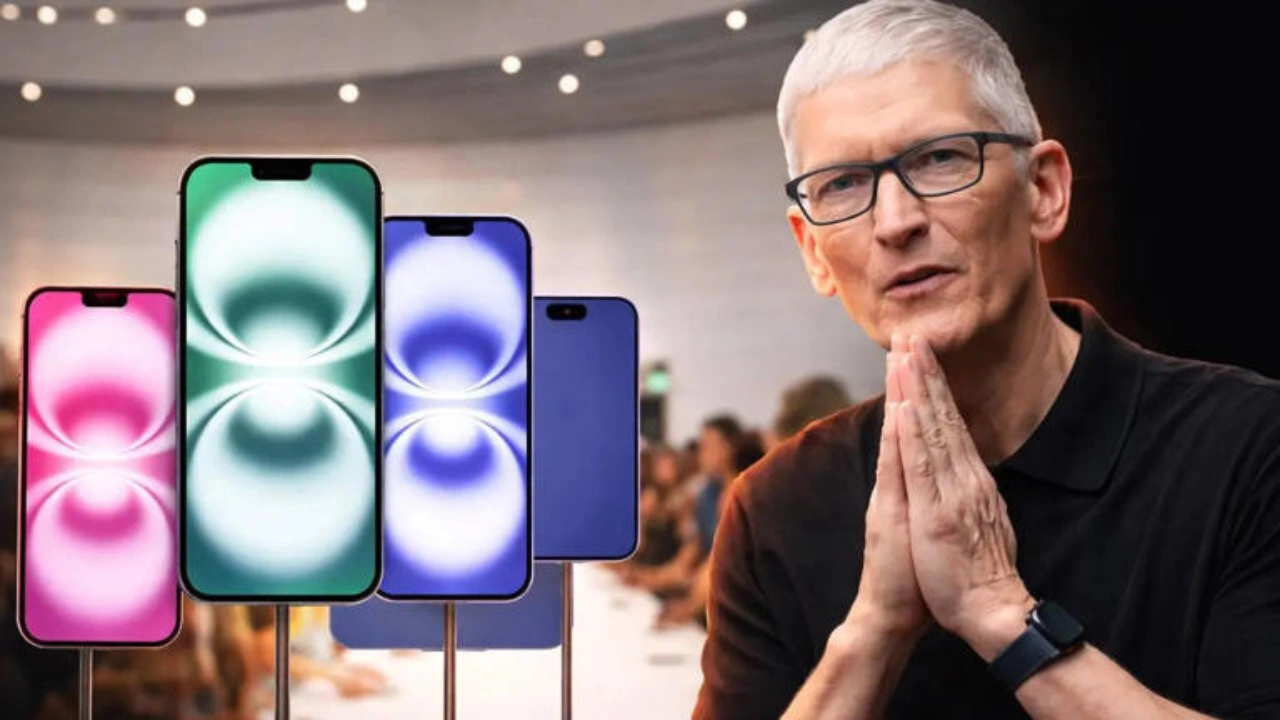
Tim Cook, the chief executive of Apple, has sparked fresh debate around smartphone usage by openly stating that people are spending far too much time on their iPhones. In a candid conversation with Good Morning America, Cook acknowledged the growing issue of excessive screen time and urged users to rethink how they interact with their devices.
At a time when concerns about digital addiction are rising worldwide, Cook’s remarks stand out—especially given that he leads one of the world’s largest smartphone manufacturers. Despite the apparent irony, his message was clear and direct: smartphones should enhance life, not dominate it.
What Tim Cook Said
During the interview, Cook didn’t mince words. He admitted that he does not want people to overuse their iPhones, particularly for activities like endless scrolling on social media. He pointed to “doomscrolling”—a behavior where users continuously consume negative or addictive content—as a major concern fueled by algorithms designed to keep users engaged.
Instead of spending hours glued to screens, Cook encouraged people to focus on real-life interactions. He emphasized the importance of making eye contact, spending time outdoors, and engaging with the world beyond digital devices. His message was simple: technology should serve as a tool, not a distraction from meaningful human experiences.
Scientific Evidence Supports His View
Cook’s concerns are backed by growing scientific research. A study published in Frontiers in Psychiatry found that excessive smartphone usage is linked not only to physical discomfort but also to mental health issues such as anxiety, depression, and loneliness.
In India, the Economic Survey 2025–26 highlighted the impact of heavy smartphone use among children and teenagers. According to the report, overuse is associated with poor sleep quality, reduced attention spans, increased anxiety, and even academic stress.
Similarly, the World Happiness Report has identified high social media consumption as a key factor contributing to declining happiness levels among young people globally. These findings reinforce the idea that digital habits are increasingly affecting mental well-being.
Governments Begin Taking Action
Governments across the world are also stepping in to address the issue. In Spain, authorities recently announced plans to ban social media access for children under 16. Australia has already implemented similar restrictions, becoming one of the first nations to enforce such measures.
In India, regional governments are exploring comparable steps. The state of Karnataka has introduced a ban on social media use for children under 16, while Andhra Pradesh is considering restrictions for those under 13. These moves reflect a growing global consensus that unchecked smartphone use—especially among young users—requires regulation.
A Broader Conversation
Tim Cook’s remarks have added momentum to an already important conversation about technology and its role in everyday life. While smartphones remain essential tools for communication, work, and entertainment, experts increasingly warn against overdependence.
Cook’s message ultimately highlights balance. Rather than rejecting technology, he advocates for mindful usage—encouraging people to reconnect with the physical world, nurture relationships, and prioritize well-being over screen time.
As the debate continues, one thing is clear: even the leaders of the tech industry are recognizing that sometimes, the best thing users can do is simply put their phones down.
About the Author