
LPG Shortage
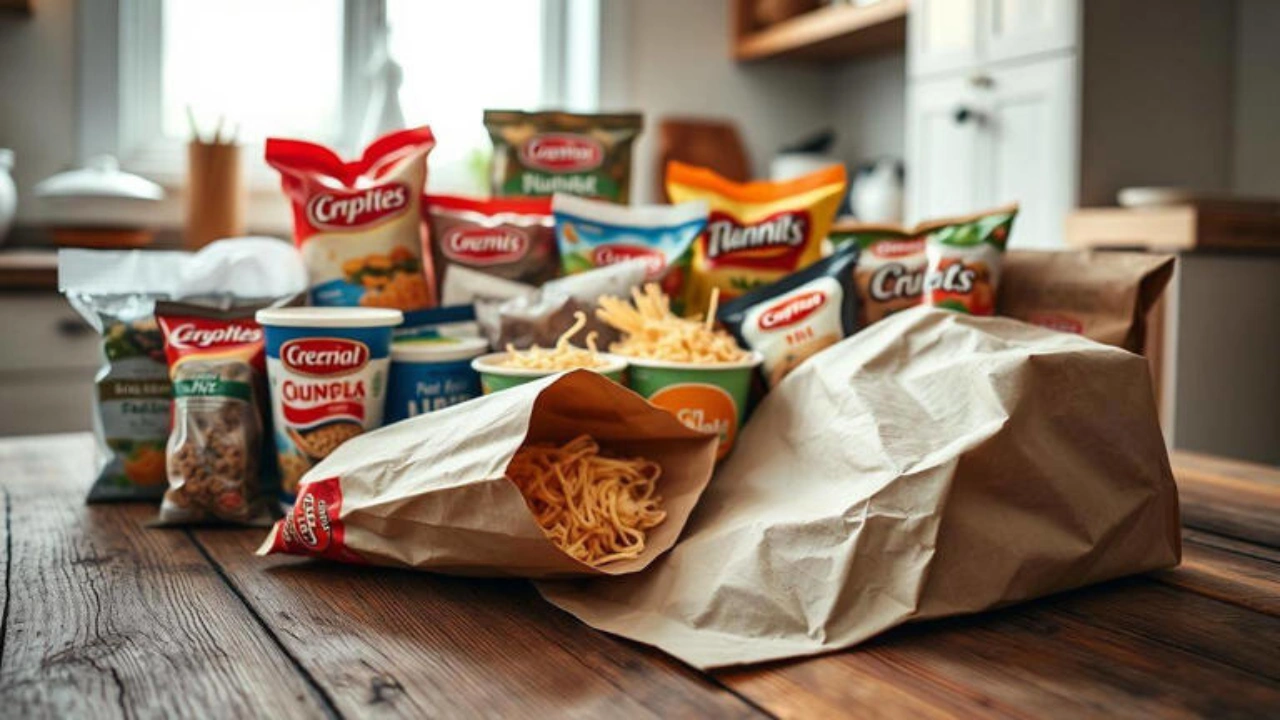
As tensions in the Middle East continue to disrupt global energy supplies, Indian households are beginning to change the way they cook and eat. Fears of a potential liquefied petroleum gas (LPG) shortage have pushed many families to rely on ready-to-cook meals, frozen snacks, and foods that require little or no cooking.
Retailers across the country report a noticeable spike in demand for such products. According to industry estimates, sales in the ready-to-eat and frozen food segments have increased by nearly 20% month-on-month as consumers search for alternatives to traditional gas-based cooking.
Karan Ahuja, spokesperson for premium grocery retailer Le Marche, said categories such as instant noodles, frozen snacks, and ready meals are seeing strong demand. He noted that the segment has already recorded a 10–12% rise in sales. While the surge may be temporary, retailers are increasing inventory to ensure shelves remain stocked during the ongoing supply uncertainty.
The situation intensified last week when the ongoing conflict in the Gulf region disrupted LPG cylinder supplies. The impact has been felt not only by households but also by restaurants, factories, school cafeterias, and corporate canteens that depend heavily on gas for daily cooking operations.
Food brands are also seeing shifting consumer behaviour. Deb Mukherjee, founder of the Asian ready-to-eat food and condiment brand Moi Soi, said their Thai curry ready-to-cook pastes have recorded the highest sales since the brand launched two years ago. According to him, the current crisis could encourage consumers to adopt convenient ready-to-cook options even after gas supplies stabilise.
Companies are already adjusting their strategies to capture this rising demand. Dairy and food major Mother Dairy recently revived promotional campaigns for its frozen vegetable range. Meanwhile, quick commerce platforms such as Swiggy Instamart are highlighting induction-friendly cookware as more households turn to electric cooking appliances.
Packaged food manufacturers are also optimistic about sustained growth. A spokesperson for LT Foods, which produces Daawat ready-to-cook biryani kits and rice mixes, said the company is witnessing strong traction in its ready-to-eat and ready-to-cook categories. If the gas supply situation continues to remain uncertain in the coming weeks, the company expects sales to grow even further.
Market analysts point out that this shift toward convenience foods is not entirely new. The category experienced a significant surge during the COVID-19 pandemic, when lockdowns forced people to stock up on packaged foods. Although growth slowed after restrictions eased, the current LPG disruption could trigger another wave of adoption.
Health-focused products are also benefiting from the trend. According to Ankit Jha, founder and chief marketing officer of nutrition brand Doctor’s Choice, products like protein oats and millet-based muesli are gaining popularity among working professionals and health-conscious consumers.
Despite the Ministry of Petroleum and Natural Gas prioritising domestic LPG distribution since March 5, supply challenges remain in several regions. Some households have reported cylinder price increases of up to 30%, further adding to the pressure.
The shortage has also accelerated demand for electric cooking solutions. Shibashish Roy, managing director at Infiniti Retail, which operates the Croma stores, said demand for induction cooktops has surged sharply in recent days. The company’s daily sales run rate for such appliances has nearly tripled compared to normal levels.
With the energy crisis still unfolding, experts believe Indian households may increasingly embrace convenient, quick-to-prepare foods and alternative cooking methods — a shift that could reshape the country’s food consumption patterns in the months ahead.
About the Author