Middle East Crisis: As tensions continue to escalate in the Middle East, Pakistan’s diplomatic approach has come under the spotlight. While Islamabad has reassured Saudi Arabia of its full support and security cooperation, it is simultaneously maintaining active communication with Iran. This dual engagement has led many analysts to describe Pakistan’s current foreign policy as an attempt to carefully balance relations with both sides during a highly sensitive regional crisis.
The situation in the Middle East has grown increasingly volatile following recent military actions and retaliatory strikes in the region. In this environment, Pakistan appears to be pursuing a strategy aimed at preserving its longstanding alliances while also avoiding deeper regional polarization.
Pakistan Assures Saudi Arabia of Full Support
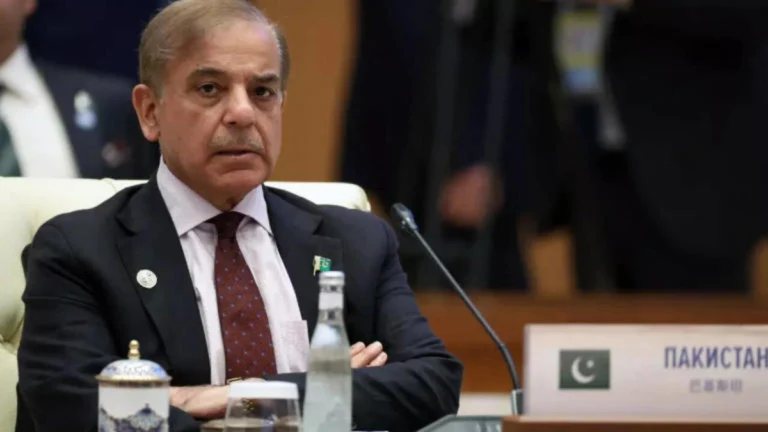
A spokesperson for Pakistan’s Prime Minister Shehbaz Sharif recently stated that Pakistan stands firmly with Saudi Arabia and is prepared to assist the Kingdom if necessary.
The spokesperson emphasized that Pakistan and Saudi Arabia share decades of close political, economic, and strategic ties. According to the statement, the relationship between the two nations has always been built on mutual trust and cooperation, particularly during difficult times.
He also clarified that there should be no doubt about Pakistan’s position when it comes to supporting Saudi Arabia, saying that Islamabad would stand by the Kingdom if the situation demanded it.
Simultaneous Dialogue with Iran
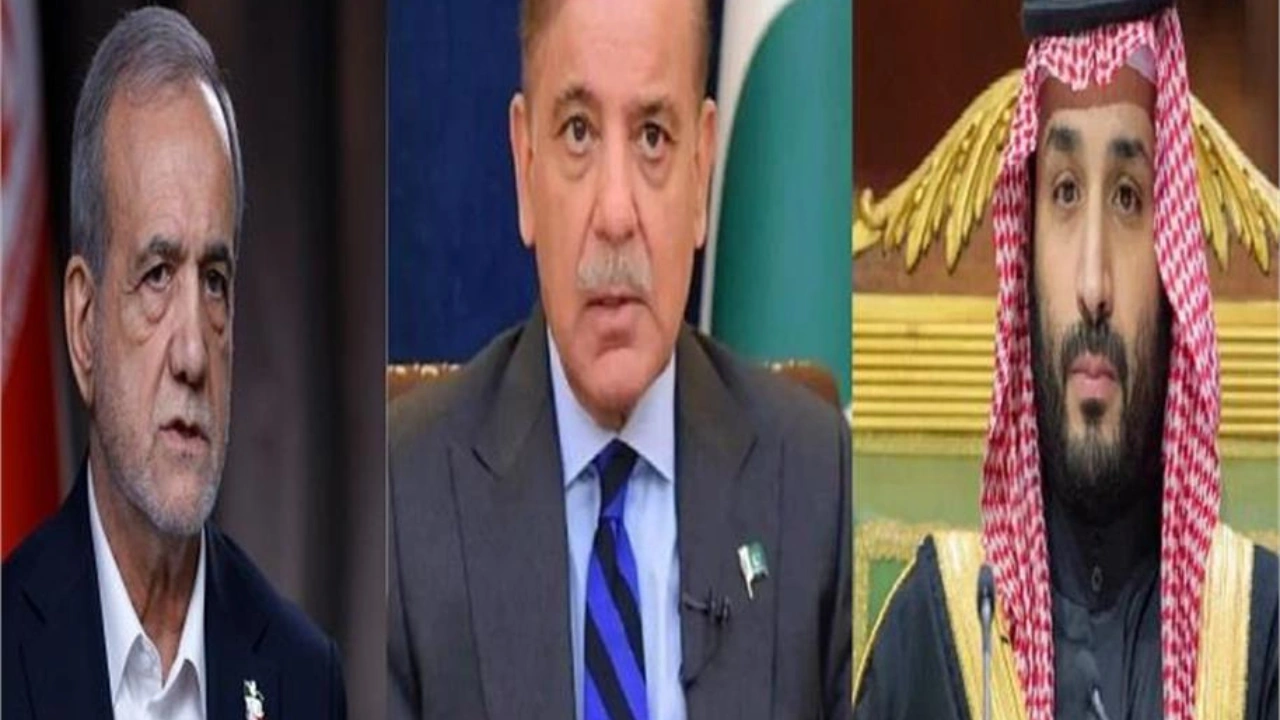
Interestingly, on the same day Prime Minister Shehbaz Sharif held a phone conversation with Masoud Pezeshkian. During the discussion, both leaders expressed concern over the rapidly deteriorating security situation in the Middle East.
Sharif emphasized that Pakistan strongly supports peace, stability, and diplomatic engagement in the region. He urged all parties involved in the conflict to exercise restraint and adopt responsible measures to prevent the crisis from escalating further.
The Pakistani prime minister also highlighted the importance Islamabad places on its historical, cultural, and religious ties with Iran. He reiterated Pakistan’s commitment to strengthening cooperation and maintaining constructive relations with Tehran.
President Masoud Pezeshkian responded positively, stating that Iran values its relationship with Pakistan and is willing to work together to promote regional peace and stability.
Congratulations to Iran’s New Supreme Leader
Adding another layer to Pakistan’s diplomatic outreach, Pakistan’s President Asif Ali Zardari recently congratulated Mojtaba Khamenei on becoming Iran’s new Supreme Leader.
Analysts see this move as a clear signal that Pakistan intends to maintain cordial ties with Iran despite its close relationship with Saudi Arabia.
Saudi–Pakistan Defense Agreement Gains Attention
Amid the ongoing tensions, the Strategic Mutual Defense Agreement (SMDA) between Pakistan and Saudi Arabia has also come into focus. The agreement, signed in September 2025, includes provisions for mutual defense cooperation.
Under this pact, an attack on one country could be treated as an attack on both, potentially requiring joint responses in extreme situations. Because of this clause, Pakistan’s diplomatic and strategic role in the current Middle East crisis is being closely watched.
Escalation After U.S.–Israel Strikes
Regional tensions intensified further after airstrikes conducted by United States and Israel reportedly resulted in the death of Iran’s Supreme Leader Ali Khamenei along with several senior Iranian officials.
Following the attacks, Tehran launched retaliatory strikes targeting U.S. military installations across parts of the Gulf region. These developments significantly heightened fears of a broader regional conflict.
Pakistan Calls for Preventing Regional War
Commenting on the situation, Pakistani officials have stressed that their primary goal is to prevent the conflict from turning into a full-scale regional war.
According to government representatives, Pakistan wants to ensure that its close partners do not become trapped in a wider conflict that could destabilize the entire Middle East. Such a scenario could severely impact regional stability and economic growth.
At the same time, Pakistan continues to reiterate that it would stand by Saudi Arabia if the Kingdom requires assistance.
Experts believe Islamabad’s current approach reflects a careful diplomatic balancing act—supporting its traditional ally Saudi Arabia while also maintaining constructive engagement with Iran.
About the Author