Fruit Stickers
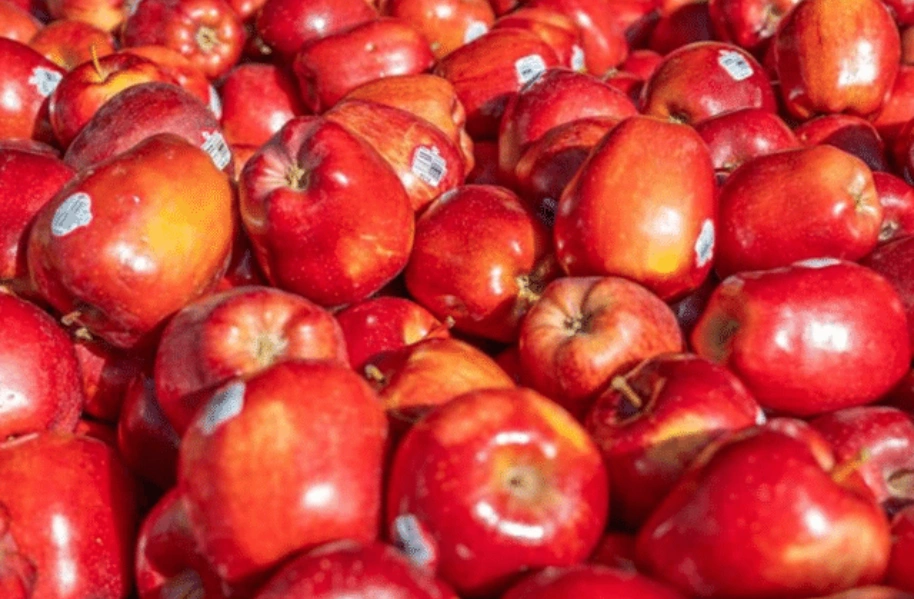
Many people buy fruits and vegetables from markets without paying attention to the small stickers attached to them. However, India’s food safety regulator, the Food Safety and Standards Authority of India (FSSAI), has now warned consumers to be more careful. According to experts, the adhesive, ink, and chemicals used in these stickers are not meant for consumption and could negatively affect health if accidentally swallowed.
In recent years, stickers on imported and packaged fruits have become extremely common. These labels usually contain brand names, barcodes, or product details. While they may look harmless, health experts say the glue attached to the back of these stickers can contain substances that are unsafe for the human body. Even though the risk may appear small, repeated exposure over time may create health concerns.
Medical experts explain that accidentally consuming tiny sticker particles may sometimes lead to stomach discomfort, nausea, digestive problems, or irritation. Children and elderly people may face an even higher risk, especially if the sticker becomes a choking hazard. Doctors also warn that regular exposure to certain chemicals found in adhesives and printing ink may slowly affect the body in the long term.
Some sticker adhesives are marketed as “food-grade,” but experts say this does not mean they are safe to eat directly. Food-grade only means the material is suitable for limited contact with food during packaging and transportation. It should still be removed completely before consumption.
To avoid health risks, experts recommend washing fruits and vegetables thoroughly as soon as they are brought home. Stickers should always be peeled off carefully before eating. In many cases, washing alone may not fully remove glue residue, so peeling the fruit can offer an extra layer of protection.
Food safety experts also advise consumers to follow proper cleaning methods. Fruits and vegetables should first be rinsed under clean running water to remove dirt, pesticides, and bacteria. Some people use lukewarm water mixed with a small amount of chlorine-based vegetable cleaner for better sanitation. However, soap, detergent, or harsh chemical cleaners should never be used directly on food items because traces can remain on the surface and become harmful when consumed.
Proper storage is another important factor in food safety. Fruits and vegetables that require cooling should be kept in the refrigerator, while others should be stored in clean open baskets or racks with good airflow. Leaving produce inside cars or exposed to outdoor heat for long periods can increase spoilage and bacterial growth.
Experts also stress the importance of maintaining hygiene in the kitchen. The sink, cutting boards, and surfaces used for washing produce should remain clean to prevent contamination. Simple habits like washing hands before handling food and separating raw vegetables from cooked food can greatly reduce the risk of illness.
The warning from FSSAI serves as a reminder that even small oversights in daily food habits can affect health. Many consumers focus on freshness and appearance while shopping, but food safety also depends on how produce is cleaned and handled at home.
As awareness around healthy eating continues to grow, experts believe consumers should become more mindful about hidden contaminants, including fruit stickers and packaging materials. A few extra minutes spent cleaning fruits and vegetables properly can help protect families from unnecessary health risks.
About the Author