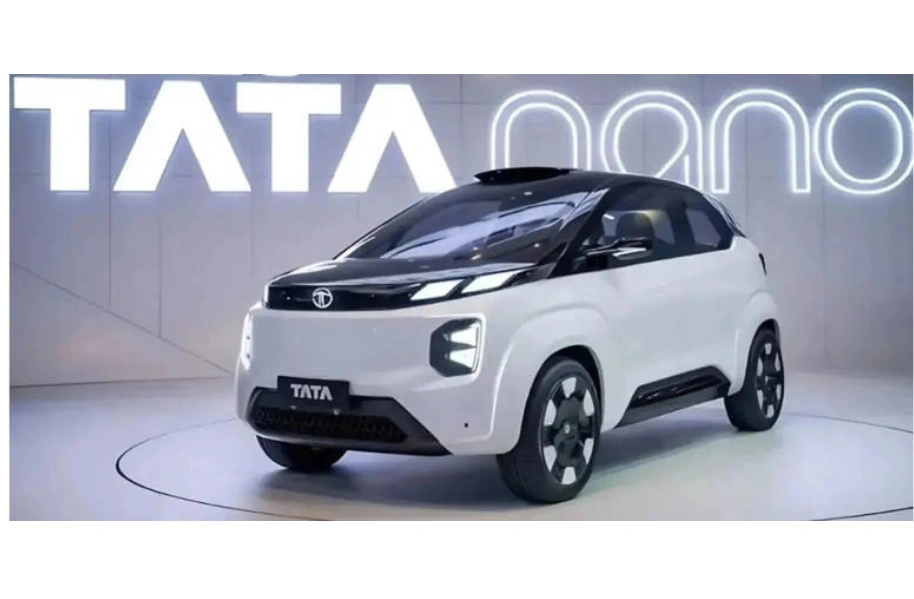
The iconic Tata Nano could soon make a comeback in a completely new avatar. Reports suggest that the much-discussed Nano may return to Indian roads in 2026 as an all-electric vehicle, potentially reviving Ratan Tata’s dream of affordable mobility for middle-class families.
Once known as the world’s cheapest car, the Nano was originally designed to provide a safer alternative to two-wheelers for Indian households. Now, with rising fuel prices and growing interest in electric mobility, the upcoming Nano EV could find a much stronger place in today’s market.
The expected electric hatchback is likely to focus on urban commuting, offering compact dimensions that make driving through crowded city streets easier. Its small size could also simplify parking and maneuvering in traffic-heavy areas, making it ideal for daily office commutes, school runs, and short-distance travel.
Industry reports suggest the Nano EV may target buyers looking to upgrade from scooters and motorcycles to an affordable four-wheeler. For many first-time car owners, the combination of lower running costs, better safety, and an enclosed cabin could make it an attractive option.
The expected pricing of around ₹7 lakh to ₹9 lakh may place it competitively within India’s growing EV segment. While this would be significantly higher than the original Nano’s pricing, the inclusion of electric technology, battery systems, and modern features changes the overall value proposition.
Unlike the earlier basic model, the new Nano EV is expected to offer a more premium cabin experience. Reports indicate it could feature a touchscreen infotainment system, digital instrument cluster, connected car technology, regenerative braking, and multiple drive modes.
The likely four-door layout may also improve practicality for families, making rear-seat access more convenient compared to some compact city EVs currently available in the market.
The timing of the Nano EV’s possible launch appears important as India’s EV infrastructure continues to improve rapidly. Charging networks are expanding, consumer awareness is growing, and demand for practical electric cars is steadily increasing.
If Tata Motors manages to deliver the right balance of pricing, driving range, and practicality, the Nano EV could emerge as one of the most anticipated affordable electric cars in India’s future mobility market.
About the Author