Dog behavior
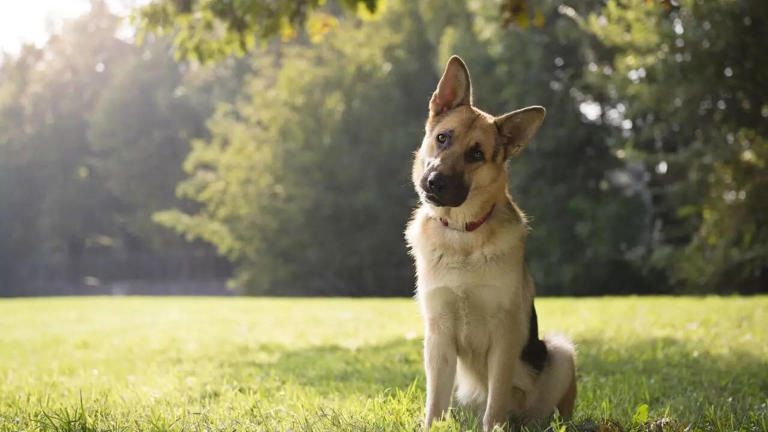
Dog behavior: If you’ve ever called your dog and noticed that charming head tilt, you’re not alone. While it may look adorable, this behavior actually reveals something fascinating about how dogs understand humans. That slight tilt of the head is more than just a cute reaction—it’s a sign that your dog is actively listening, processing, and trying to interpret what you’re saying.
A 2022 study published in Evolutionary Human Sciences suggests that dogs don’t just respond to words alone. They pay attention to tone, pitch, emotional cues, and context. So when you call your dog’s name, they are doing more than reacting—they are analyzing your voice and trying to understand your intent.
How dogs learn their name
Dogs are not born knowing their names. Instead, they learn through repetition and association. When you consistently use their name along with positive experiences—like treats, affection, or play—they begin to associate that sound with something good.
Over time, hearing their name becomes a signal for attention and reward. This is why your dog quickly looks at you or reacts when you call them. Consistency and a positive tone play a huge role in strengthening this connection.
Why dogs tilt their heads
The head tilt is believed to serve a practical purpose. By tilting their heads, dogs may adjust the position of their ears, allowing them to hear sounds more clearly. This helps them pick up subtle differences in your voice, such as changes in tone or emotion.
In simple terms, your dog tilts its head to better “tune in” to what you’re saying. It’s their way of focusing and making sense of your communication.
What happens in a dog’s brain
When you call your dog’s name, their brain processes multiple signals at once. They recognize the familiar sound, analyze your tone, and anticipate what might happen next—whether it’s a command, attention, or a reward.
Research in animal cognition shows that dogs form associations between words and outcomes. This means they don’t just hear their name—they connect it to experiences. The head tilt reflects this mental effort, showing curiosity, focus, and readiness to respond.
Strengthening your bond through name recognition
A dog that responds well to its name is showing trust and engagement. Using their name positively helps build a stronger emotional connection between you and your pet.
However, if a dog’s name is used only when scolding them, they may develop negative associations. This can lead to hesitation or ignoring the call altogether. That’s why it’s important to use their name in positive situations as well.
Common myths about head tilting
Many people believe dogs tilt their heads simply because they find human voices amusing. In reality, the behavior is functional—it helps them hear and interpret sounds better.
Another common myth is that dogs understand their name as a form of identity, like humans do. Instead, dogs treat their name as a cue—a signal that something is about to happen. The head tilt shows attention and processing, not self-awareness in the human sense.
How to improve your dog’s response
You can strengthen your dog’s response to their name with a few simple steps:
- Use their name with rewards like treats, praise, or play
- Practice calling them in different environments
- Keep your tone consistent and clear
- Avoid using their name only for discipline
- Pay attention to their body language, such as head tilts, ear movement, and tail wagging
These small efforts can make a big difference in communication.
What your dog is really thinking
When your dog tilts its head after hearing its name, it’s likely thinking something along the lines of: “I hear you—what do you want?” or “Something good might happen.”
This behavior reflects their intelligence and social nature. Dogs are highly attuned to human signals, and the head tilt is one of the many ways they show their willingness to connect and engage.
More than just a cute habit
That simple head tilt carries a deeper meaning. It shows attention, learning, and emotional connection. It’s a sign that your dog is trying to understand you and respond appropriately.
So the next time your dog tilts its head when you call them, take a moment to appreciate it. It’s not just adorable—it’s a small but powerful sign of the bond you share.
About the Author