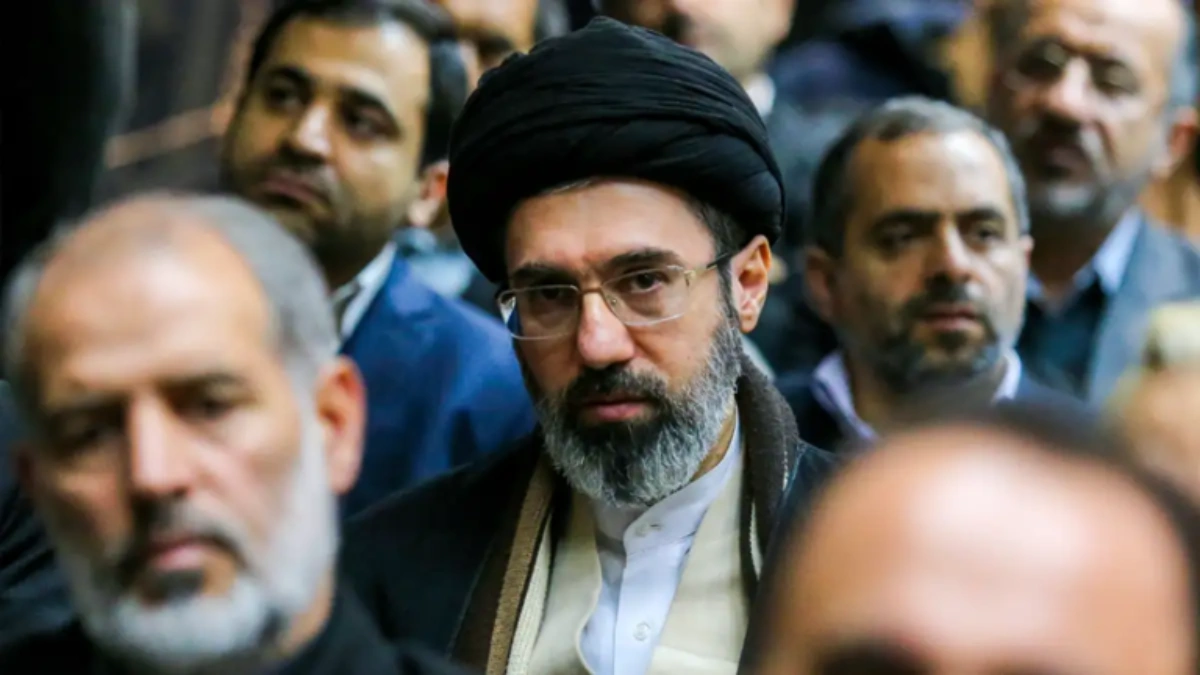
Mojtaba Khamenei
A striking report has shed light on how Iran’s leadership may be operating under extreme secrecy. According to claims highlighted by The New York Times, Mojtaba Khamenei is said to be managing the country through an unusual and highly secure communication system involving handwritten letters and trusted couriers.
The report suggests that messages intended for the leader are written by hand, sealed in envelopes, and passed along through a carefully controlled “human chain.” This network of couriers reportedly travels across highways and remote rural routes using motorcycles and cars to deliver messages to his undisclosed location. Replies are then sent back using the same method, minimizing the risk of electronic surveillance or interception.
This covert communication strategy is believed to have been adopted to avoid detection by global adversaries, particularly the United States and Israel. Security around Mojtaba Khamenei has reportedly intensified to unprecedented levels, with even senior officials and top commanders from Iran’s Revolutionary Guard avoiding direct contact. The concern, according to the report, is that any physical meeting could expose his location and potentially lead to targeted action.
Mojtaba Khamenei has largely remained out of public view since reportedly assuming leadership following the death of his father, Ali Khamenei, during a reported joint US-Israel strike earlier this year. Since then, there have been no official video or audio appearances of the new leader. Instead, his directives are said to be communicated through written statements, social media channels, or read aloud on Iranian state television.
Observers believe that this deliberate absence from public appearances may be strategic. The report indicates that Mojtaba is being cautious, possibly to avoid appearing vulnerable or weakened during the early phase of his leadership.
There are also claims regarding his health condition following the reported strike. An unnamed Iranian official cited in the report stated that the leader sustained serious injuries but remains mentally alert and actively involved in governance. Reports suggest he suffered facial injuries requiring reconstructive procedures, along with significant damage to one leg and a hand. The leg has reportedly undergone multiple surgeries and may require a prosthetic, while the hand is said to be slowly recovering functionality.
Due to these injuries, it has been suggested that speaking publicly may be difficult for him, which could explain the reliance on written communication. Medical care for the leader is reportedly being handled by a close team of healthcare professionals, including Masoud Pezeshkian, who is also a trained heart surgeon, along with the country’s health minister.
All of this is unfolding against the backdrop of a fragile geopolitical situation. Iran is currently navigating an uneasy ceasefire with the United States after a period of heightened tensions in the Middle East. However, disputes—particularly over the strategically critical Strait of Hormuz—continue to create uncertainty.
While the details in the report have not been independently verified, they offer a rare glimpse into how leadership might function under extreme security threats. If accurate, it highlights the extent to which modern geopolitics can push nations toward unconventional methods of governance and communication.
About the Author