AC Not Cooling After Service
As summer temperatures soar, an air conditioner becomes more of a necessity than a luxury. But what happens when your AC continues to underperform even after a recent service? Many homeowners face this frustrating issue, assuming that servicing should automatically fix cooling problems. However, the reality is that basic servicing doesn’t always address deeper technical faults.
If your AC is not cooling properly even after maintenance, it could be a sign of an underlying problem that needs immediate attention. Ignoring it can lead to higher electricity bills, reduced efficiency, and expensive repairs later.
The Real Reason Behind Poor Cooling
One of the most common causes of poor cooling is a problem with the AC’s cooling coils. These include:
- Evaporator coil (located inside the indoor unit)
- Condenser coil (located in the outdoor unit)
These coils play a crucial role in the cooling process by transferring heat. When they become dirty, damaged, or worn out, the AC struggles to cool the room effectively.
In more serious cases, damaged coils can even lead to refrigerant (gas) leakage, which significantly reduces cooling performance and increases repair costs.
Why Cooling Coils Are So Important
Cooling coils are often referred to as the “heart” of an air conditioner. Their primary functions include:
- Absorbing heat from inside the room
- Releasing heat outside
- Maintaining the desired indoor temperature
If these coils are clogged with dust, covered in grime, or corroded due to rust, they cannot perform efficiently. This directly affects the AC’s ability to cool your space.
Why Servicing Sometimes Isn’t Enough
Many people assume that a standard AC service will fix all issues. However, basic servicing usually involves:
- Cleaning or replacing air filters
- General inspection of the unit
- Checking for visible issues
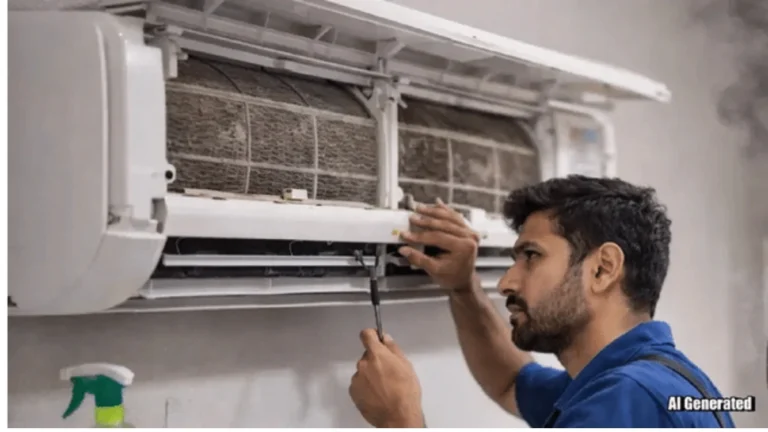
While these steps are important, they may not address deeper problems such as:
- Internal coil damage
- Refrigerant leakage
- Blockages within the system
As a result, your AC might still fail to cool properly even after servicing.
Warning Signs You Should Not Ignore
If your AC is facing coil-related or internal issues, you may notice the following symptoms:
- The AC runs continuously but the room doesn’t cool
- Ice formation on the indoor unit
- Water leakage from the AC
- Unpleasant or musty odors
- Sudden spike in electricity bills
These signs indicate that your AC needs more than just basic servicing and should be checked by a professional technician.
How to Fix the Problem
If your AC isn’t cooling effectively after servicing, here are some solutions you should consider:
1. Deep Cleaning
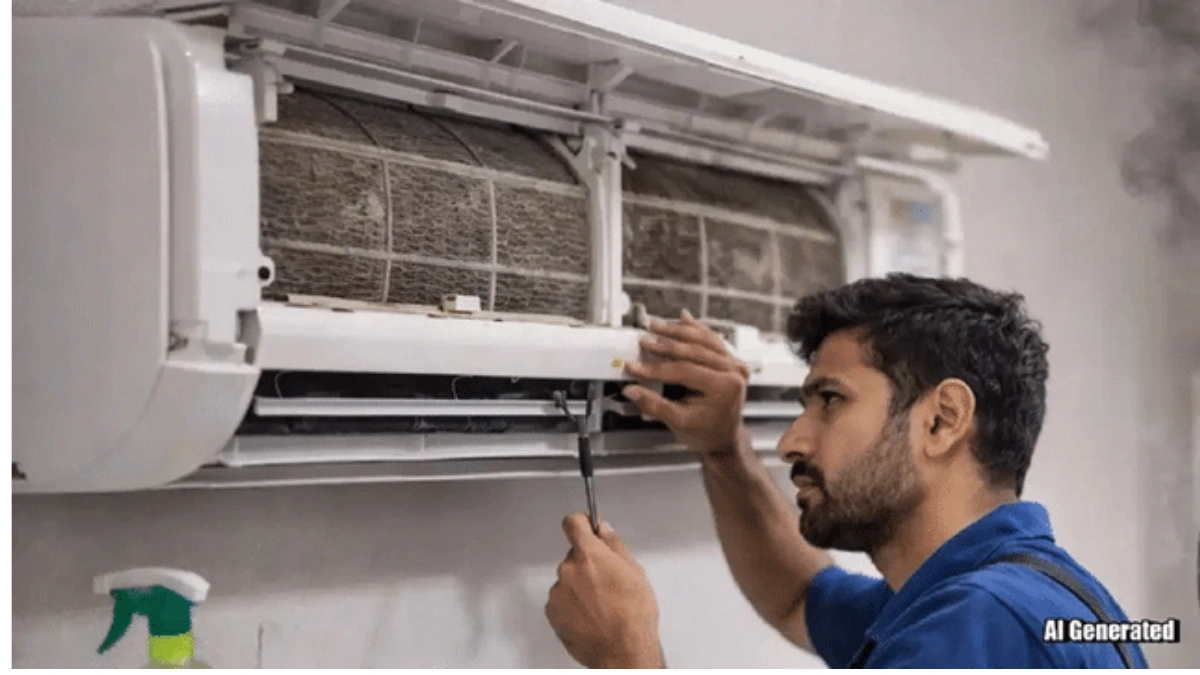
A thorough cleaning of both indoor and outdoor units can remove stubborn dirt and improve airflow.
2. Refrigerant Refill
Low refrigerant levels can reduce cooling efficiency. A technician can check and refill the gas if needed.
3. Coil Repair or Replacement
If the coils are damaged or corroded, repairing or replacing them may be necessary for proper functioning.
4. Professional Diagnosis
Always consult a qualified technician for a detailed inspection. DIY fixes can sometimes worsen the issue.
How to Prevent Cooling Issues
Prevention is always better than cure when it comes to AC maintenance. Here are some simple tips to keep your AC running efficiently:
- Schedule servicing before the summer season begins
- Clean or replace air filters regularly
- Use a voltage stabilizer to protect against power fluctuations
- Avoid running the AC at extremely low temperatures for long periods
- Ensure proper ventilation around the outdoor unit
Regular maintenance not only improves cooling performance but also extends the lifespan of your AC.
Conclusion
If your AC is not cooling even after servicing, don’t ignore the problem. In most cases, the issue is linked to cooling coils or refrigerant-related faults that require professional attention.
Understanding the root cause can help you take timely action and avoid costly repairs in the future. With proper maintenance and expert care, your AC can deliver optimal cooling performance throughout the summer season.
About the Author