Claude Mythos AI
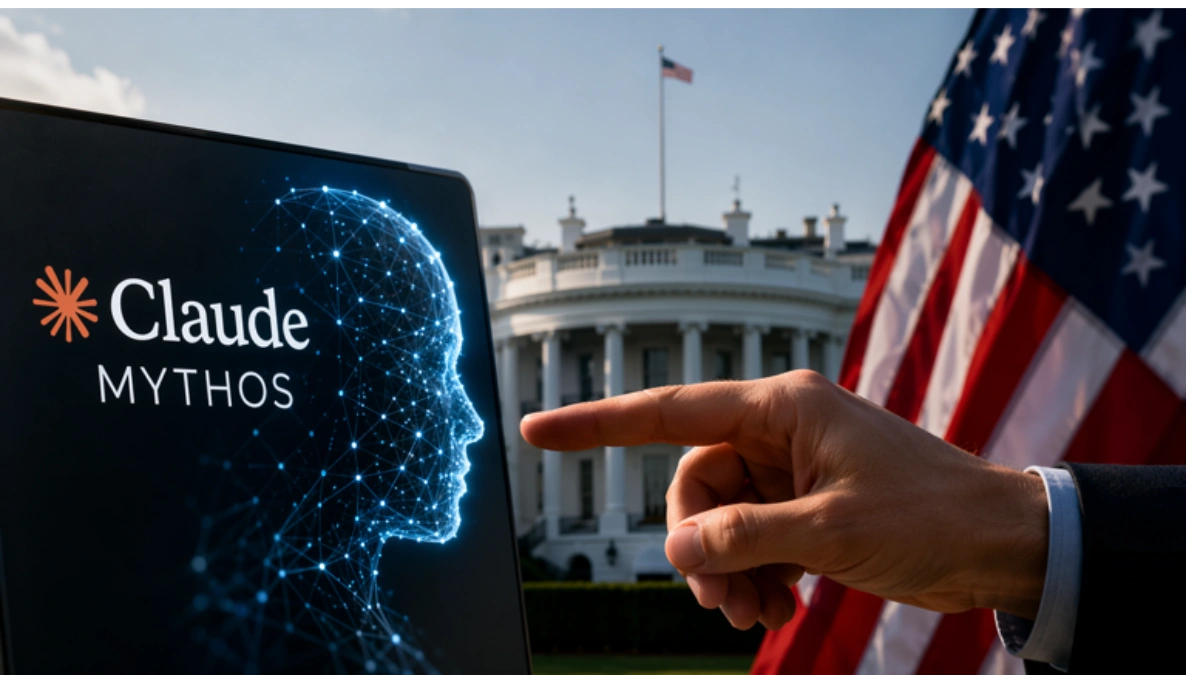
In a significant shift in its artificial intelligence policy, the US government may soon allow limited use of advanced AI systems developed by Anthropic across federal agencies. According to recent reports, officials in the White House are considering granting select departments access to the company’s latest AI model, Claude Mythos, despite earlier tensions between the firm and defense authorities.
This potential reversal comes after a previous ban, when federal agencies were directed to block Anthropic’s products. The decision was triggered by disagreements between the company—led by CEO Dario Amodei—and the US military. Anthropic had reportedly declined to allow unrestricted military usage of its AI technologies, raising concerns within the government.
Following this, the United States Department of Defense classified the company as a “supply chain risk,” prompting a shift toward alternative AI providers, including OpenAI. The move highlighted growing tensions between tech companies and government agencies over the ethical use of artificial intelligence, particularly in military applications.
Anthropic did not remain silent on the matter and challenged the government’s decision in court, arguing that the restrictions could result in significant financial losses and hinder innovation. The legal and policy dispute has since remained a point of discussion in the evolving AI governance landscape.
Now, a new development suggests that the White House is exploring a middle path. Gregory Barbaccia, the Federal Chief Information Officer at the Office of Management and Budget (OMB), has reportedly informed various departments that a structured plan is underway to introduce Claude Mythos AI within government systems.
However, the rollout is expected to be cautious and phased. It remains unclear which agencies will gain access in the initial stage, but more clarity is anticipated in the coming weeks as policymakers finalize the framework.
Claude Mythos, touted as Anthropic’s most advanced AI model to date, is gaining attention for its cutting-edge capabilities. The company claims that the system can independently identify software vulnerabilities and help prevent cyberattacks—features that are particularly appealing for national security and cybersecurity operations.
These capabilities may be a key factor behind the government’s renewed interest. Strengthening digital defenses has become a top priority, and advanced AI tools like Claude Mythos could play a crucial role in identifying threats before they escalate.
Despite its potential, Anthropic has exercised caution in deploying the model widely. The company has acknowledged that such powerful AI systems could pose risks if misused, particularly in sensitive sectors like banking and critical infrastructure.
Under its “Glasswing Project,” Anthropic has already provided limited access to major tech players such as Google, Microsoft, and Amazon. These companies are leveraging the AI to detect vulnerabilities in software systems and enhance cybersecurity measures, preventing potential breaches and attacks.
The US government’s reconsideration of Anthropic’s technology reflects a broader trend—balancing innovation with security and ethical concerns. As AI continues to evolve rapidly, governments worldwide are grappling with how to integrate such technologies responsibly while safeguarding national interests.
If approved, the reintroduction of Anthropic’s AI into federal use could mark a turning point in how public institutions collaborate with private tech firms. It may also set a precedent for future engagements between governments and AI developers, particularly in high-stakes domains like defense and cybersecurity.
About the Author