Foods to Avoid with Alcohol
People who enjoy alcohol often look for occasions to indulge—be it a party, festival, or a casual get-together with friends. While most people plan their drinks carefully, they tend to overlook an important factor: what foods to consume along with alcohol.
The truth is, pairing alcohol with the wrong foods can negatively impact your health and even intensify intoxication. It can lead to digestive issues, dehydration, and discomfort that may ruin your experience. Here’s a closer look at the foods you should avoid when drinking alcohol.
To begin with, sugary treats like chocolate may seem like a tempting pairing with drinks, but they can do more harm than good. Chocolate contains caffeine, which, when combined with alcohol, can increase acidity and cause stomach irritation. Additionally, this combination may enhance the effects of alcohol, making you feel intoxicated faster than usual.
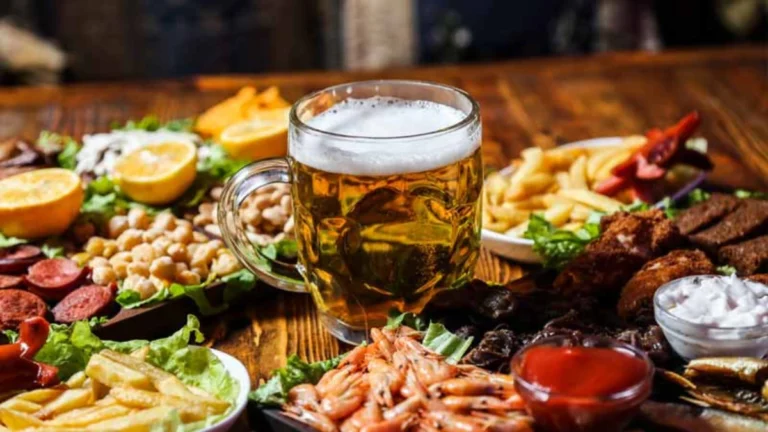
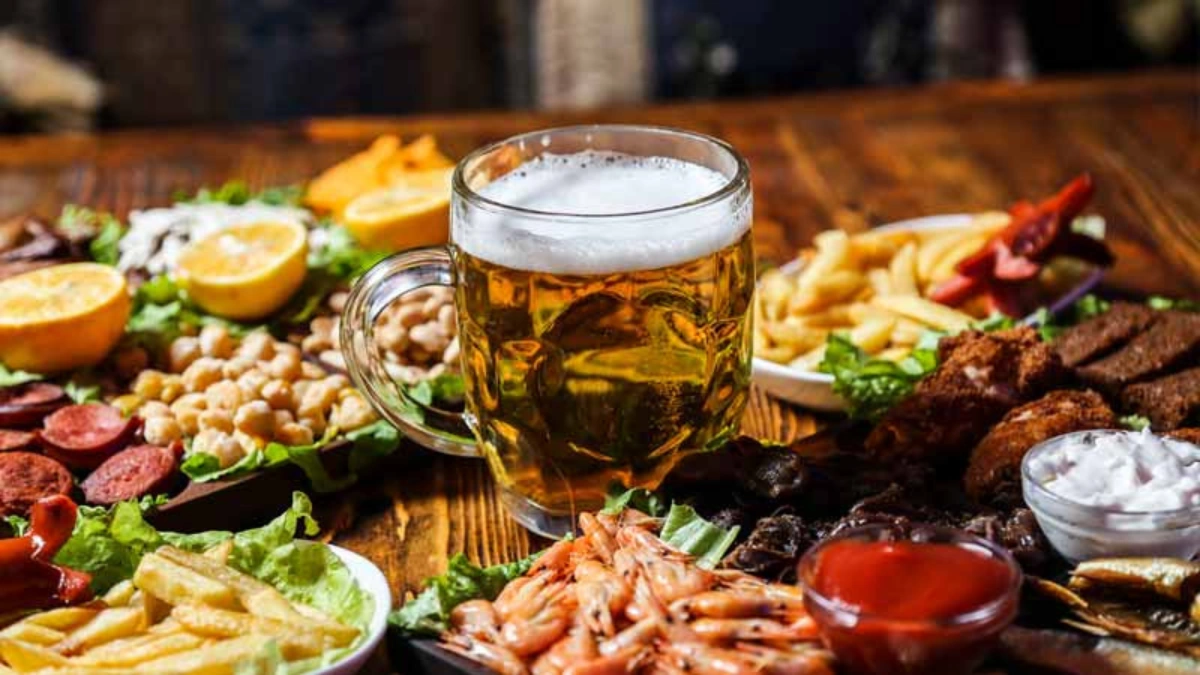
Spicy and salty snacks such as bhujia, chips, and fried items are also commonly consumed with alcohol. While they may taste great, they are not a healthy choice. Alcohol already disrupts the balance of good bacteria in your gut, and adding spicy foods can further aggravate digestion. High salt content contributes to dehydration, which can intensify the effects of alcohol and lead to quicker intoxication.
Pizza is another popular choice during drinking sessions, but it’s not an ideal companion for alcohol. Loaded with fats, salt, and refined carbohydrates, pizza can accelerate dehydration. This may increase the chances of nausea and vomiting. Moreover, ingredients like cheese and tomato sauce can trigger acidity and heartburn, making you feel uncomfortable.
Many people also enjoy pairing red wine with protein-rich foods like chickpeas or kidney beans. However, this combination may not be as beneficial as it seems. Red wine contains tannins, which can interfere with the body’s ability to absorb iron from legumes. Over time, this can lead to digestive issues and even nutrient deficiencies.
Another combination to avoid is bread and beer. Both contain high amounts of yeast, which can put extra strain on your digestive system when consumed together. This may result in bloating, gas, and discomfort. In some cases, excessive yeast consumption may even contribute to fungal issues like Candida.
Ultimately, being mindful of what you eat while drinking is just as important as controlling how much you drink. Choosing lighter, balanced foods—such as those rich in protein and fiber—can help your body process alcohol more efficiently and reduce its negative effects.
If you want to enjoy your drinks without compromising your health, make smarter food choices. Avoiding these combinations can help you feel better during and after drinking, ensuring a more enjoyable and safer experience.
About the Author