Largest Uranium Reserves
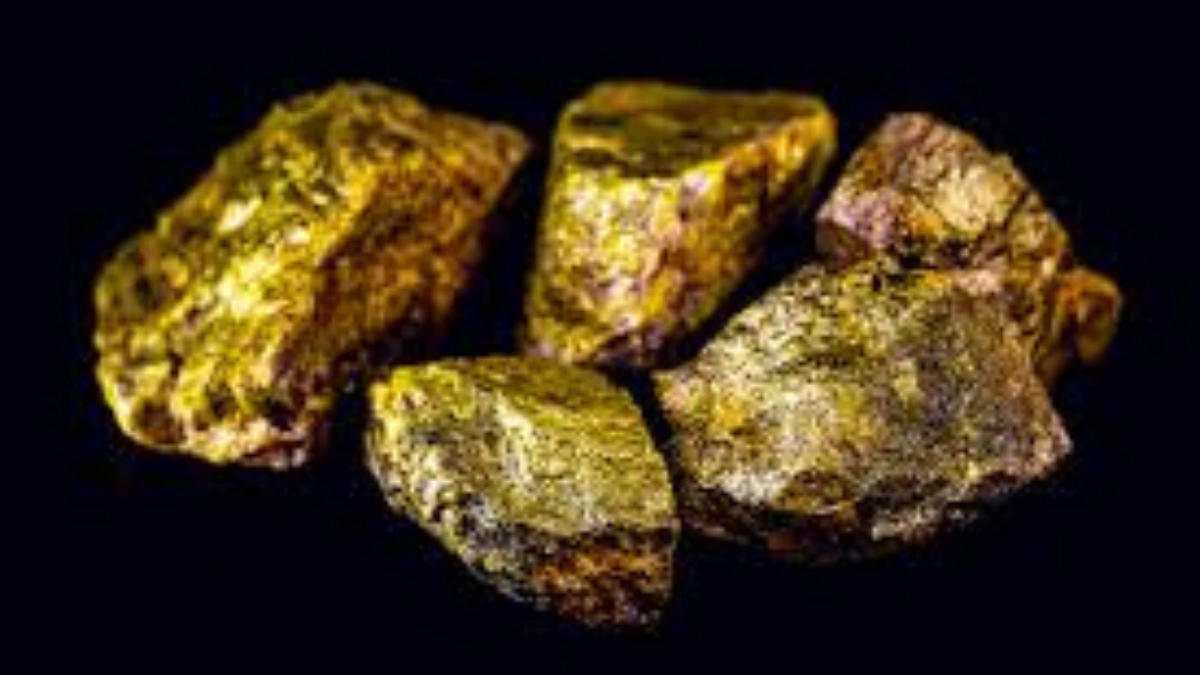
Largest Uranium Reserves: Uranium remains one of the most crucial resources in the modern world, especially for nuclear energy production. Its strategic and economic importance is immense, as even a small quantity can generate massive amounts of power—just one kilogram of uranium can produce energy equivalent to nearly 88 tonnes of coal. Extracted mainly from minerals like uraninite, uranium plays a key role in meeting global energy demands.
According to recent data from the World Nuclear Association (2023 Nuclear Fuel Report) and the International Atomic Energy Agency (2024 Red Book), several countries dominate the world’s uranium reserves. Here’s a look at the top 10 nations with the largest reserves:
1. Australia
Australia leads the world with approximately 1.67 million tonnes of uranium, accounting for nearly 28% of global reserves. Major deposits are located in regions like Olympic Dam, Ranger, and Beverley. Interestingly, despite such vast resources, Australia does not operate its own nuclear energy programme.
2. Kazakhstan
Kazakhstan ranks second with around 813,900 tonnes of uranium, about 14% of global reserves. It has been the world’s top uranium producer for over a decade and holds the largest reserves in Asia.
3. Canada
Canada comes third with 582,000 tonnes, mainly concentrated in the Athabasca Basin in Saskatchewan. This region is known for some of the highest-grade uranium ores globally, making Canada a key supplier to Europe and Asia.
4. Namibia
Namibia holds around 497,900 tonnes, representing about 8% of global reserves. Most of its uranium is found in the Namib Desert, and mining plays a significant role in the country’s economy.
5. Russia
Russia possesses approximately 476,600 tonnes of uranium. While not the largest producer, it uses its reserves to support domestic nuclear energy and international nuclear projects, often through joint ventures abroad.
6. Niger
Niger has around 336,000 tonnes of uranium. The mineral is a major contributor to its economy, and historically, it has been a key supplier for French nuclear power plants. However, recent political developments have impacted mining operations.
7. South Africa
South Africa holds about 320,900 tonnes of uranium. Most of it is obtained as a by-product of gold mining in the Witwatersrand Basin, which limits its production scale despite large reserves.
8. China
China has approximately 270,500 tonnes of uranium. While these reserves support its nuclear energy sector, the country still imports uranium to meet its rapidly growing energy demands.
9. Brazil
Brazil’s uranium reserves stand at around 167,800 tonnes, mainly extracted from the Caetité mine in Bahia. Production remains limited due to regulatory and infrastructure challenges.
10. Mongolia
Mongolia rounds out the list with about 144,600 tonnes of uranium. However, much of its reserves remain unexplored, and production is still at an early stage.
Where Does India Stand?
India does not feature among the top 10 countries in terms of uranium reserves. However, it possesses modest reserves and relies significantly on imports to fuel its expanding nuclear energy programme. The country has been actively securing uranium supply through international agreements while also exploring domestic resources.
About the Author