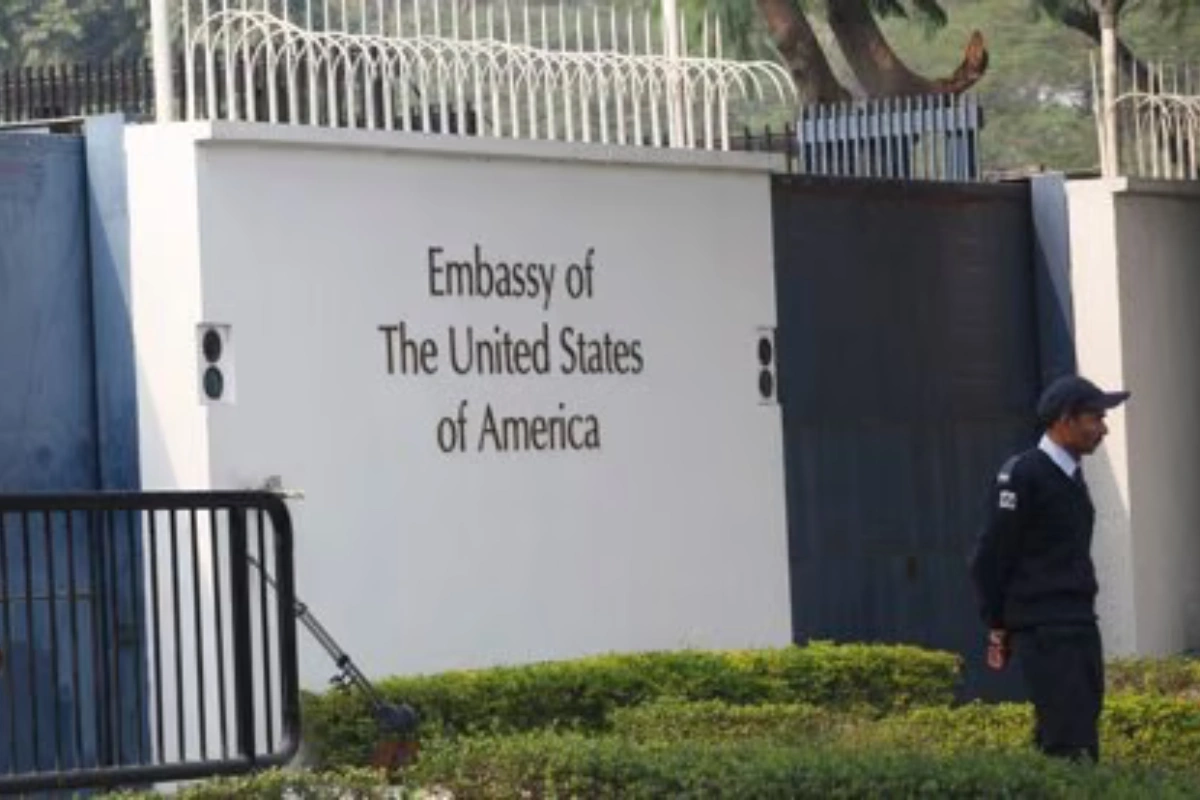
The United States Embassy in India has issued a strong caution to applicants and holders of B1 and B2 visitor visas, urging them to strictly follow visa rules while travelling to the US. The warning highlights that misuse of a visitor visa or overstaying the permitted duration could result in severe consequences, including permanent bans on future travel to the United States.
In an animated video shared on social media platform X, the embassy reminded travellers that a B1/B2 visa comes with clearly defined limitations. The video emphasized that visitors must understand what activities are permitted and what actions are strictly prohibited under the terms of their visa.
According to the embassy, consular officers closely evaluate applicants’ intentions during visa interviews. If an officer believes that a person does not intend to comply with the rules of a visitor visa, the application may be rejected outright.
“During your visa interview, if the consular officer believes you do not intend to follow the rules for a visitor visa, he or she may deny your application,” the embassy stated in the video.
The message also placed responsibility squarely on the visa holder, noting that obtaining a B1/B2 visa is not enough—it must be used correctly and lawfully.
“Learn what you are and are not allowed to do when visiting the United States on a B1/B2 visitor visa. If you misuse your visa or stay longer than allowed, you could be permanently banned from future travel,” the embassy warned.
Applicants were encouraged to educate themselves by visiting official resources, including the US State Department’s website at travel.state.gov/visas, to avoid unintentional violations.
Series of Warnings Across Visa Categories
The advisory for visitor visas comes just a day after the US Embassy in India issued a similar warning to international students studying in the United States. In that statement, the embassy stressed that student visas could be revoked if holders violate US laws or are arrested during their stay.
“Breaking US laws can have serious consequences for your student visa. If you are arrested or violate any laws, your visa may be revoked, you may be deported, and you could be ineligible for future US visas,” the embassy said in a post on X, reiterating that a US visa is a privilege, not a right.
Earlier, the embassy also cautioned applicants and holders of H-1B and H-4 work visas, warning that violations of immigration laws could attract serious criminal penalties and long-term immigration consequences.
Tougher Immigration Climate Under Trump Administration
These repeated advisories come amid a broader crackdown on illegal immigration under the Donald Trump-led US government. The administration has taken a stricter approach toward visa compliance, increased scrutiny of applications, and tightened enforcement across work, student, and visitor visa categories.
The impact of these policies is already visible in migration and education trends. New international student enrollments in the US reportedly declined by 17 percent last year. Data from August 2024 showed a 19 percent year-on-year drop in international student arrivals, marking the lowest level since 2021. The decline was largely driven by a sharp reduction in student arrivals from India, traditionally one of the largest source countries for US universities.
At the same time, skilled professionals applying for H-1B visas are facing unusually long waiting periods and heightened uncertainty due to increased scrutiny and policy changes.
Clear Message to Indian Travelers
With the latest advisory, the US Embassy has sent a clear signal to Indian travelers: compliance with visa rules is non-negotiable. Whether visiting for tourism, business meetings, studies, or employment, visa holders are expected to follow US laws and adhere strictly to the conditions of their stay.
Failure to do so, the embassy has made clear, could result in visa denial, deportation, or even permanent ineligibility for future US visas—outcomes that could have long-lasting personal and professional consequences.