The United States has signalled that it may temporarily relax sanctions on additional Russian crude oil to help stabilise global energy markets, while praising India for cooperating with earlier restrictions.
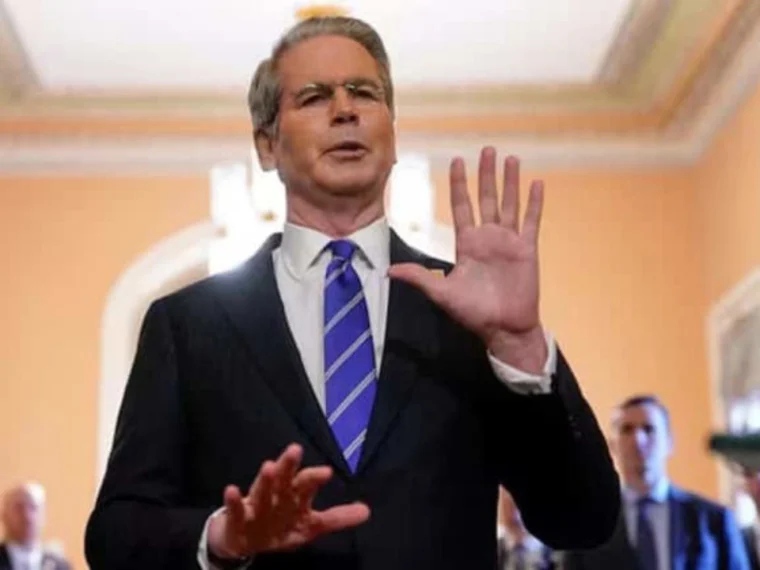
Speaking on the Fox Business programme Kudlow, US Treasury Secretary Scott Bessent said Washington had already allowed Indian refiners to purchase Russian oil that had been stranded at sea and could permit more shipments if global supply pressures continue.
Bessent described India as a responsible partner in handling the restrictions. “The Indians had been very good actors. We had asked them to stop buying sanctioned Russian oil this fall, and they complied,” he said, highlighting New Delhi’s cooperation before the temporary waiver was granted.
Earlier this week, the United States issued a 30-day waiver allowing Russian crude already loaded on ships to be delivered to India. The move is aimed at preventing short-term disruptions in global oil supply.
According to Bessent, the US Treasury agreed to allow India to accept the cargoes because they were already on the water. “To ease the temporary gap of oil around the world, we have permitted them to accept the Russian oil. We may sanction other Russian oil,” he said.
He added that a significant amount of restricted oil remains at sea. “Hundreds of millions of sanctioned barrels are currently on the water,” Bessent said, noting that allowing those shipments into the market could increase supply and help stabilise prices.
Bessent also explained that India had earlier planned to replace Russian imports with American crude, but Washington allowed the purchases to avoid immediate disruptions in global supply.
“They were going to substitute it with US oil, but to ease the temporary gap of oil around the world, we have given them permission to accept the Russian oil,” he said.
The potential policy shift comes as rising tensions involving Iran and Israel have pushed global oil prices higher and raised concerns about supply disruptions in the Middle East.
Benchmark Brent Crude prices climbed above $90 per barrel on Friday as fighting near the Strait of Hormuz made tanker operators cautious about sailing through the vital passage. The strait handles roughly one-fifth of the world’s oil shipments, and traders warn prices could exceed $100 per barrel if tensions escalate further.
Earlier on Friday, US Energy Secretary Chris Wright said Washington had encouraged India to draw on stored Russian crude to help ease pressure on global refineries.
“We have reached out to our friends in India to buy stored Russian oil. That pulls oil into Indian refineries and releases pressure on other global refineries,” he said.
Meanwhile, heavy crude prices in the US Gulf Coast surged as buyers looked for alternatives to Middle Eastern supplies. According to reports from Reuters, the benchmark Mars sour crude produced in the US Gulf of Mexico traded at an $11 premium to West Texas Intermediate, its highest level since April 2020.
Analysts say the disruptions around the Strait of Hormuz, combined with production cuts from some Gulf producers, have pushed refiners to seek alternative sources, boosting demand for heavy crude grades from the United States.