Pakistan
A recent report by the United States Congress has reignited global concerns over Pakistan’s alleged role in harboring and supporting terrorist networks. Released on March 25, the report presents detailed findings that challenge Islamabad’s repeated claims of dismantling terror infrastructure within its borders.
Key Findings of the US Congress Report
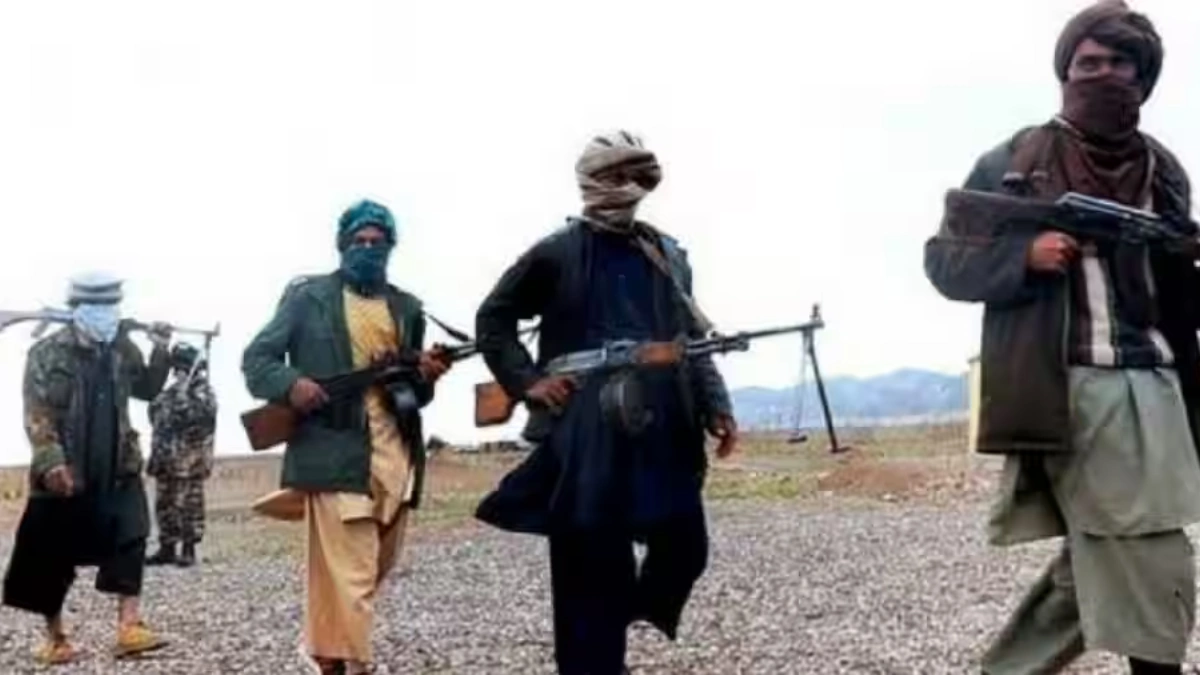
According to the report, as many as 14 terrorist organizations are currently operating from Pakistan. These include groups that have long been linked to regional and global security threats, such as Hizbul Mujahideen, Jaish-e-Mohammed, and Lashkar-e-Taiba.
The report also identifies the presence of global extremist networks like Al-Qaeda, its regional branch Al-Qaeda in the Indian Subcontinent, and Islamic State Khorasan Province.
Terror Presence and Strength
One of the most striking revelations in the report is the operational strength of these groups. It estimates that ISKP alone has between 4,000 and 6,000 active fighters across Pakistan and neighboring Afghanistan. Additionally, Al-Qaeda operatives are believed to continue using Pakistani territory for planning and executing activities.
The findings contradict Pakistan’s recent assertions that it has taken strict action against terror outfits. Despite claims of banning organizations like Lashkar-e-Taiba and Jaish-e-Mohammed, the report suggests that over 1,000 Lashkar operatives and more than 500 Jaish members remain active. Hizbul Mujahideen is also reported to have approximately 1,500 operatives.
Allegations of Continued Denial
The report highlights what analysts describe as a long-standing pattern of denial by Pakistan. For decades, Islamabad has faced accusations of supporting or tolerating militant groups while officially rejecting such claims on international platforms.
Recent incidents have added to the scrutiny. In one case, Indian security forces reportedly neutralized individuals linked to Jaish-e-Mohammed in Jammu and Kashmir. While Indian authorities identified them as Pakistani nationals, Pakistan’s official response denied any such connection.
Documentary Evidence Raises Questions
Separate media investigations have also cited documentary evidence suggesting links between certain militants and Pakistani identity records. Reports indicate that identification documents, including national identity cards, have been used to establish citizenship claims, contradicting official denials.
Such disclosures have intensified debate over accountability and transparency, with observers calling for independent verification of these claims.
Repeated Patterns in Recent Incidents
Similar controversies have surfaced following other security operations, where individuals identified by Indian authorities as Pakistani nationals were allegedly denied recognition by Islamabad. These recurring disputes have contributed to mistrust between the two countries and raised concerns at the international level.
Global Implications
The latest report by the US Congress adds weight to long-standing concerns raised by multiple countries and global agencies. It suggests that Pakistan’s role may extend beyond being a passive host, pointing instead to deeper structural issues related to counterterrorism enforcement.
At the same time, Pakistan has consistently maintained that it is itself a victim of terrorism and has undertaken significant efforts to combat extremist groups within its territory.
A Continuing International Debate
The findings have once again brought Pakistan’s counterterrorism record under global scrutiny. While the report presents a strong case, it also underscores the complexity of regional security dynamics in South Asia.
As international stakeholders assess these claims, the issue is likely to remain a key point of discussion in diplomatic and strategic circles. The report ultimately reinforces the need for greater transparency, cooperation, and verification in addressing global terrorism.
About the Author