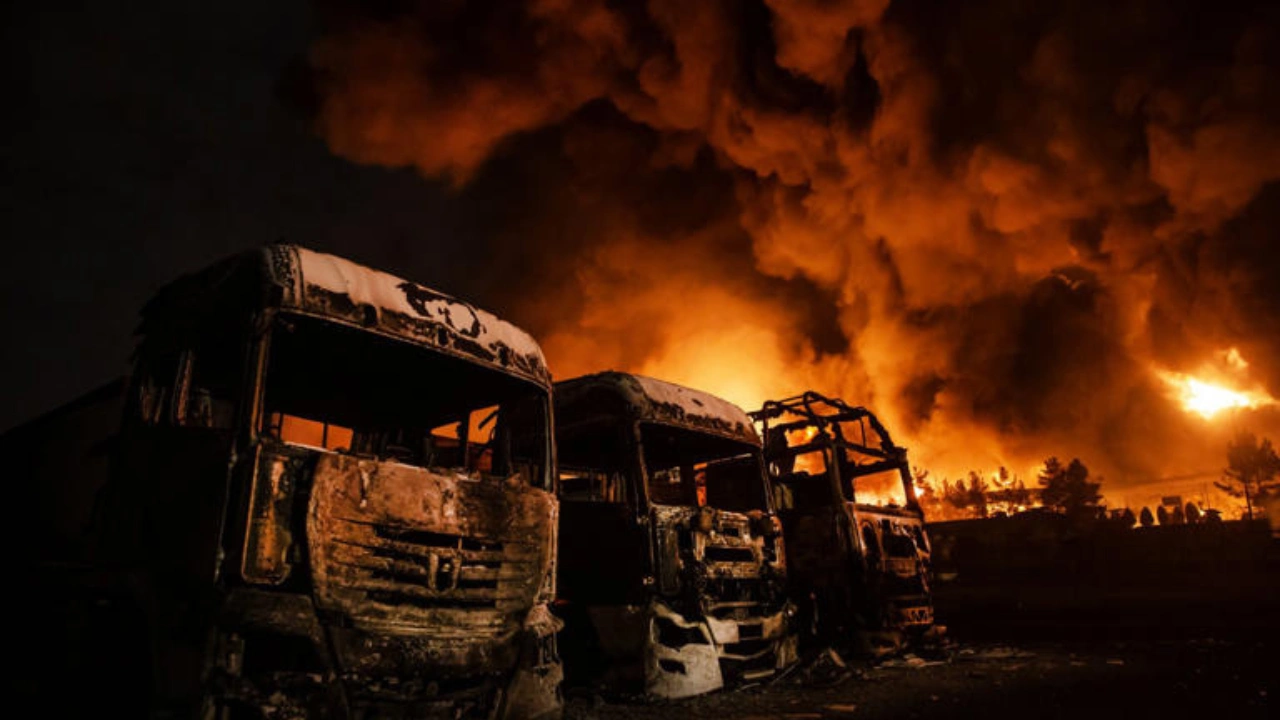
Oil Crisis
Oil Crisis: Tensions in the Middle East have escalated sharply after Donald Trump issued a strong warning to Iran, demanding the immediate reopening of the strategically vital Strait of Hormuz. The US President has set a 48-hour deadline, threatening severe military action if the situation is not resolved.
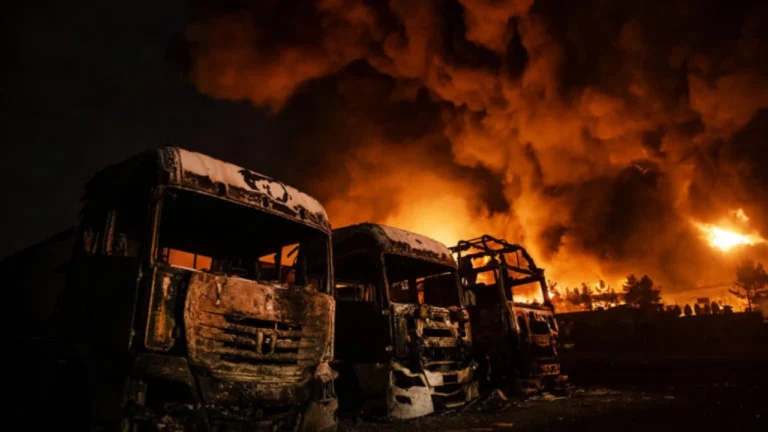
The Strait of Hormuz, one of the world’s most critical oil transit routes, has reportedly been disrupted for nearly three weeks. The disruption is believed to be in response to recent military strikes involving the United States and Israel, further intensifying geopolitical tensions in the region. As a result, global energy markets have reacted sharply, with oil prices rising and concerns growing over potential inflation worldwide.
In a strongly worded message posted on his social media platform, Trump warned that failure to ensure safe passage for ships through the strait would lead to direct action. He stated that the United States would target and destroy Iran’s power infrastructure, beginning with its largest facilities, if the waterway is not fully reopened within the specified timeframe.
The ultimatum, issued late Saturday night, sets a deadline that is expected to expire just before midnight on Monday. The statement marks one of the most aggressive positions taken so far in the ongoing crisis and underscores the urgency with which the US administration is seeking to restore stability to global energy supply routes.
Strategic Importance of the Strait
The Strait of Hormuz is a narrow but crucial passage through which a significant portion of the world’s oil supply is transported. Any disruption in this region has immediate and far-reaching consequences for global energy markets. The current standoff has already led to a spike in fuel prices, raising fears of increased living costs and economic pressure in multiple countries.
Shifting US Strategy
Initially, Trump had suggested that the US Navy might intervene directly to escort oil tankers through the strait, ensuring uninterrupted energy flow. However, his stance appears to have shifted in recent days. In a subsequent statement, he indicated that other nations relying on the strait should take responsibility for its सुरक्षा, signaling a potential pullback from direct US involvement.
Efforts by the United States to form a broader international coalition to manage the situation have reportedly met resistance. Several countries have been reluctant to deploy military forces to the region, citing concerns about escalating the conflict and putting their personnel at risk.
International Response and UK Involvement
Amid rising tensions, the United Kingdom has allowed the US to use its military bases for operations related to the crisis. Officials have clarified that this support falls under existing collective self-defense agreements, particularly concerning defensive actions against missile threats.
However, the decision has sparked political debate within the UK. Opposition parties, including the Liberal Democrats and the Green Party, have called for parliamentary oversight, warning that the move could deepen involvement in a potentially volatile conflict.
Economic Impact
The ongoing crisis is already affecting global economies. Energy analysts predict a significant increase in household energy costs if the situation persists. In the UK, for instance, forecasts suggest that annual energy bills could rise substantially when new pricing adjustments take effect in the coming months.
The surge in energy prices is also expected to contribute to broader inflationary pressures, potentially impacting everything from transportation to food costs worldwide.
Rising Concerns of Escalation
The situation remains highly volatile, with fears that further escalation could lead to direct military confrontation. Trump’s ultimatum has added urgency to diplomatic efforts, but it has also raised concerns about the possibility of rapid deterioration in relations between the US and Iran.
As the deadline approaches, global attention remains focused on whether a resolution can be reached or if the crisis will deepen further. The outcome could have lasting implications not only for regional stability but also for the global economy and energy security.
About the Author