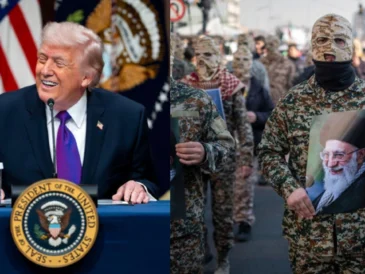
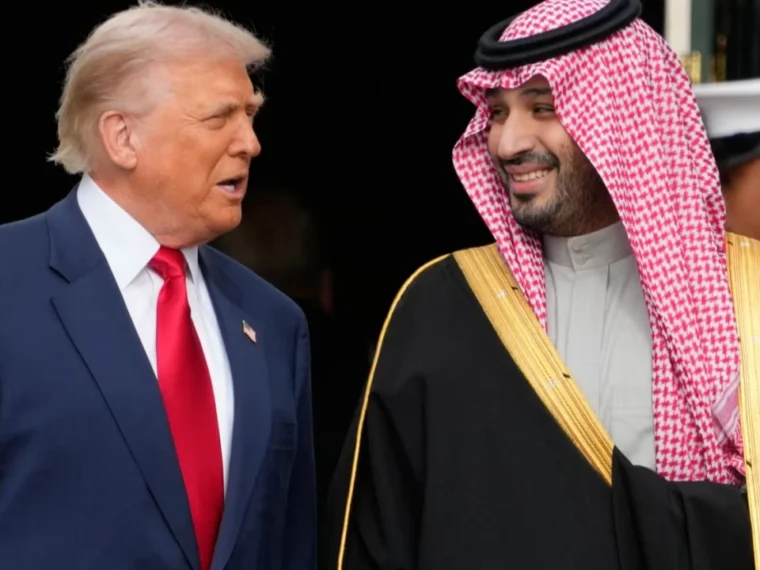
As the ongoing conflict between the United States, Israel, and Iran enters its third week, Mohammed bin Salman, the Crown Prince of Saudi Arabia, has reportedly urged Donald Trump to continue taking aggressive action against Iran.
According to a report published by The New York Times, the Saudi leader has been advising the US president during several direct conversations to “keep hitting the Iranians hard,” encouraging Washington to maintain pressure rather than step back from the conflict.
A Strategic Position Rooted in Saudi Policy
Officials familiar with the conversations told the publication that the advice reflects a long-standing strategic stance held by Saudi leadership toward Iran.
The message reportedly echoes remarks made years earlier by King Abdullah of Saudi Arabia, who repeatedly urged the United States to confront Iran more aggressively. His famous warning to American leaders—“cut off the head of the snake”—became symbolic of Riyadh’s view of Iran as its primary regional rival.
Today, Crown Prince Mohammed bin Salman, widely known as MBS, oversees much of Saudi Arabia’s foreign and defence policy and remains one of the most influential voices shaping the kingdom’s regional strategy.
Trump in Frequent Talks With Middle East Leaders
Sources quoted in the report say that President Trump has been holding regular discussions with several Arab leaders as the conflict intensifies. Among them, Mohammed bin Salman has reportedly been one of the most vocal advocates for maintaining strong military pressure on Tehran.
The US administration has not publicly disclosed the full details of these conversations, but officials speaking anonymously confirmed that the president has been consulting regional partners closely as the war unfolds.
A War With Growing Global Impact
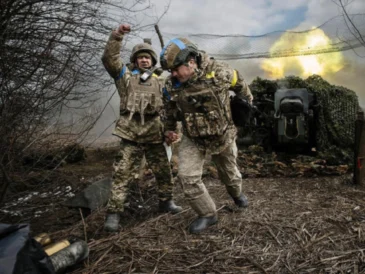
The conflict, launched jointly by the United States and Israel against Iran, has already produced significant geopolitical and economic consequences. According to reports, more than 2,100 people have died, including 13 Americans, since the fighting began.
The war has also sent shockwaves through global energy markets. Oil prices have surged toward $100 per barrel, and disruptions in the strategically vital Strait of Hormuz have raised concerns about the stability of global energy supplies.
Despite weeks of intense fighting, key objectives outlined by the US administration have reportedly not yet been fully achieved. Intelligence assessments indicate that Iran’s nuclear fuel stockpile remains within its territory, while the country’s leadership has signalled its determination to continue resisting military pressure.
Reports suggest that the evolving power structure in Tehran, potentially influenced by the family of Ali Khamenei, has vowed to sustain the conflict.
Saudi Arabia’s Strategic Calculations
For Saudi Arabia, weakening Iran would represent a major geopolitical victory. The two countries have been regional competitors for decades, with tensions shaped by political, economic and sectarian rivalries that often align with the broader Sunni–Shia divide across the Middle East.
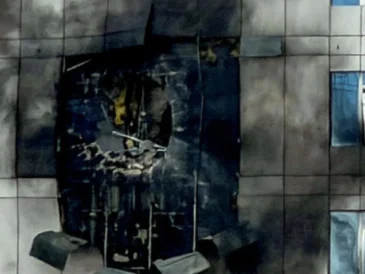
However, the situation also carries significant risks for Riyadh. The war has already triggered retaliatory drone strikes targeting oil infrastructure in Saudi Arabia and the United Arab Emirates.
These attacks were reportedly carried out by Iran-backed groups after Israeli forces struck oil storage facilities near Tehran, an operation that reportedly took place despite reservations from Washington.
As a result, the very conflict that Saudi Arabia appears to support strategically is also increasing security risks in the region.
Trump’s Uncertain War Strategy
President Trump’s public messaging on the war has shifted several times in recent days. At various points, he has suggested that victory is close, while at other times acknowledging that “heavy fighting” still lies ahead.
Speaking to reporters, Trump said he would know when to end the war based on instinct, remarking that he would “feel it in my bones.”
Whether that decision ultimately depends on military evaluations, domestic political pressure in the United States, or the strategic advice of regional allies such as Saudi Arabia remains uncertain as the conflict continues to unfold.