ISIS-linked-Terror Module
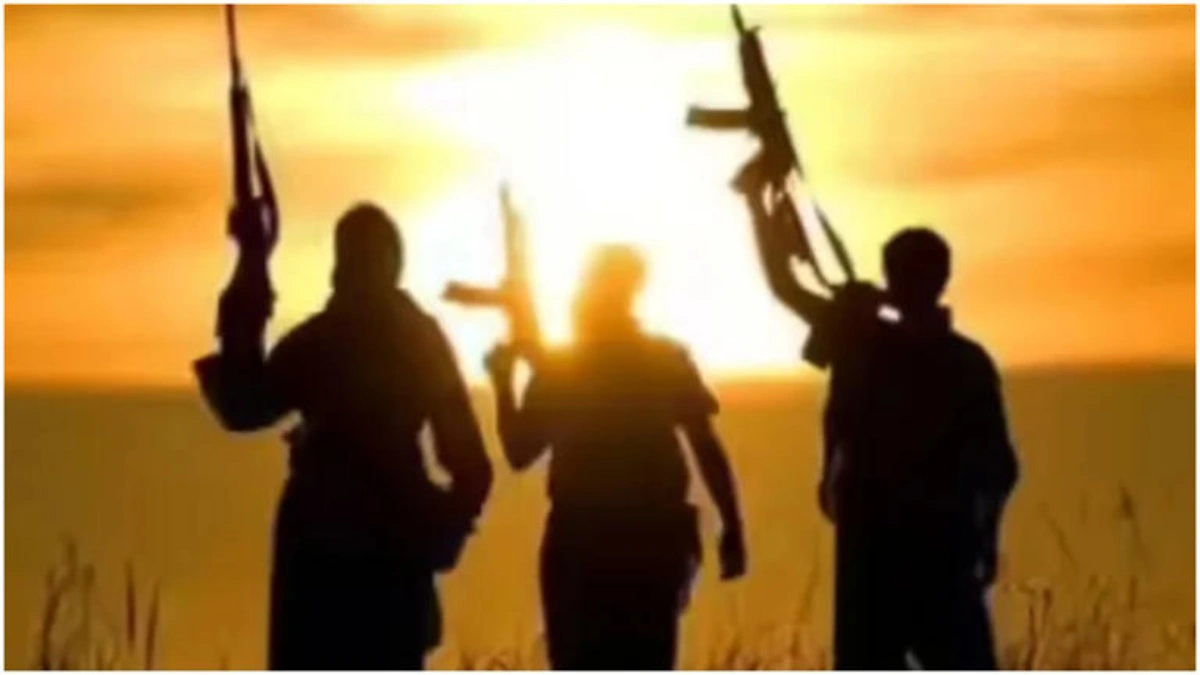
ISIS-linked-Terror Module: A major terror module with links to international extremist networks has been busted in India, revealing a well-organised radicalisation and recruitment system operating across multiple states. The operation, led by Vijayawada Police and Andhra Pradesh Counter-Intelligence, resulted in the arrest of 12 suspects from six states—Andhra Pradesh, Karnataka, Telangana, West Bengal, Maharashtra, and New Delhi.
According to investigators, the network was allegedly headed by Mohammed Rahmatullah Sharif along with his associates. He is suspected of maintaining connections with operatives linked to ISIS and AQIS in Pakistan, Syria, Afghanistan, and the UAE.
‘Khawateen’ Women’s Wing Unearthed
One of the most significant findings of the probe is the existence of a dedicated women’s unit named ‘Khawateen.’ A Hyderabad-based suspect, Syeda Begum, is accused of coordinating with handlers in Pakistan and Jammu & Kashmir to recruit women into the network.
Authorities believe this female wing played a crucial role in spreading radical ideology, managing propaganda, and expanding the group’s reach through women operatives.
An intelligence official stated that the module had direct links with foreign handlers and extremist organisations like ISIS and AQIS, actively working to radicalise youth in India.
Digital Radicalisation Strategy
The investigation revealed that the group extensively used social media and encrypted platforms to spread extremist content. More than 40 Instagram accounts were reportedly used to influence and recruit young individuals.
- Suspects allegedly circulated videos of figures like Osama bin Laden and Zakir Naik to provoke extremist sentiments.
- Members shared images wearing masks and holding ISIS flags, chanting “One Ummah.”
- The ultimate aim appeared to be the establishment of an Islamic State or “Khilafat” in India.
Direct Links to Foreign Handlers
Security agencies found that the suspects were in direct contact with foreign handlers based in Pakistan, Bangladesh, and the UAE. These handlers operated under aliases such as Al-Hakim Shakoor and Abu Balushi.
Plans for Training and Weapons
The probe indicates that the network aimed to facilitate “Hijrat” (migration) of recruits to Pakistan or Afghanistan.
- Recruits were promised religious indoctrination and advanced combat training, including the use of sniper rifles and IEDs.
- Authorities recovered digital manuals and videos detailing the preparation of explosives, including “black powder.”
- Handlers reportedly assured the supply of weapons for future operations within India.
Timeline of Arrests
The crackdown began on March 24 with the arrest of Mohammed Rahmatullah Sharif, Mohammed Danish, and Mirza Sohail Baig in Vijayawada. This led to a wider nationwide operation, with further arrests made in states like Rajasthan and Bihar.
Security agencies are now investigating the financial networks behind the module and tracking other individuals who may have been targeted for radicalisation.
About the Author