West Asia Tensions
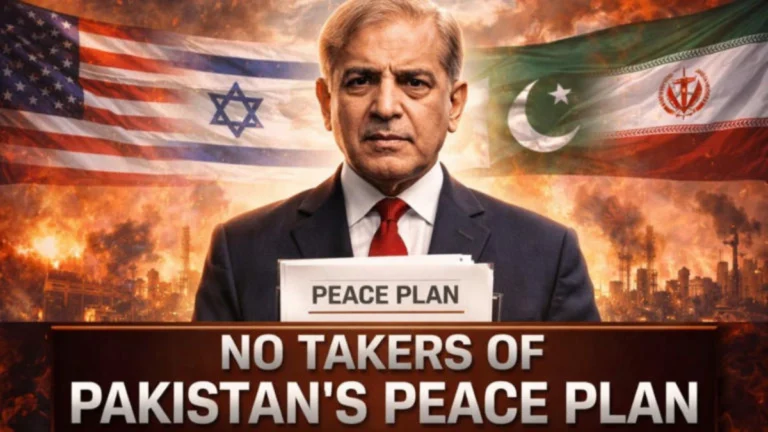
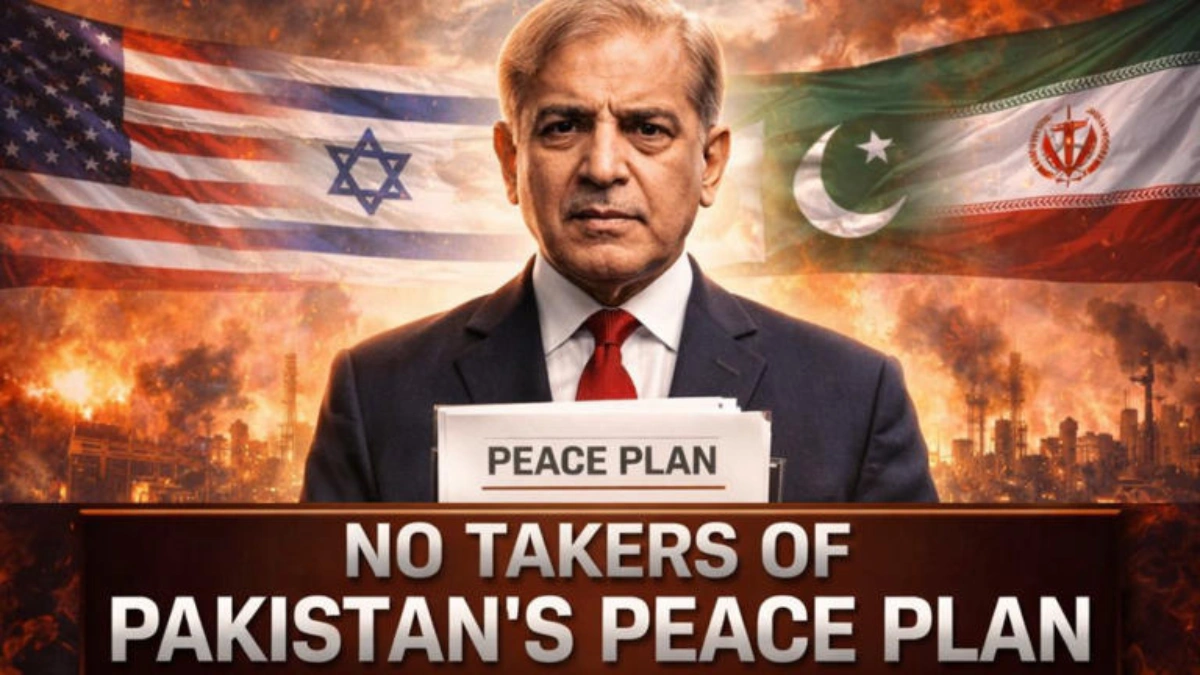
West Asia Tensions: Efforts by Pakistan and China to ease rising tensions in West Asia have received a muted response, particularly from Iran. A joint five-point proposal aimed at restoring stability in the Gulf region and ensuring secure maritime movement through the Strait of Hormuz has failed to gain traction among key stakeholders, including the United States and Iran itself.
The proposal comes at a time of heightened geopolitical strain, but the lack of immediate response from major players signals the complexities involved in mediating such a conflict. While Pakistan has attempted to position itself as a diplomatic bridge, its efforts appear to be met with caution rather than enthusiasm.
Recent reports suggest that Iran had earlier declined a Pakistan-backed peace initiative, which allegedly included a 15-point framework believed to have originated from Washington. Iranian authorities reportedly downplayed the idea of third-party mediation altogether, reinforcing their preference for direct and transparent negotiations over indirect diplomacy.
Similarly, Israel has shown reluctance to engage with Pakistan’s mediation efforts. Tel Aviv has reportedly expressed reservations about Islamabad hosting peace talks, citing concerns over trust and neutrality. This further complicates Pakistan’s attempt to bring multiple sides to the negotiating table.
Why Iran Remains Cautious
At the core of the issue lies a significant trust deficit. Iran has not outright rejected Pakistan’s role but is clearly approaching it with caution. One major concern in Tehran is the perception that Pakistan is acting more as a conduit for US communication rather than an independent mediator. By relaying proposals between Washington and Tehran, Islamabad risks being viewed as aligned with American interests rather than maintaining a neutral stance.
Iran’s skepticism is also influenced by Pakistan’s evolving diplomatic ties with the United States. With improving relations between Islamabad and Washington, particularly during the era of Donald Trump, Iranian leadership fears that Pakistan’s mediation may be tilted in favor of US strategic objectives. This perception weakens Pakistan’s credibility in the eyes of Iranian policymakers.
Another factor contributing to the hesitation is Iran’s emphasis on trust as a prerequisite for any successful negotiation. Iranian officials have consistently highlighted that past diplomatic engagements have often faltered due to a lack of reliability and transparency. As a result, Tehran remains wary of intermediaries that may not be able to guarantee fairness or neutrality.
Regional Dynamics and Internal Challenges
Pakistan’s own geopolitical positioning adds another layer of complexity. Islamabad maintains close ties with key Gulf nations, including Saudi Arabia, which has historically had strained relations with Iran. This balancing act raises questions about whether Pakistan can genuinely represent Iran’s interests while maintaining its alliances elsewhere in the region.
Additionally, Pakistan’s domestic and regional challenges play a role in shaping perceptions. Ongoing security concerns, economic pressures, and tensions along its borders, particularly with Afghanistan, may limit its capacity to act as a stable and effective mediator on the global stage. For Iran, these factors contribute to doubts about Islamabad’s ability to sustain a complex diplomatic process.
A Complex Road to Peace
The cautious response from Iran highlights a broader reality: mediation in highly sensitive geopolitical conflicts requires not just initiative but also unquestioned credibility. While Pakistan and China’s proposal reflects a desire to de-escalate tensions, the lack of trust among key stakeholders remains a significant barrier.
For any meaningful progress, Iran appears to be signaling the need for direct engagement or involvement of mediators perceived as truly neutral. Without that, even well-intentioned proposals risk being overlooked.
Looking Ahead
Pakistan’s diplomatic outreach underscores its ambition to play a larger role in global conflict resolution. However, the current situation illustrates the challenges of navigating complex alliances and perceptions in international politics.
As tensions in West Asia continue, the success of any peace initiative will depend heavily on trust, transparency, and balanced representation. Until then, Pakistan’s efforts may remain limited to facilitating dialogue rather than shaping its outcome.
About the Author