Iran
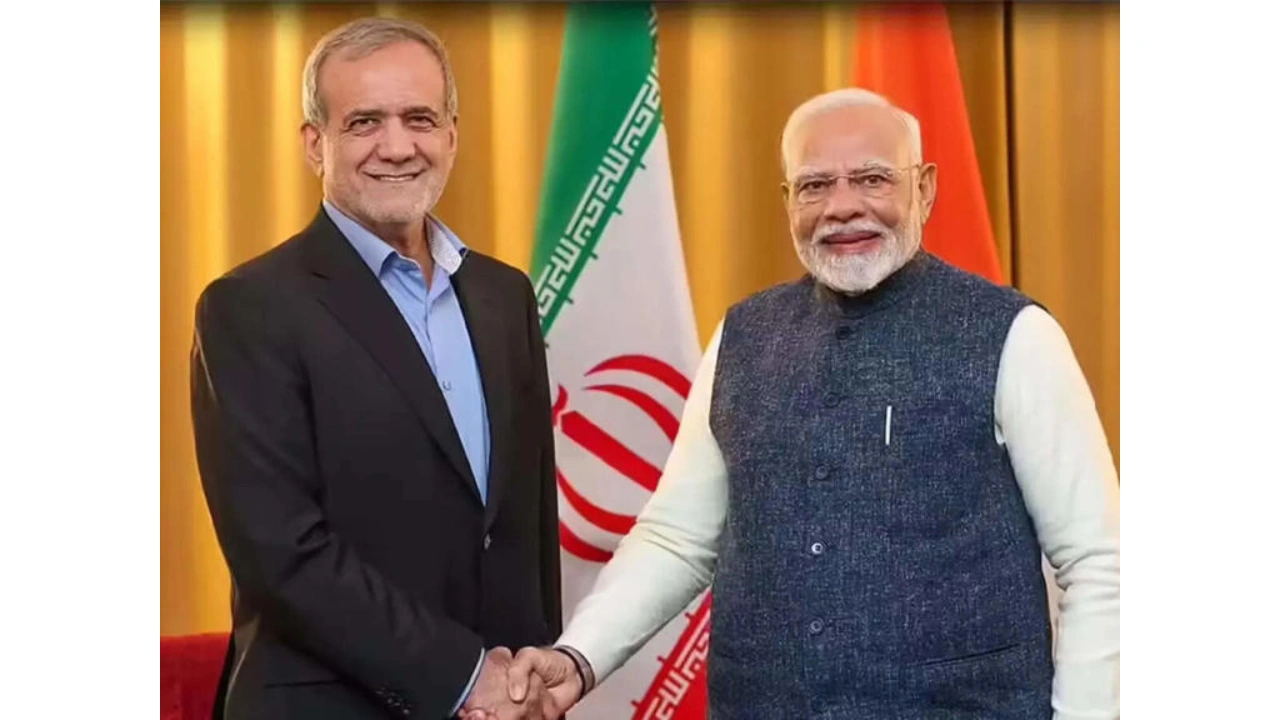
Amid escalating tensions in West Asia, Masoud Pezeshkian held a crucial telephonic conversation with Narendra Modi, emphasizing that the key condition for ending the ongoing conflict is the immediate cessation of military actions by the United States and Israel.
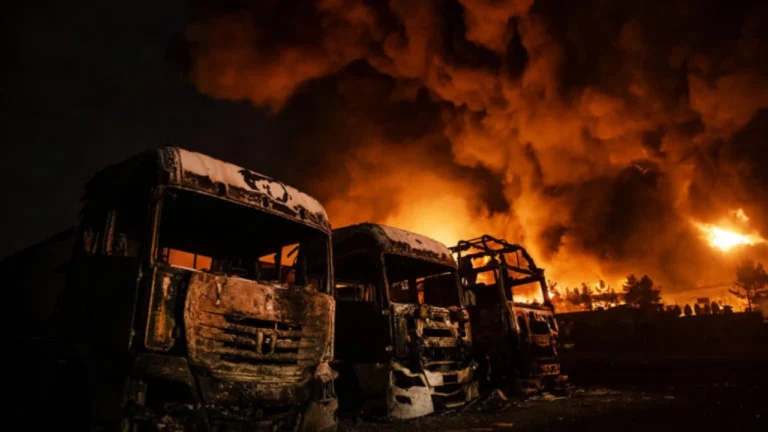
The discussion between the two leaders comes at a time when the region is witnessing heightened instability due to continuous military exchanges involving Iran, the United States, and Israel. The situation has raised serious concerns globally, particularly regarding energy security and geopolitical stability.
Iran’s Stand on the Conflict
According to statements from Iranian officials, President Pezeshkian asserted that Iran did not initiate the conflict and accused the United States and Israel of carrying out attacks without legal or moral justification. He claimed that these strikes occurred even during ongoing nuclear negotiations, further complicating diplomatic efforts.
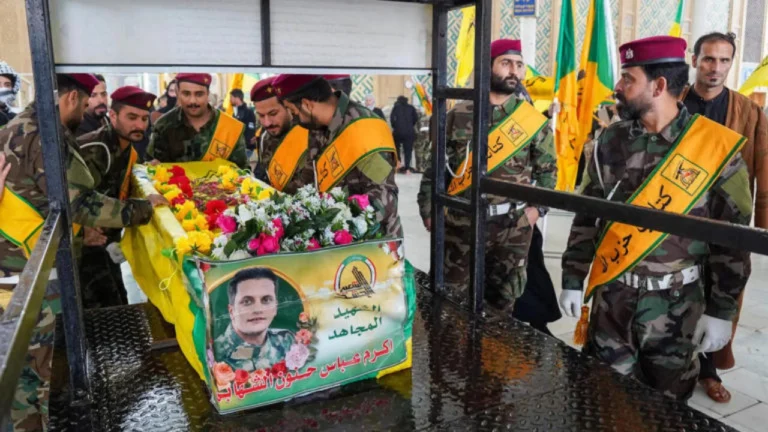
The Iranian President highlighted the human and infrastructural cost of the conflict, stating that several civilians and senior officials have been affected. He also alleged that public infrastructure has suffered significant damage due to continued military operations.
In a particularly strong claim, Pezeshkian referred to an incident in Minab, where he said a school was targeted, resulting in the deaths of numerous children. He attributed the attack to operations launched from bases in neighboring countries hosting U.S. forces.
Tehran’s Broader Accusations and Proposals
Pezeshkian also accused Israel of conducting strikes across multiple countries in the region, arguing that such actions are contributing to instability rather than enhancing security.
Reiterating Iran’s long-standing position, he maintained that the country’s nuclear programme is intended for peaceful purposes. He expressed willingness to engage in dialogue with global stakeholders under international supervision to demonstrate transparency.
Additionally, the Iranian President proposed the idea of a regional security framework led by West Asian nations themselves, without interference from external powers. He also called upon the BRICS grouping, under India’s leadership, to play an independent role in addressing the crisis and promoting stability.
India’s Response and Concerns
Responding to the situation, Prime Minister Narendra Modi conveyed deep concern over the escalating conflict. He emphasized that war is not in the interest of any party and urged all sides to prioritize dialogue and diplomatic solutions.
In his remarks, Modi also highlighted the dangers posed by attacks on critical infrastructure, noting that such actions could disrupt regional stability and global supply chains. He stressed the importance of maintaining the safety and security of key maritime routes, particularly in light of rising tensions affecting international shipping.
The Prime Minister also acknowledged Iran’s cooperation in ensuring the safety of Indian nationals residing in the country, expressing appreciation for the support extended during challenging times.
A Region on Edge
The conversation between the two leaders reflects growing international concern over the direction of the conflict. With the situation in West Asia entering a critical phase, fears of further escalation continue to mount.
The ongoing tensions have already begun to impact global markets, especially energy supplies, as the region plays a vital role in oil production and transportation. Analysts warn that prolonged instability could have far-reaching consequences for the global economy.
The dialogue between Masoud Pezeshkian and Narendra Modi underscores the urgency of de-escalation in West Asia. While Iran insists that halting U.S. and Israeli military actions is essential for peace, India continues to advocate for dialogue and stability.
As the conflict unfolds, the role of global and regional powers will be crucial in determining whether the situation moves toward resolution or further escalation.
About the Author