PNG
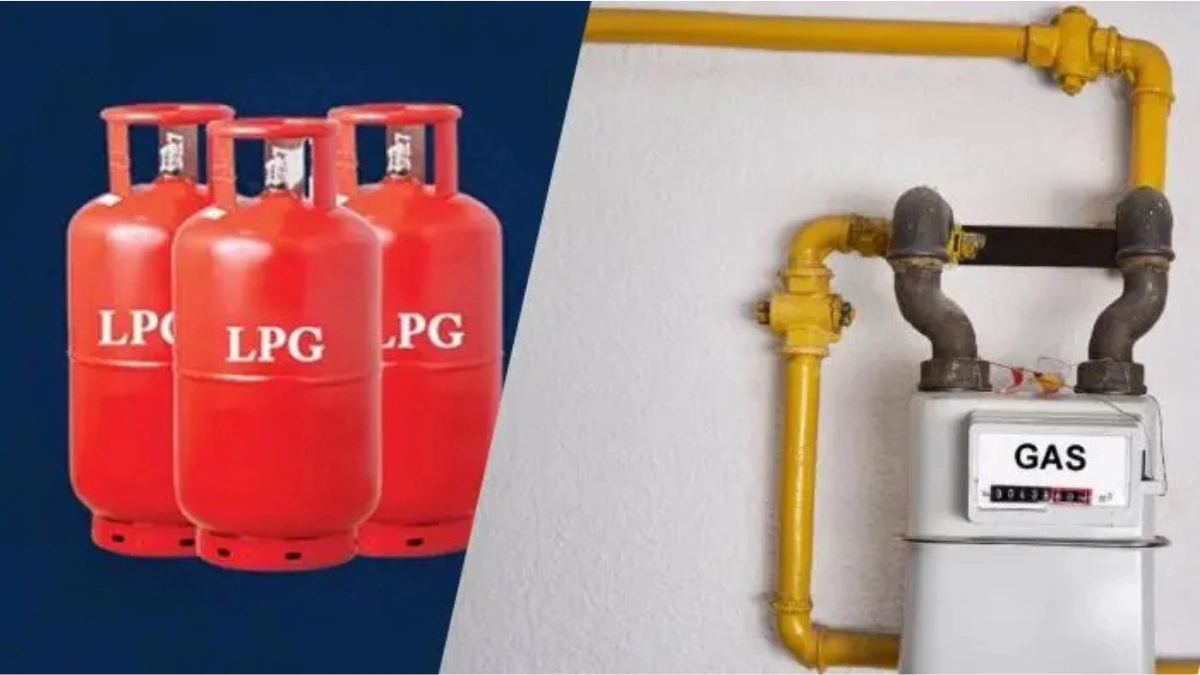
In a significant policy move aimed at strengthening energy security, the Government of India has directed households to switch from liquefied petroleum gas (LPG) to piped natural gas (PNG) in areas where pipeline infrastructure already exists. The order, issued on March 24, gives households a three-month window to transition once notified. Failure to comply could lead to the discontinuation of LPG supply.
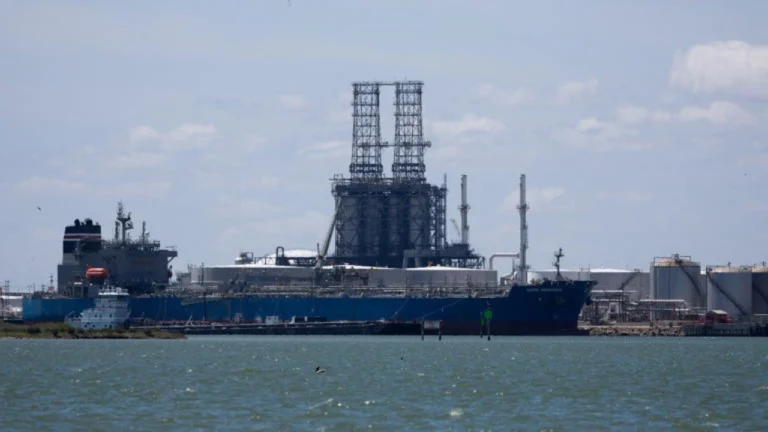
This decision comes against the backdrop of a growing global energy disruption, particularly in the Middle East. The blockage of the Strait of Hormuz—a crucial route for transporting liquefied natural gas (LNG)—has severely impacted fuel supply chains. Additionally, damage and shutdowns at liquefaction facilities in the Gulf region have further constrained exports, creating long-term supply challenges for countries like India that depend heavily on imports.
In simple terms, India is facing a shortage of imported gas, prompting the government to accelerate domestic distribution systems and reduce reliance on external sources. The push for PNG is a strategic step in this direction.
Key Reforms Driving the Shift
1. Rapid Expansion of Pipeline Infrastructure
The government is prioritizing the fast-tracking of natural gas pipeline networks across the country. This includes both large transmission pipelines and last-mile connectivity to households. The aim is to ensure that more homes, especially in urban and semi-urban areas, have access to PNG.
2. Removal of Bureaucratic Barriers
Pipeline projects have historically faced multiple hurdles, including delays in approvals, high fees, and resistance from local authorities and Resident Welfare Associations (RWAs). The new directive seeks to override these challenges by simplifying procedures and granting easier access to land and residential zones, ensuring that infrastructure projects are not stalled.
3. Mandatory Shift from LPG to PNG
Even in areas where PNG is available, many households continue to rely on LPG cylinders due to convenience or lack of awareness. The government now aims to actively transition such users to piped gas, which is considered more reliable in the current scenario as it depends less on imports.
4. Creation of a Uniform National Framework
To streamline the process, the government is introducing a centralized regulatory framework for the development, operation, and expansion of gas pipelines. This replaces the earlier fragmented system where rules varied across states and cities, often causing confusion and delays.
5. Focus on Long-Term Energy Security
At its core, the policy is about safeguarding India’s energy needs. By promoting PNG, the government aims to build a resilient system that can withstand global disruptions and ensure uninterrupted access to cooking fuel for millions of households.
What This Means for Citizens
For ordinary citizens, the changes could have immediate and visible effects. Housing societies and RWAs will no longer be able to block pipeline installations in their areas, making it easier for gas companies to expand their networks. As a result, more households are likely to receive PNG connections in the coming months.
While the transition may require some initial adjustments, piped gas offers several advantages, including continuous supply, elimination of cylinder refills, and potentially lower long-term costs. Most importantly, it reduces dependence on volatile international markets.
The government’s move highlights a broader shift in India’s energy strategy—one that prioritizes self-reliance and resilience in the face of global uncertainties. As geopolitical tensions continue to impact fuel supplies, policies like this are expected to play a crucial role in securing the country’s energy future.
About the Author