India Iran War Strategy
India Iran War Strategy: India has officially maintained a neutral stance on the ongoing Middle East conflict, but its diplomatic actions suggest a more nuanced and evolving strategy. While New Delhi has not openly taken sides, several recent moves indicate a subtle tilt in its geopolitical positioning.
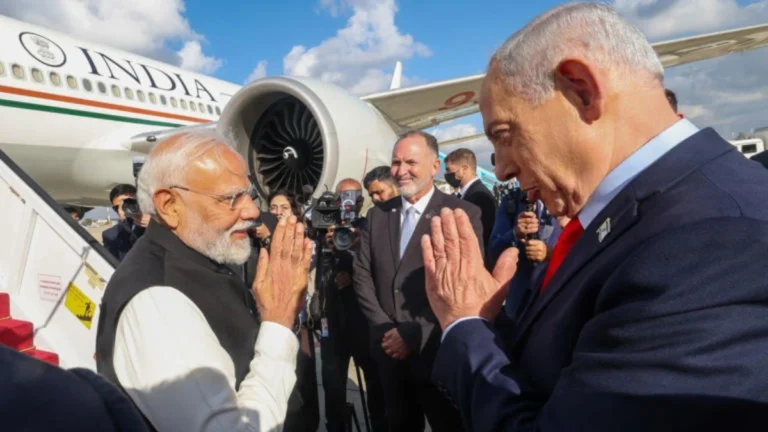
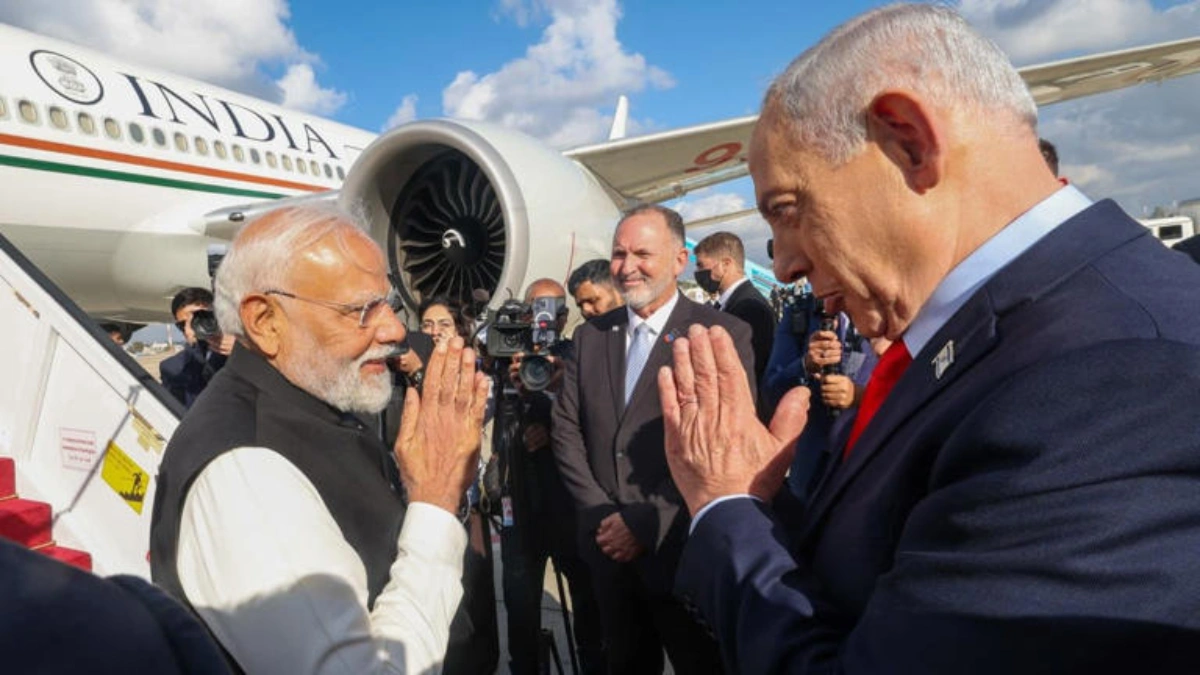
Just days before tensions escalated, Prime Minister Narendra Modi visited Tel Aviv, a move that drew attention in diplomatic circles. Around the same time, India chose not to comment on reports of the U.S. Navy sinking an Iranian warship that had previously participated in a multilateral exercise involving India.
Additionally, despite holding the chair of BRICS, India did not respond to Tehran’s call for coordinated intervention. Notably, New Delhi has criticized Iranian strikes on Arab nations but has avoided condemning joint Israeli-U.S. actions against Iran.
Balancing Interests in a Complex Region
At one level, India’s approach reflects its current strategic interests. The country shares strong defense ties with Israel, a growing partnership with the United States, and deep economic connections with Gulf nations.
In contrast, India’s engagement with Iran has reduced significantly in recent years. Energy imports from Iran have declined, and economic as well as diaspora links remain limited compared to other regions.
From a purely pragmatic standpoint, India’s silence may appear consistent with protecting its national interests.
A Departure from Earlier Strategic Thinking
However, when viewed through the lens of India’s traditional grand strategy, the current stance raises important questions.
In 2022, during the Russia-Ukraine conflict, India refrained from criticizing Russia and continued economic engagement, including purchasing discounted oil. This approach aligned with India’s long-standing objective of promoting a multipolar global order—where no single power dominates.
By ensuring that Russia remained an independent global player, India aimed to maintain a balance of power and safeguard its own strategic autonomy.
In contrast, the current silence on actions led by the United States suggests a shift. If Iran’s influence weakens significantly, it could lead to greater concentration of global power in American hands—something India has historically been cautious about.
India’s Historical Position on Global Power
India’s foreign policy has often reflected skepticism toward dominant global powers. In the past, New Delhi openly criticized U.S. actions during conflicts such as Vietnam and Iraq.
At the same time, it maintained relatively restrained responses toward actions by the Soviet Union during the Cold War. This dual approach was rooted in a broader strategy—to prevent any single nation from becoming overwhelmingly dominant.
Even in recent years, India has tried to balance its partnerships, strengthening ties with Washington while avoiding overdependence.
Why the Shift Now?
Experts suggest several possible reasons behind India’s current approach:
1. Rapidly Changing Geopolitics
The speed at which the conflict unfolded may have caught policymakers off guard. Combined with evolving relations with the United States, this may have resulted in a cautious and measured response.
2. Domestic and Diplomatic Pressures
Recent diplomatic tensions and global uncertainties may have prompted India to adopt a more low-profile stance. Managing foreign policy alongside domestic priorities often requires careful calibration.
3. Strategic Realignment
There is also the possibility of a deeper shift in India’s long-term strategy. Faced with the rise of China as a dominant regional power, India may see value in strengthening ties with the United States, even if it means softening its traditional push for multipolarity.
This could represent a more transactional approach—aligning with Washington in exchange for economic, technological, or security benefits.
A Calculated Silence or a New Direction?
India’s restrained response to the Iran conflict may not simply be about neutrality—it could reflect a recalibration of priorities in an increasingly complex global order.
Whether this marks a temporary adjustment or a long-term shift in strategy remains to be seen. However, it clearly signals that India is adapting its foreign policy to align with changing geopolitical realities.
As global power dynamics continue to evolve, New Delhi’s choices will play a crucial role in shaping not only its own future but also the broader international balance.
About the Author