Harish Rana
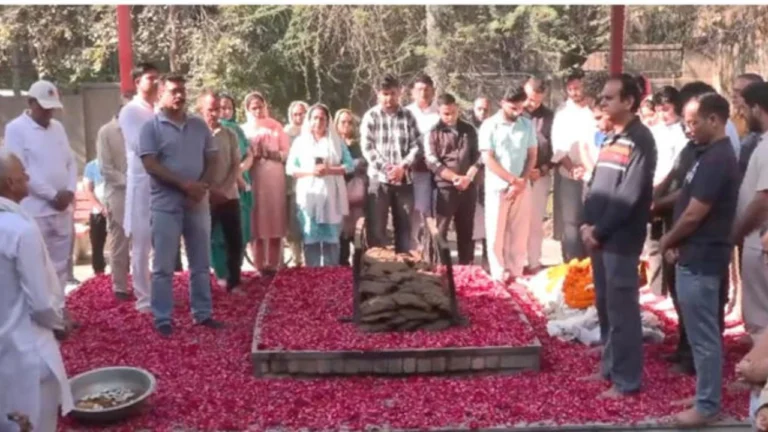
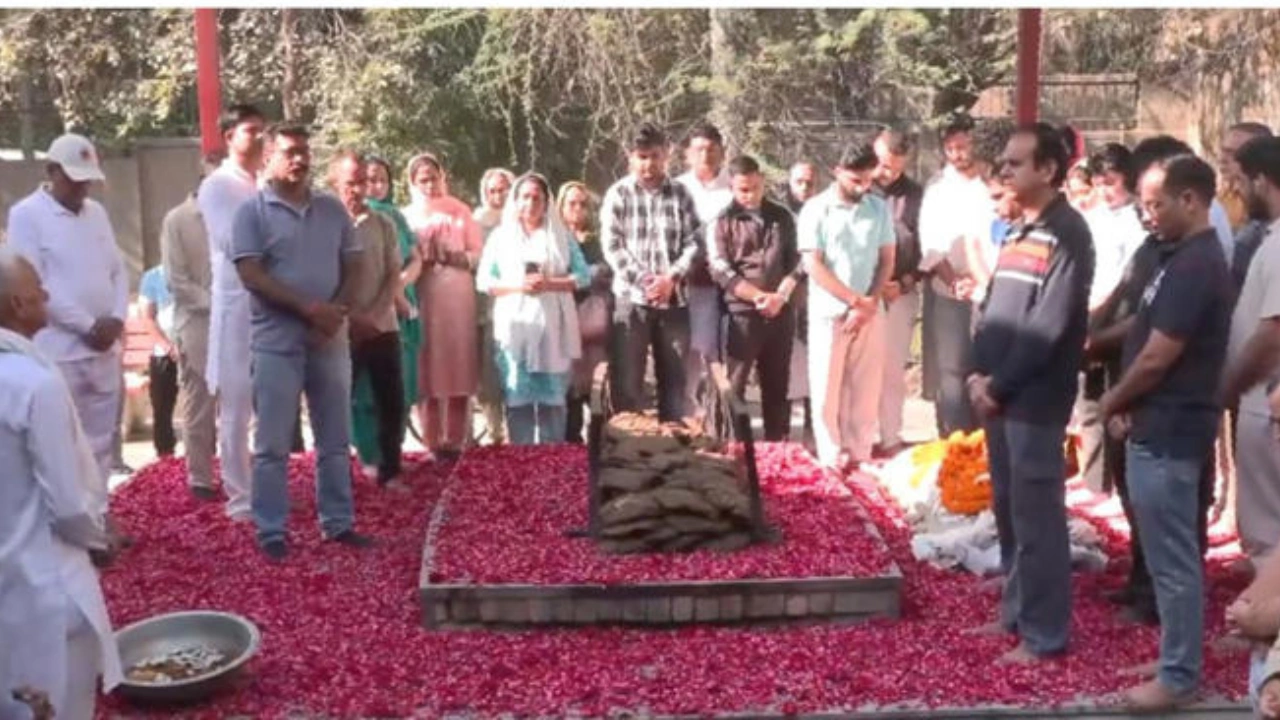
Harish Rana, the first individual in India to be legally granted passive euthanasia, has passed away at All India Institute of Medical Sciences (AIIMS) in New Delhi. His death marks a historic and deeply emotional moment in India’s evolving legal and medical landscape concerning end-of-life care and the right to die with dignity.
Rana, who had been in a persistent vegetative state for over a decade, died on March 24, 2026, at 4:10 PM, according to an official statement issued by AIIMS. He had been under the continuous supervision of a specialised medical team in the Palliative Oncology Unit at the institute’s Institute Rotary Cancer Hospital (IRCH). The team was led by Dr. (Prof.) Seema Mishra, Head of the Department of Onco-Anaesthesia, who oversaw his care during the final phase of his life.
In its statement, AIIMS expressed condolences to Rana’s family, acknowledging both the medical and emotional complexity of his case. The hospital confirmed that he had been receiving dedicated and compassionate care throughout his stay, particularly after the legal approval for withdrawal of life-sustaining treatment.
Rana’s case gained national attention earlier this month when the Supreme Court of India delivered a landmark judgment permitting passive euthanasia in his situation. A bench comprising Justices JB Pardiwala and KV Vishwanathan ruled that continuing artificial life support would not be in his best interest, given the irreversible nature of his condition.
The court allowed the withdrawal of clinically assisted nutrition and hydration (CANH), a critical step in passive euthanasia. Rana had been in a vegetative state since 2013, following a severe accidental fall from a building in Ghaziabad that left him with extensive brain damage and no meaningful chance of recovery.
Passive euthanasia, as defined in legal and medical contexts, involves withholding or withdrawing medical interventions that prolong life when there is no reasonable prospect of improvement. Unlike active euthanasia, it does not involve administering substances to cause death but instead allows the natural course of illness to take its path.
In its ruling, the Supreme Court noted that all stakeholders involved—including Rana’s family members and multiple medical boards—were in agreement that continuing aggressive treatment would serve no meaningful purpose. The bench observed that prolonging life artificially in such circumstances could extend suffering rather than preserve dignity.
While delivering the judgment, the court expressed deep sorrow over the circumstances but emphasised the importance of compassion and patient autonomy. It reiterated that the right to die with dignity is an integral part of the right to life under Article 21 of the Constitution, a principle earlier affirmed in the landmark Common Cause v. Union of India case.
The bench also highlighted a significant gap in India’s legal framework regarding end-of-life care. It pointed out that despite judicial guidelines laid down in previous rulings, there remains no comprehensive legislation governing passive euthanasia and related medical decisions. This absence, the court noted, has repeatedly required judicial intervention in deeply sensitive and complex cases.
Calling for urgent action, the court urged the Union government to enact a clear and comprehensive law that addresses end-of-life care, patient rights, and medical protocols. Such legislation, it observed, would provide clarity to families, doctors, and legal authorities, while ensuring ethical and humane treatment of patients in irreversible conditions.
“The prolonged absence of comprehensive legislation on end-of-life care has compelled this Court, time and again, to step in to fill the vacuum,” the bench remarked. It further added that a dedicated legal framework would bring much-needed certainty to decisions that are often emotionally overwhelming and morally challenging.
Harish Rana’s case is likely to remain a defining moment in India’s legal history, sparking renewed debate on medical ethics, patient autonomy, and the role of the state in regulating end-of-life decisions. His life and death have not only highlighted the human cost of prolonged suffering but also underscored the urgent need for systemic reforms in how such cases are handled.
About the Author