Hormuz Crisis
The ongoing West Asia conflict is entering a more dangerous phase as Gulf nations increasingly urge the United States to take stronger action against Iran, particularly as disruptions in the Strait of Hormuz threaten global oil supplies.
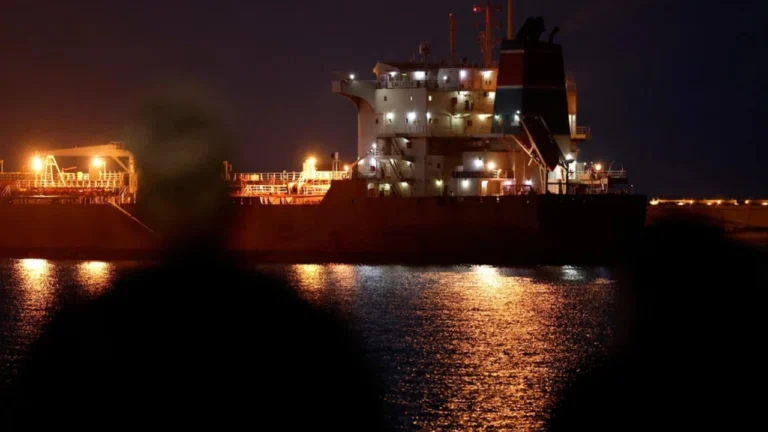
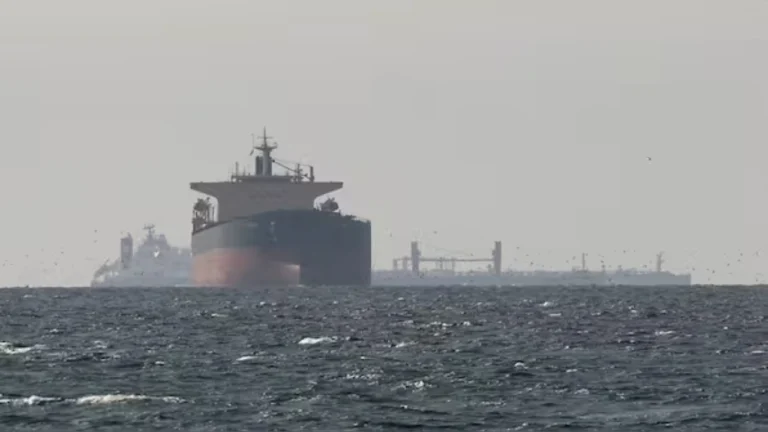
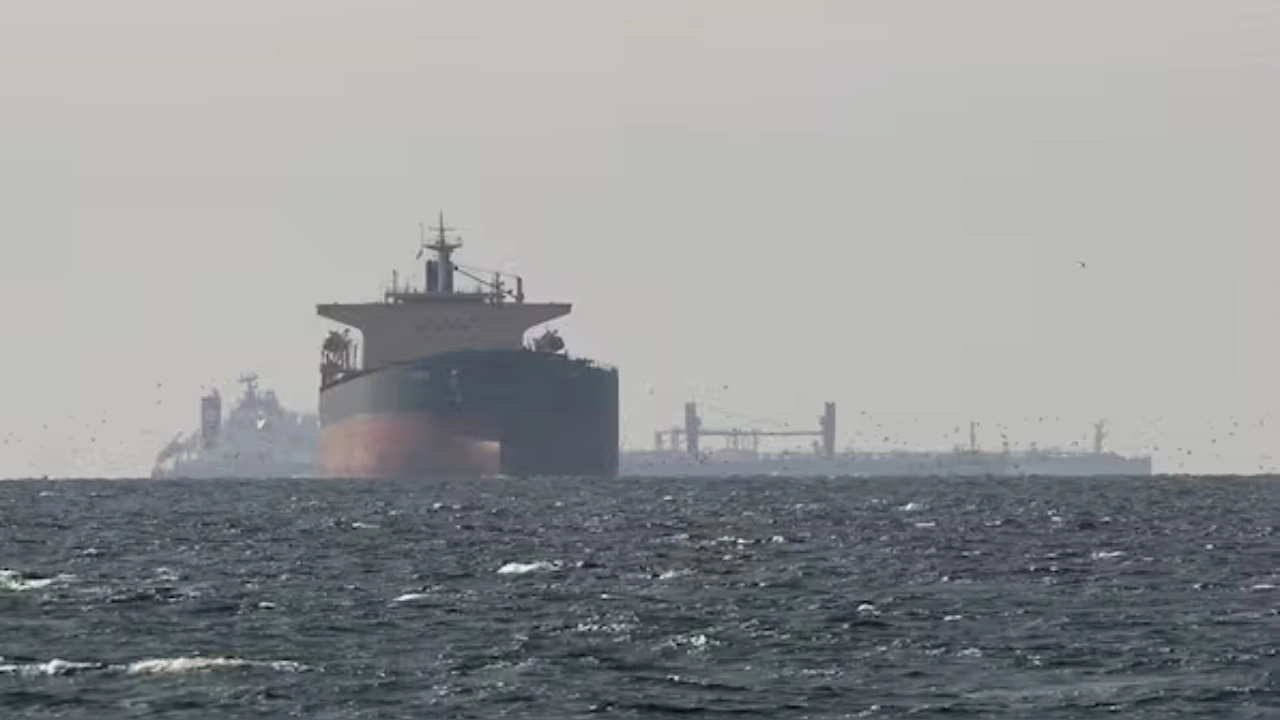
According to a report by Reuters, several Gulf countries—while still avoiding direct military involvement—have conveyed to Washington that any campaign against Tehran must significantly weaken its ability to target critical energy infrastructure and shipping routes. The Strait of Hormuz remains one of the most vital oil transit chokepoints in the world, and any instability there has far-reaching global consequences.
Initially, Gulf leaders were hesitant to support military escalation. However, recent developments appear to have shifted their stance. Officials now fear that a limited or inconclusive outcome could embolden Iran to continue threatening oil routes and regional stability. The growing concern is that Tehran could retain enough military capability to disrupt energy flows whenever tensions rise.
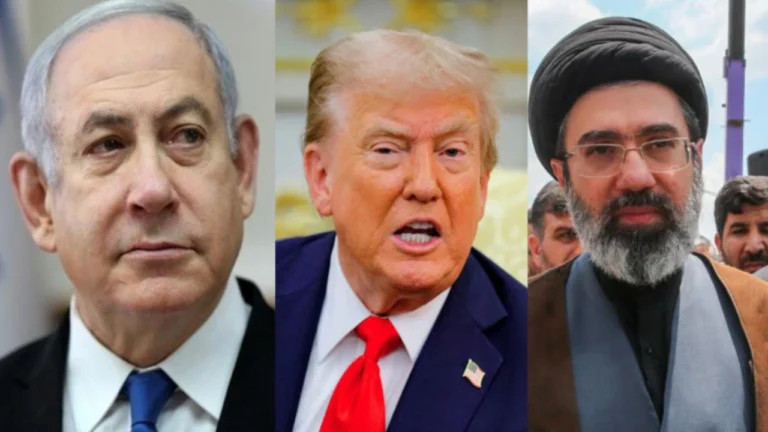
At the same time, Donald Trump is reportedly seeking visible regional backing for the US campaign. Such support, analysts suggest, would strengthen his international position and bolster domestic approval. However, Gulf nations remain cautious, balancing their security concerns with the risks of being drawn into a full-scale war.
Reports indicate that Trump had been warned prior to the conflict that any strike on Iran could trigger retaliation against US allies in the Gulf. While the extent of Iran’s response was uncertain, intelligence assessments had already flagged retaliation as a likely possibility. Despite this, the situation has escalated rapidly, with Iranian strikes targeting key locations across the region.
Abdulaziz Sager, chairman of the Saudi-based Gulf Research Center, highlighted a noticeable shift in regional sentiment. He noted that Gulf countries initially opposed war and even sought to defend Iran diplomatically. However, direct attacks on their infrastructure have hardened their stance.
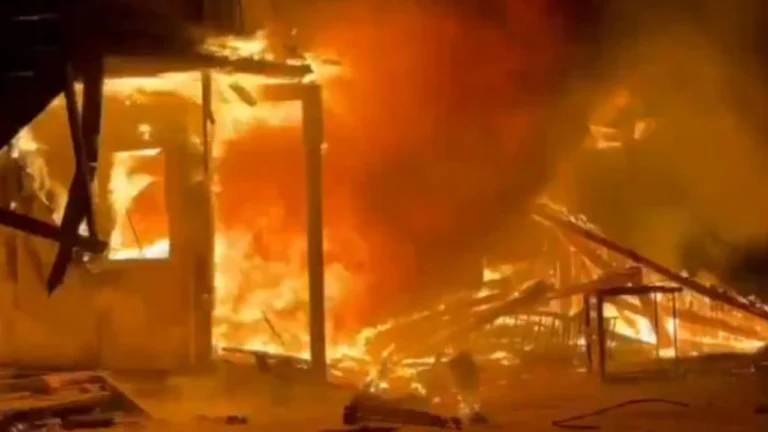
Across the Gulf, countries including Saudi Arabia, United Arab Emirates, Qatar, Kuwait, Bahrain, and Oman have reported attacks on airports, oil installations, ports, and commercial hubs. These incidents, combined with disruptions to shipping lanes, have intensified fears about long-term economic and security risks.
Despite growing frustration, Gulf states are not rushing into unilateral military action. Diplomats suggest that any involvement would require a coordinated, collective approach to avoid exposing individual countries to retaliation. So far, such a unified military strategy has not materialized.
Among the Gulf nations, the United Arab Emirates has publicly responded, stating that it does not wish to be pulled into escalating conflict but will take all necessary steps to protect its sovereignty and ensure the safety of its residents.
The region’s anxiety is also shaped by past incidents. Notably, the 2019 attacks on Saudi oil facilities at Abqaiq and Khurais—widely attributed to Iran, though denied by Tehran—had a significant impact on global oil markets by temporarily halving Saudi production. That episode remains a stark reminder of the vulnerabilities facing Gulf energy infrastructure.
As the conflict enters its third week, military operations have intensified. The United States and Israel have stepped up airstrikes, while Iran has responded with attacks on US bases and civilian targets across the Gulf. The risk of a broader regional war is now higher than ever.
Experts warn that Iran’s demonstrated ability to disrupt shipping through the Strait of Hormuz has fundamentally altered the region’s security dynamics. For Gulf nations, the stakes go beyond immediate safety concerns—they now include long-term economic stability and control over global energy supply chains.
Meanwhile, the war between Iran and Israel has entered its 18th day, with both sides escalating military operations and rhetoric. Trump has reiterated calls for international cooperation to keep the Strait of Hormuz open, even as some US allies remain reluctant to get directly involved.
Recent developments have further underscored the volatility of the situation. Drone strikes near Dubai airport caused flight disruptions, while multiple explosions were reported in Tehran, signaling an intensification of hostilities.
Analysts believe Gulf nations now face a difficult balancing act—countering what they perceive as a growing Iranian threat while avoiding being drawn into a prolonged and potentially devastating war. However, with energy security at stake, inaction may no longer be a viable option.
About the Author