Strait of Hormuz
Amid rising geopolitical tensions in West Asia, several Gulf countries are actively exploring alternative oil transport routes to reduce their dependence on the strategically critical Strait of Hormuz. The move comes as concerns grow over potential disruptions linked to Iran’s influence in the region.
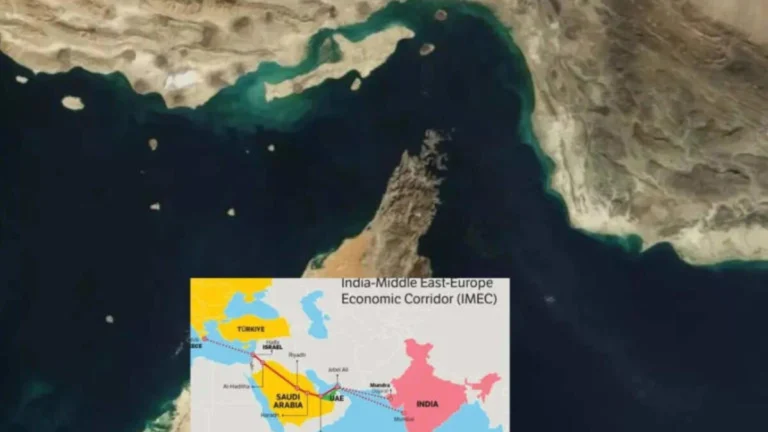
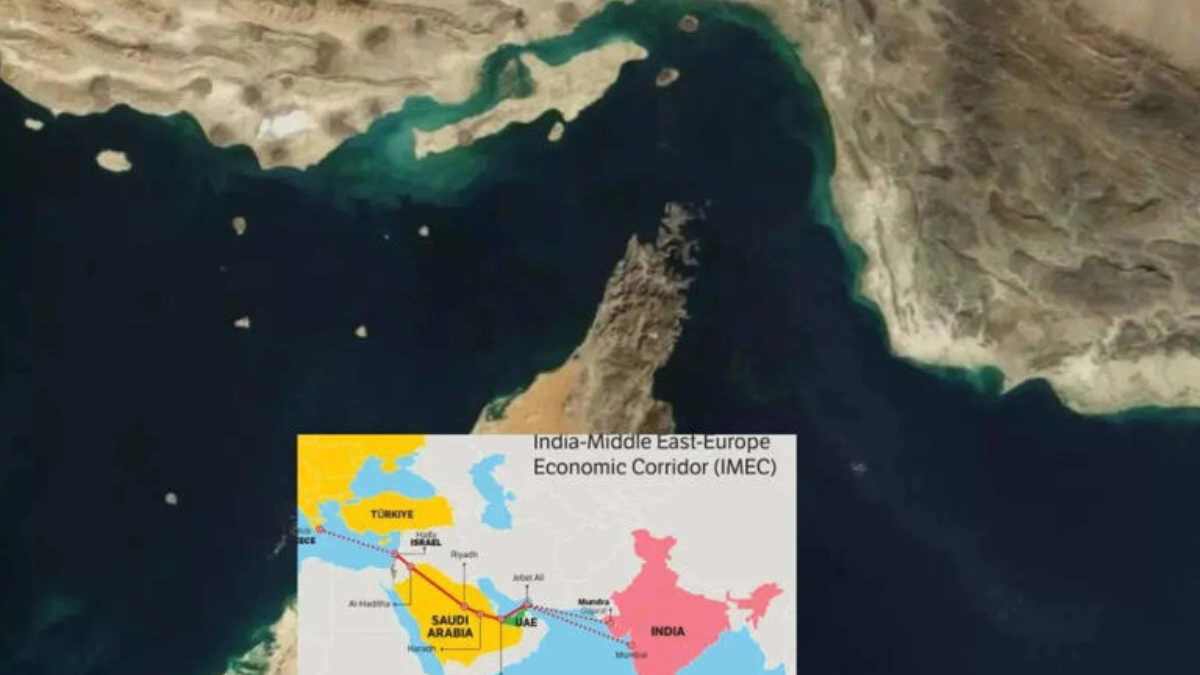
According to recent reports, policymakers and energy industry leaders believe that developing new pipelines and transport corridors may be the most viable long-term solution to ensure uninterrupted oil exports. Among the key proposals under discussion is the ambitious India-Middle East-Europe Economic Corridor (IMEC), which has gained renewed attention in global strategic circles.
Why the Shift Away from Hormuz?
The Strait of Hormuz has long served as a vital artery for global oil shipments, carrying a significant portion of the world’s crude supply. However, its narrow geography makes it highly vulnerable to geopolitical conflicts. Any disruption in this corridor could severely impact global energy markets within a short time.
To mitigate such risks, Gulf nations are now considering diversified export routes that bypass this chokepoint entirely. The goal is to ensure stability in oil supply chains, even during periods of heightened regional tension.
Saudi Arabia’s Strategic Edge
Saudi Arabia is already ahead in this strategy, thanks to its East-West pipeline. This infrastructure allows the country to transport oil from its eastern oil fields directly to the Red Sea, effectively avoiding the Strait of Hormuz.
Energy experts now view this pipeline as a forward-thinking investment that has strengthened Saudi Arabia’s export resilience. It has allowed the kingdom to maintain steady oil flows even during uncertain times in the Gulf.
New Routes Through the Mediterranean
One of the more ambitious proposals under consideration involves extending oil transport networks from the Arabian Peninsula to the Mediterranean Sea, potentially via Port of Haifa in Israel. This route would provide direct access to European markets without passing through Hormuz.
However, these plans are complex and involve geopolitical sensitivities. Aligning the interests of multiple nations, especially regarding Israel’s role in such a network, remains a significant challenge.
Beyond pipelines, discussions also include building integrated infrastructure systems combining railways, roads, and ports to create a flexible and multi-layered export network.
IMEC Gains Momentum
At the centre of these discussions is the India-Middle East-Europe Economic Corridor, a major initiative backed by the United States and supported by several regional powers. The corridor aims to connect India to Europe through a network of ports, railways, and energy pipelines across the Middle East.
The project was first announced during the G20 Summit held in New Delhi in 2023 and has since been viewed as a transformative economic and strategic initiative.
Narendra Modi has been a strong advocate of IMEC, emphasizing the need for enhanced connectivity and cooperation among participating nations. During his recent diplomatic engagements, he reiterated the importance of strengthening such partnerships.
Global Leaders Back Alternative Routes
Support for diversifying oil transport routes is growing among global leaders. Benjamin Netanyahu has openly supported the idea of rerouting energy supplies westward, arguing that long-term stability depends on reducing reliance on vulnerable chokepoints like Hormuz.
He highlighted that while military interventions may offer temporary solutions, infrastructure development provides lasting security.
Meanwhile, Donald Trump has urged countries dependent on Hormuz to take proactive steps to secure the route. In a recent address, he called on nations to “protect and control” critical shipping lanes while assuring continued US support for its allies in the region.
A Strategic Shift in Energy Logistics
The growing focus on alternative oil routes reflects a broader transformation in global energy logistics. With geopolitical risks becoming more pronounced, countries are prioritizing resilience and diversification in their supply chains.
If implemented successfully, these new routes—including IMEC—could significantly reshape global trade and energy flows, reducing dependence on traditional chokepoints and enhancing long-term stability.
For India, the development of such corridors presents a strategic opportunity to strengthen its role in global trade while securing more reliable energy supply lines.
About the Author