Delhi Budget 2026
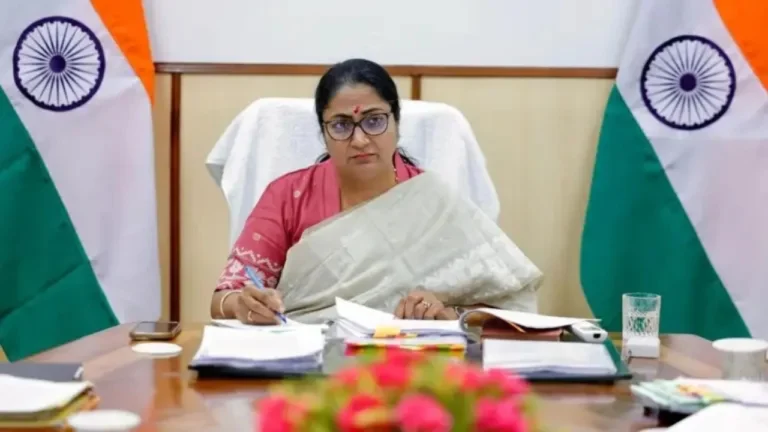
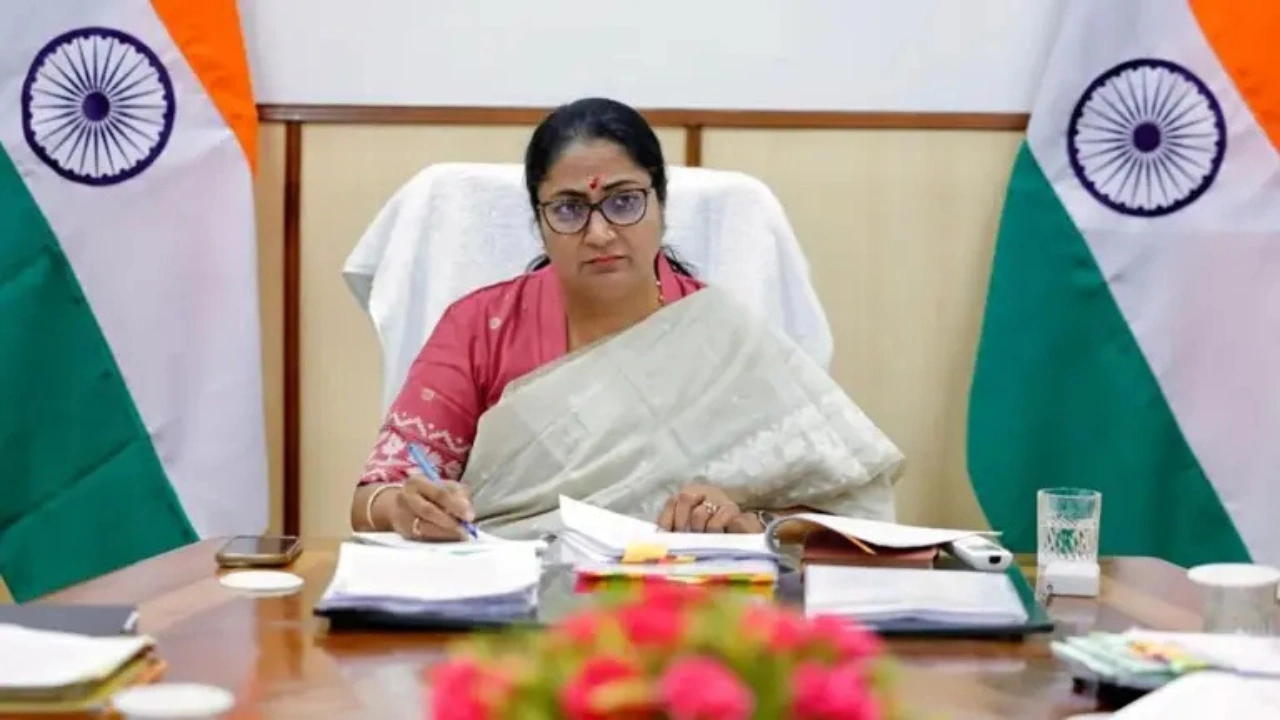
Delhi Budget 2026: The Delhi Government has unveiled an ambitious and people-centric budget for 2026, focusing heavily on infrastructure development, environmental sustainability, and public welfare. Presented by Chief Minister Rekha Gupta, the budget has been described as a “green budget,” highlighting the administration’s intent to balance development with environmental responsibility.
One of the most notable announcements is the provision of two free LPG cylinders annually for every household—one during Holi and another on Diwali. This move aims to provide financial relief to families while also encouraging the use of cleaner cooking fuel.
Alongside welfare measures, the government has outlined several major infrastructure projects designed to improve road conditions, reduce traffic congestion, and enhance the overall quality of life in the national capital.
Strong Focus on a Green Budget
A significant portion of the budget—around 21 percent—has been allocated to environmental protection and pollution control initiatives. These measures include increasing green cover, promoting eco-friendly infrastructure, and implementing strategies to reduce air pollution levels in Delhi. The government’s approach reflects a growing urgency to tackle environmental challenges in one of the world’s most polluted cities.
Major Funding Boost for Civic Bodies
The Municipal Corporation has received a substantial allocation of ₹11,666 crore. This funding will be directed toward improving essential urban services such as sanitation, road maintenance, and street lighting. The move is expected to strengthen local governance and improve everyday civic amenities for residents.
Extra Push for Road Development
To further improve road infrastructure, an additional ₹1,000 crore has been earmarked specifically for repairing and upgrading roads across the city. This includes both major arterial roads and smaller internal streets, ensuring smoother connectivity and better commuting experiences for citizens.
Dust-Free Roads Initiative
In a bid to tackle pollution caused by road dust, the government has allocated ₹1,392 crore to upgrade more than 700 kilometers of roads. This initiative focuses on improving road quality and implementing measures to minimize dust emissions, which are a major contributor to air pollution in Delhi.
New Flyovers and Elevated Corridors
Traffic congestion remains a persistent challenge in Delhi, and the government plans to address this by constructing new flyovers and elevated corridors. These projects are aimed at reducing travel time, easing bottlenecks, and ensuring a smoother flow of traffic across key routes.
Bhajanpura–Yamuna Vihar Double-Decker Flyover
A key highlight of the infrastructure plan is the fast-tracking of the Bhajanpura–Yamuna Vihar double-decker flyover. This project is expected to significantly reduce congestion in East Delhi, a region that has long struggled with traffic issues. Once completed, it will provide a major boost to connectivity and commuter convenience.
Improving Urban Mobility
Beyond flyovers, the budget also emphasizes improving overall urban mobility. Better road planning, upgraded intersections, and modern traffic management systems are expected to be part of the broader strategy to make commuting more efficient and less stressful.
Balancing Growth and Sustainability
What sets this budget apart is its dual focus on development and sustainability. While infrastructure projects aim to modernize the city, environmental initiatives ensure that growth does not come at the cost of ecological balance. The “green budget” approach reflects a long-term vision for a cleaner and more livable Delhi.
Relief for Households
The announcement of free LPG cylinders during major festivals is expected to bring immediate financial relief to households. It also aligns with the government’s push toward cleaner energy sources, reducing dependence on traditional fuels that contribute to indoor pollution.
A Comprehensive Urban Plan
Overall, the Delhi Budget 2026 presents a comprehensive roadmap for the city’s future. By combining infrastructure expansion, environmental protection, and social welfare measures, the government aims to address both immediate concerns and long-term challenges.
As these projects move from planning to execution, their success will play a crucial role in shaping Delhi’s urban landscape and improving the daily lives of millions of residents.
About the Author