5 Kg LPG Cylinder
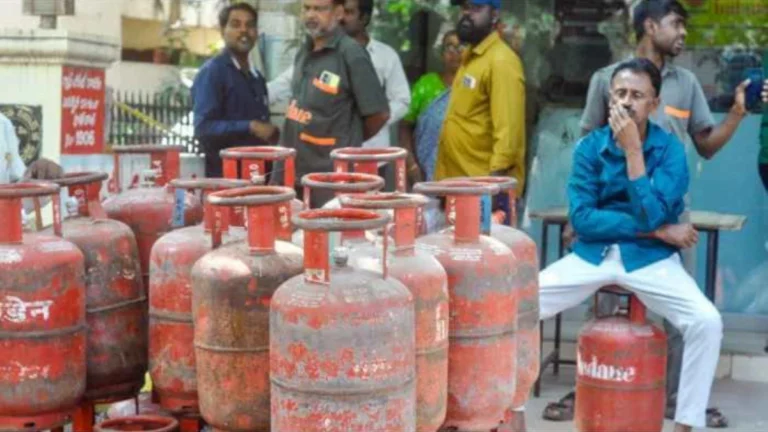
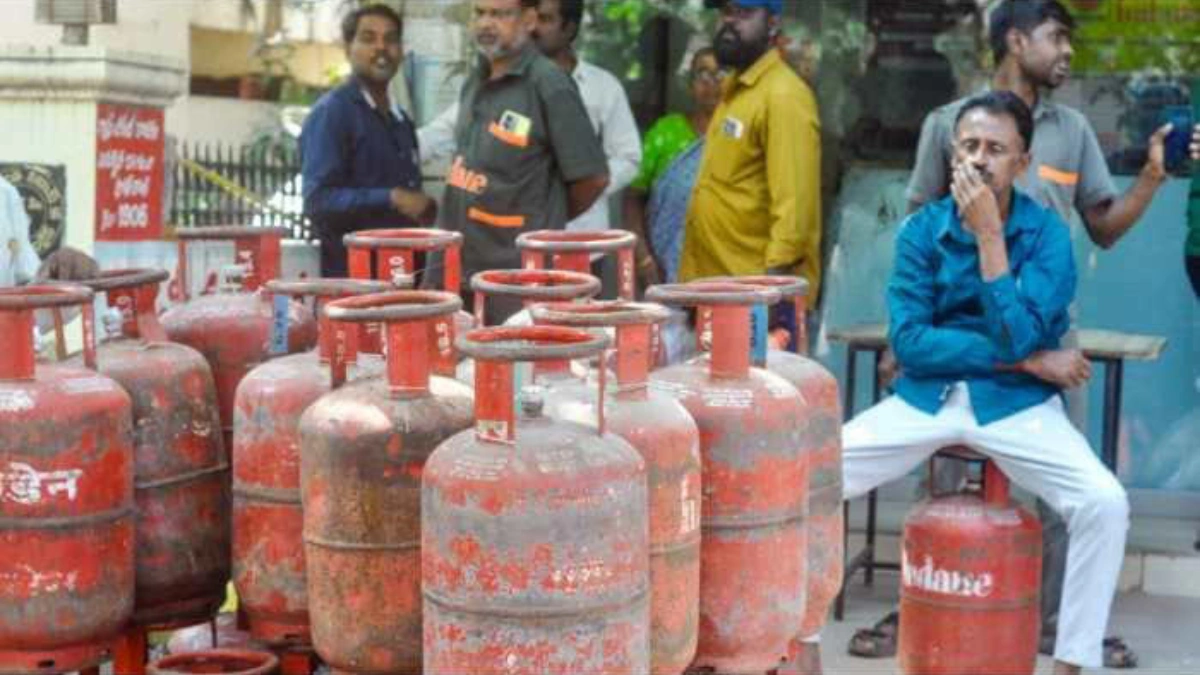
In a significant relief for consumers, especially migrant workers and those without permanent documentation, the Ministry of Petroleum and Natural Gas has announced that 5 kg LPG cylinders can now be purchased without the need for address proof. Buyers only need to show a valid identity card to access these smaller cylinders, which are being made widely available across LPG distributorships.
This decision comes at a time when global energy markets are under pressure due to rising tensions in West Asia and concerns over disruptions in key oil transit routes such as the Strait of Hormuz. The Indian government has moved swiftly to ensure that domestic fuel supply remains stable and accessible, even as international uncertainties loom large.
According to officials, the 5 kg Free Trade LPG (FTL) cylinders are specifically being promoted as an emergency solution for cooking gas needs. These cylinders are smaller, more portable, and easier to access compared to regular domestic LPG connections, making them particularly useful for individuals who may not have permanent residences or proper address documentation.
The ministry clarified that this move is designed to improve inclusivity in fuel access. Migrant workers, students, and people living in temporary accommodations often struggle to provide local address proof when applying for LPG connections. By removing this requirement for 5 kg cylinders, the government aims to ensure that no one is left without access to essential cooking fuel during uncertain times.
The response to this initiative has already been strong. Since March 23, nearly 5.7 lakh 5 kg LPG cylinders have been sold across the country. On a single recent day, over 71,000 units were purchased, indicating both high demand and the effectiveness of the policy in reaching consumers quickly.
Despite reports of long queues and panic buying at some petrol pumps, the government has firmly stated that there is no shortage of petrol, diesel, or LPG in the country. Authorities have urged citizens to remain calm and avoid unnecessary stockpiling, emphasizing that all fuel retail outlets are operating normally and have adequate supplies.
To further strengthen supply stability, multiple steps have been taken on the production and distribution front. Domestic LPG production has been ramped up, and refineries are functioning at high capacity to meet demand. The government has also prioritized fuel allocation for critical sectors such as households, hospitals, and other essential services to ensure uninterrupted access.
In addition to supply-side measures, demand management strategies are also being implemented. The LPG booking cycle has been extended to prevent over-ordering, while consumers are being encouraged to explore alternative energy options such as piped natural gas (PNG), kerosene, and electric cooking appliances. State governments have been advised to expedite the rollout of new PNG connections for both residential and commercial users.
Another key focus area has been curbing illegal practices such as hoarding and black marketing. Authorities have intensified monitoring efforts, conducting more than 3,700 raids across various regions. Strict action has been taken against violators, including the suspension of licenses of LPG distributors found guilty of malpractice.
State governments have also been empowered under the Essential Commodities Act to take swift action against any violations related to fuel supply. They have been directed to carry out regular inspections, ensure transparency, and keep the public informed through timely briefings.
Overall, the government’s proactive approach aims to maintain a steady and fair distribution of fuel resources during a period of global uncertainty. By simplifying access to 5 kg LPG cylinders and reinforcing supply chains, authorities are trying to strike a balance between availability and affordability.
For millions of Indians, particularly those in vulnerable or mobile living situations, this move could prove to be a crucial lifeline—ensuring that access to basic cooking fuel remains uninterrupted, regardless of documentation challenges or external geopolitical developments.
About the Author