Wine is more than just a beverage—it is a cultural symbol, a historical artifact, and an expression of the land where it is produced. Across continents and climates, vineyards have shaped local traditions, economies, and lifestyles for centuries. From the rolling hills of Europe to the sun-drenched valleys of the Americas and the emerging vineyards of the Southern Hemisphere, the world’s legendary wine regions tell stories through every bottle. Exploring these regions reveals how geography, climate, and human passion come together to create some of the finest wines on earth.
The Timeless Elegance of France
When people think of wine, France is often the first country that comes to mind. Its regions have defined wine culture for hundreds of years and continue to influence winemaking around the globe.
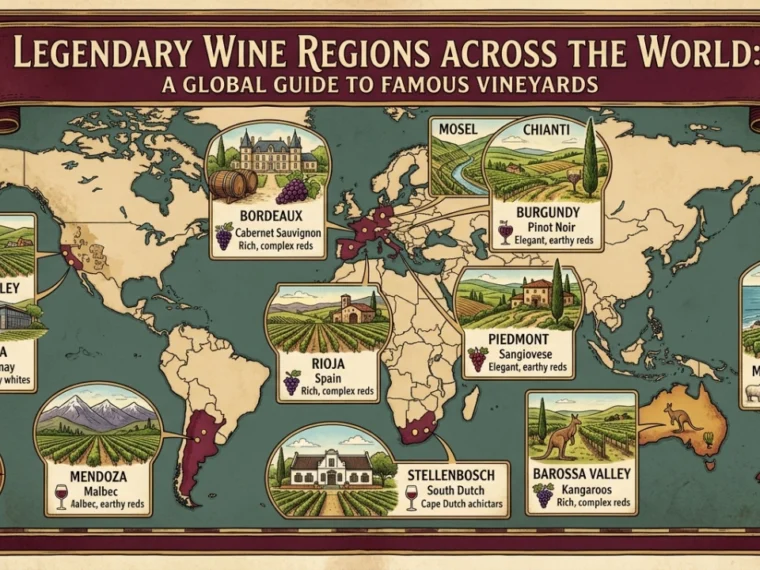
Bordeaux, located in southwestern France, is known for producing some of the most prestigious red wines in the world. Cabernet Sauvignon and Merlot dominate this region, creating complex blends celebrated for their depth, structure, and aging potential. Many of the world’s most expensive and collectible wines originate here.
Another legendary French region is Burgundy. Unlike Bordeaux’s blends, Burgundy focuses on single grape varieties. Pinot Noir produces elegant red wines, while Chardonnay creates refined white wines that showcase the region’s unique soils. Burgundy’s concept of “terroir”—the relationship between land, climate, and grapes—has become a guiding philosophy in modern winemaking.
Meanwhile, Champagne represents celebration itself. Only sparkling wines produced in this region using strict methods can legally be called Champagne. The cool climate and chalky soil contribute to the crisp acidity and delicate bubbles that make this wine famous worldwide.
Italy: Tradition Meets Diversity
Italy is one of the world’s oldest wine-producing countries, with vineyards dating back thousands of years. The country’s diverse landscapes—from coastal plains to mountainous terrains—create ideal conditions for a wide range of grapes.
Tuscany is perhaps Italy’s most iconic wine region. Rolling hills dotted with cypress trees and medieval towns provide the perfect backdrop for vineyards producing Sangiovese-based wines. Chianti and Brunello di Montalcino are two standout wines that showcase the region’s balance of fruit, acidity, and structure.
Further north, Piedmont offers another exceptional wine experience. Known for the Nebbiolo grape, this region produces powerful and aromatic wines like Barolo and Barbaresco. These wines are prized for their complexity, floral notes, and remarkable aging potential.
Italy’s wine culture also emphasizes food pairing. Many Italian wines are crafted with meals in mind, making them versatile companions to pasta, cheeses, and regional dishes.
Spain: Bold Flavors and Rich Heritage
Spain combines centuries of winemaking tradition with modern innovation. The country’s varied climate zones—from Mediterranean coasts to high-altitude plateaus—allow for a diverse selection of wines.
Rioja stands out as Spain’s most famous wine region. Known primarily for Tempranillo-based red wines, Rioja produces bottles that range from fresh and fruity to deeply aged and complex. Oak aging is a hallmark of Rioja wines, giving them notes of vanilla, spice, and toasted wood.
Another rising star is Ribera del Duero, where bold, full-bodied reds thrive in the region’s extreme temperature shifts. The result is wines with concentrated flavors and strong structure, often compared to some of the best reds in the world.
Spain also produces excellent sparkling wines called Cava, mainly from the Catalonia region. Made using the traditional method similar to Champagne, Cava offers high quality and value, making it popular with wine lovers everywhere.
The New World: Innovation and Exploration
While Europe established the foundation of wine culture, the “New World” has brought fresh ideas and experimentation to the industry.
California’s Napa Valley is one of the most recognized wine regions outside Europe. Known especially for Cabernet Sauvignon, Napa produces powerful wines with rich fruit flavors and polished tannins. The region’s success has helped place American wines firmly on the global map.
South America has also emerged as a major player. Argentina’s Mendoza region is famous for Malbec, a grape that thrives in the high-altitude vineyards near the Andes Mountains. These wines are known for their deep color, bold fruit flavors, and smooth texture.
Meanwhile, Chile’s Central Valley produces outstanding wines thanks to its stable climate and natural geographic barriers. Cabernet Sauvignon, Carmenère, and Sauvignon Blanc are among the most celebrated varieties from this region.
Australia and Beyond
Australia’s wine industry has gained international recognition for its bold and expressive wines. The Barossa Valley stands out for producing powerful Shiraz wines known for their rich fruit flavors and spicy character.
New Zealand, though smaller in production, has become globally famous for Sauvignon Blanc from the Marlborough region. These wines are vibrant, aromatic, and full of citrus and tropical fruit notes.
Emerging regions in South Africa, Portugal, and even parts of Asia are also gaining attention. These areas combine traditional methods with modern techniques, creating unique wines that reflect their distinctive landscapes.
A Global Story in Every Bottle
Wine regions around the world are more than just places where grapes are grown. They represent centuries of tradition, cultural pride, and agricultural craftsmanship. Each region carries its own identity shaped by soil, climate, and human dedication.
Whether it is the historic vineyards of Europe or the innovative wineries of the New World, the diversity of global wine regions ensures that there is always something new to discover. For wine lovers and curious travelers alike, exploring these legendary regions offers a deeper appreciation of how nature and tradition blend together to create one of humanity’s oldest and most cherished drinks.
In every glass of wine, there is a story of land, time, and passion waiting to be experienced.