Japan rare earth discovery
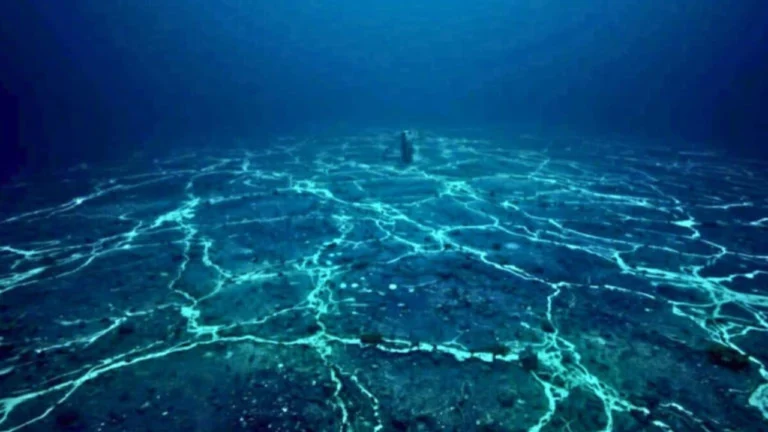
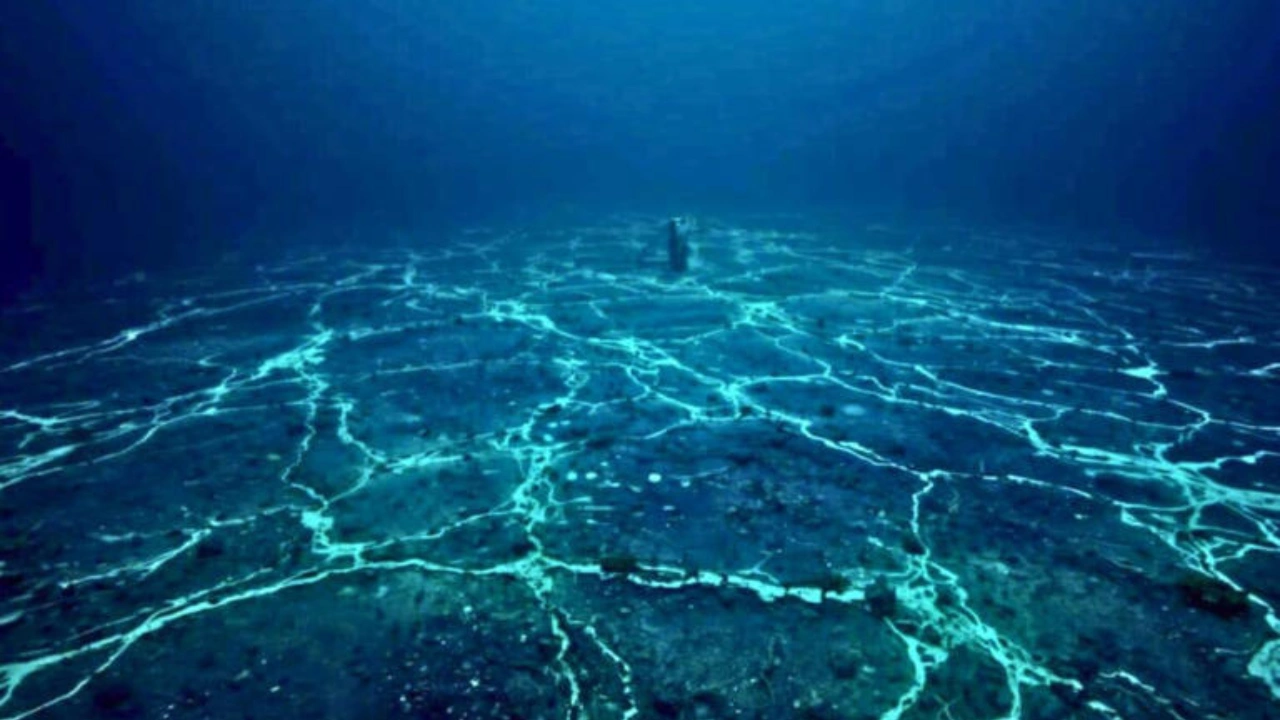
Japan rare earth discovery: Japan has taken a significant step toward securing its own supply of critical minerals after successfully retrieving rare earth-rich sediment from nearly 6,000 meters below the Pacific Ocean. The groundbreaking operation was carried out near Minamitorishima, a remote island located south of Tokyo, using the advanced deep-sea research vessel Chikyu.
The mission marks a major technological achievement, as officials described it as the first successful recovery of such materials from this extreme depth. The operation began in January, with the vessel deploying specialized drilling equipment to the ocean floor. By early February, samples of mud believed to contain rare earth elements were successfully collected and brought to the surface for further analysis.
Japan’s leadership has hailed the development as an important milestone. Officials emphasized that this initial success represents a crucial step toward potentially developing domestic sources of rare earth materials. These elements are essential for a wide range of industries, including electric vehicles, renewable energy technologies, and defense systems.
A Resource Years in the Making
The discovery did not come as a surprise to researchers. Surveys conducted in the 2010s had already identified the presence of rare earth-rich mud in the waters surrounding Minamitorishima. Estimates suggest that the area could hold more than 16 million tonnes of these valuable resources, placing it among the largest known reserves globally.
This potential has drawn international attention, particularly because rare earth elements are critical for modern technologies such as high-performance magnets and advanced electronics. Currently, global supply chains for these materials are heavily concentrated, making new sources highly strategic.
What Has Been Confirmed So Far
While the successful retrieval is a major achievement, Japanese officials have been cautious about making broader claims. The collected samples are still undergoing detailed analysis to determine the exact concentration and composition of rare earth elements.
At this stage, the confirmed development is the recovery of sediment containing rare earth materials from a record depth. However, it remains unclear whether large-scale extraction is technically feasible or economically viable. No official timeline has been announced for commercial mining operations.
Strategic Importance and Supply Security
Japan’s push to explore deep-sea resources is closely linked to concerns about supply chain stability. The country relies heavily on imports for rare earth elements, with a significant portion sourced from a single dominant supplier. This dependency has raised concerns about potential disruptions, especially in times of geopolitical tension.
To address this, Japan has been actively working to diversify its supply sources. The deep-sea exploration project is part of a broader strategy aimed at strengthening economic security and reducing reliance on external suppliers. Recent collaborations with international partners further highlight the urgency of securing stable access to critical minerals.
Challenges Ahead
Despite the excitement surrounding the discovery, experts caution that moving from exploration to full-scale production is a complex process. Extracting minerals from such extreme depths presents significant technical challenges, including the development of cost-effective mining, processing, and refining methods.
Environmental concerns also remain a key consideration. Deep-sea mining could have unknown impacts on marine ecosystems, and any future operations will likely face strict regulatory scrutiny.
From Discovery to Reality
For now, the focus remains on research and feasibility studies. The successful sample recovery demonstrates that accessing these deep-sea resources is possible, but turning this potential into a reliable supply will require further innovation and investment.
While some reports have highlighted the possibility that these reserves could meet global demand for centuries, officials have not confirmed such projections. The priority at this stage is understanding the scale, quality, and practicality of extraction.
Japan’s latest achievement underscores both the promise and complexity of deep-sea resource development. If successfully developed, these deposits could play a crucial role in shaping the future of global supply chains for critical minerals.
About the Author