
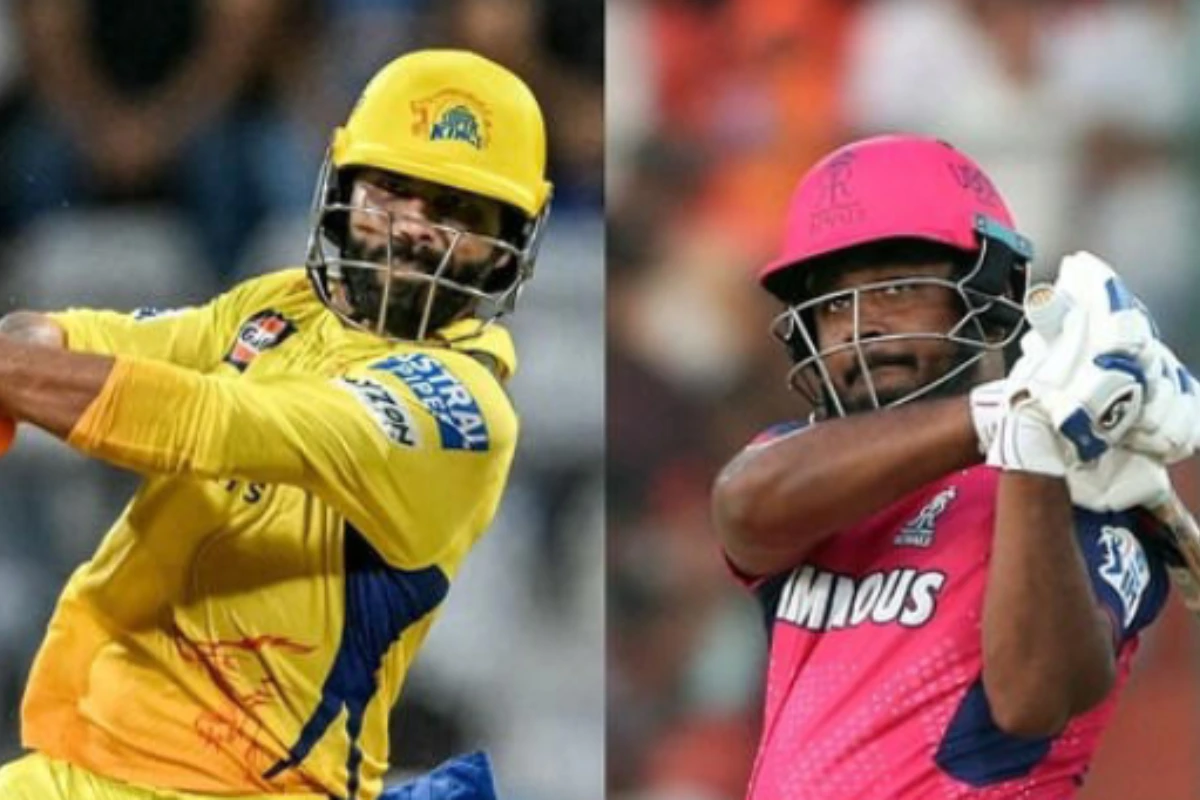
The possibility of Chennai Super Kings (CSK) and Rajasthan Royals (RR) pulling off one of the biggest trades in IPL history has sent shockwaves through the cricket world. Reports suggest a potential three-way deal involving Ravindra Jadeja, Sanju Samson, and England all-rounder Sam Curran.
If finalized, this would not just be another transfer — it could reshape the identity of both franchises. Jadeja, one of CSK’s longest-serving players, possibly leaving the yellow jersey, and Sanju Samson, RR’s captain, heading south to become the new face of CSK, is a storyline rich with drama. But behind the headlines lies a far more complex process — the intricate legal and regulatory maze of the IPL trade system.
Understanding the IPL Trade Process
While fans are buzzing about the emotional and strategic aspects, IPL trades are strictly governed by the Board of Control for Cricket in India (BCCI). The IPL’s trade rules ensure that every move follows proper procedure, balancing team interests, player rights, and salary regulations.
Here’s how the reported Jadeja–Samson–Curran swap would need to pass through the system.
1. The “No-Trade” Rule
According to IPL guidelines, a player bought in the most recent auction cannot be traded before the following season. This means the proposed deal is only being considered for IPL 2026.
Both Jadeja and Samson are currently retained players, each drawing around INR 18 crore, while Curran was purchased for INR 2.4 crore. With the one-season waiting period now over, Curran is eligible to be part of a trade, paving the way for discussions between CSK and RR.
2. Expression of Interest (EOI) — The First Step
Every trade begins when a franchise sends an Expression of Interest (EOI) to the BCCI, listing players they wish to acquire from other teams. The BCCI then informs the players’ current franchise, which has 48 hours to decide whether it’s open to negotiations.
Reports indicate that both CSK and RR have initiated this process. However, the final approval and documentation are still pending, keeping fans on edge.
3. Player Consent Is Mandatory
A crucial part of the IPL trade process is the player’s consent. Once both franchises agree in principle, the concerned players — in this case, Jadeja, Samson, and Curran — must sign a Consent Form confirming their willingness to move.
They must also agree on how any Negotiated Increase in their League Fee will be split between themselves and their current team. According to several reports, all three players have already provided consent, meaning the trade is currently in an advanced stage of discussion.
4. Salary Cap and Financial Rules
The IPL’s financial structure ensures that trades do not distort the overall salary cap. When a player is traded, the buying franchise’s cap is debited by the full League Fee of the incoming player (assuming full availability), but any additional financial exchange between teams remains outside the cap.
If this deal goes through, CSK could potentially gain salary cap flexibility by swapping Jadeja for Samson, while RR might face tighter financial limits after adding Curran’s cost to their balance.
5. Overseas Player Complication
One of the biggest hurdles lies in Sam Curran’s overseas status. Since he’s an England international, RR would need to:
-
Secure a No-Objection Certificate (NOC) from the England and Wales Cricket Board (ECB).
-
Ensure they have an available overseas slot in the playing squad.
-
Maintain sufficient purse balance to cover Curran’s contract.
Sources suggest that RR’s overseas quota is currently full and their budget stretched — key reasons why the blockbuster trade remains on hold.
6. Final BCCI Approval
Even after all internal agreements are in place, the trade remains unofficial until the BCCI formally approves and announces it publicly. Only then does it become a confirmed transaction under IPL law.
Until that happens, the Jadeja–Samson–Curran trade stands as the most dramatic “almost deal” in IPL history — a clash of emotion, franchise strategy, and fine print that captures the very essence of modern cricket business.