
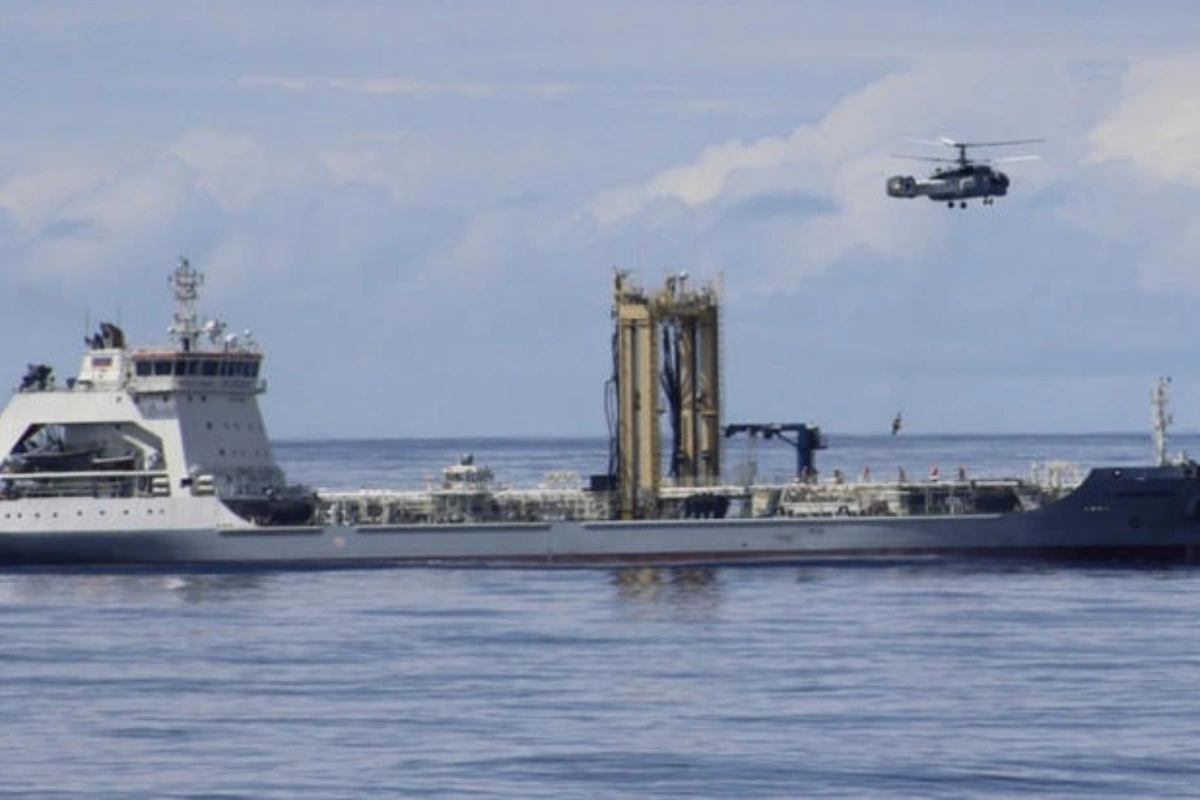
The United States’ dramatic interception of a Russian-flagged oil tanker in the North Atlantic has sparked a fierce backlash from Moscow, with senior Russian officials issuing stark threats of military — including nuclear — retaliation. The seizure of the vessel, now identified as the Marinera, occurred in international waters between Iceland and Scotland in a joint operation backed by British surveillance and support.
The tanker had previously operated under the name Bella 1, and US authorities say it was linked to a “shadow fleet” of vessels moving Iranian and Venezuelan crude to evade sanctions. After a prolonged multinational chase, US forces detained the vessel on January 7, asserting that it violated American sanctions and posed a threat to international security.
Moscow Condemns Seizure as Illegal
Russia reacted angrily. Officials condemned the seizure as a violation of maritime law and accused the United States of “piracy” for using force against a ship flying the Russian flag. The Russian Transport Ministry underscored that the tanker had been granted a temporary permit to sail under Russia’s flag in late December, arguing Washington had no legal basis to board the vessel on the high seas.
Russia has demanded the humane treatment and prompt repatriation of the tanker’s crew, while also maintaining that international conventions protect vessels registered to a sovereign state from unilateral interdiction.
Escalatory Rhetoric From Russian Lawmakers
In an unusually aggressive response, a senior Russian legislator suggested that Moscow’s military doctrine allows the use of nuclear weapons in circumstances where the nation’s vital interests are threatened. The lawmaker also implied that Russia could target US maritime assets in retaliation, describing the seizure as equivalent to an attack on Russian territory.
This tone reflects a broader trend of nuclear deterrence rhetoric that Kremlin policymakers have increasingly referenced during geopolitical flashpoints, a tool analysts say is meant to signal resolve and deter adversaries. Still, some experts fear such language could bleed from political posturing into public dialogue, raising the specter of miscalculation.
Western Justification and Response
British officials, while playing a supporting role rather than directly boarding the tanker, defended their cooperation in the operation. The UK Defence Secretary said the seizure was legally justified because the vessel had, in effect, become stateless after repeatedly changing names and flags to avoid sanctions enforcement.
Western representatives maintain that the action was part of broader efforts to enforce sanctions related to Iran and Venezuela and curb unlawful shadow fleet activity. They also noted that the oil tanker was empty at the time of its capture but had a history of transporting sanctioned oil cargoes.
Global Tensions Rising
This maritime confrontation adds to a growing list of geopolitical flashpoints involving sanctions enforcement, Russia’s military posture, and Western powers’ strategies to uphold international norms — even as Moscow vows to respond robustly to what it perceives as encroachments on its interests.