
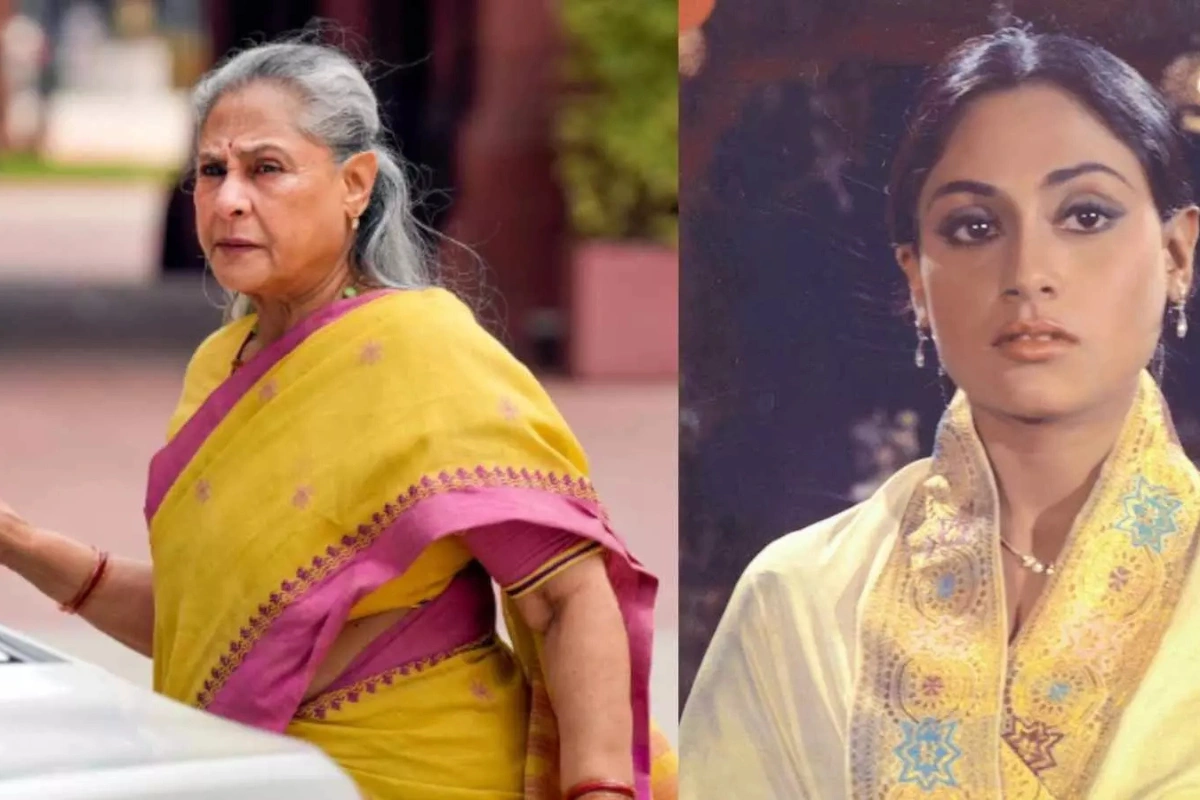
Veteran actor and Rajya Sabha MP Jaya Bachchan has once again found herself at the center of debate after her pointed comments about paparazzi sparked a sharp response from celebrity photographers. Known for her long-standing discomfort with intrusive camera culture, Jaya’s latest remarks questioned the professionalism of photographers who follow public figures — and the industry is pushing back.
Speaking at an event in Mumbai, Jaya expressed that while she respects traditional journalism, she does not share the same regard for paparazzi. She openly wondered whether individuals chasing celebrities with phones and cameras are trained enough to represent the media, hinting that the line between journalism and voyeurism has blurred. Her comments quickly circulated online, reigniting old conversations around dignity, privacy, and media ethics.
Celebrity photographer Varinder Chawla addressed the controversy in an interview, saying that many photographers felt disheartened by her tone. According to him, most paparazzi work long hours and earn modest incomes, yet continue showing respect to celebrities they cover.
“We were hurt by her remarks,” Chawla said. “There are many ways to express frustration, but choosing harsh words discourages people who are simply doing their jobs.” He added that several celebrities — including Alia Bhatt, Ranbir Kapoor, Deepika Padukone, and Virat Kohli — have successfully created respectful boundaries with photographers by communicating politely. Their request not to photograph their children, he noted, has been honored consistently.
Some photographers even discussed whether they should stop covering Jaya altogether, not out of protest, but to avoid conflict. “Our boys have never misbehaved with her. They always address her respectfully. Yet she still appears upset with us,” Chawla remarked.
He further suggested that celebrities who prefer privacy can easily avoid high-visibility entrances. “Most events have two entries — the red carpet and a back entry,” he explained. “If someone truly doesn’t want to be photographed, they can quietly take the alternative route. Walking the red carpet and then objecting to cameras creates unnecessary tension.”
Chawla also reacted to Jaya’s pointed observation about paparazzi attire, arguing that such remarks overlook the financial and personal challenges workers face. The issue, he said, is not just about photographers but also the broader ecosystem of crew members and support staff who keep the industry running.
In an earlier interview with Barkha Dutt on Mojo Story, Jaya had criticized certain paparazzi who, according to her, roam around with phones, wear inappropriate clothing, and believe owning a mobile camera entitles them to say or film anything. She questioned the background and training of individuals producing content that reaches millions via YouTube and social platforms.
Her candid statements have again spotlighted an ongoing cultural question:
Where should the boundary lie between public visibility and personal respect — especially for celebrities who constantly live under the lens?
The debate shows no sign of fading. On one side, photographers argue that visibility is a natural part of stardom. On the other, celebrities insist that being well-known should not strip them of dignity or choice. As both sides continue navigating this uneasy relationship, the conversation highlights the evolving nature of fame in the digital era — where every camera doubles as a publishing platform.