
Delhi Blast Case: A dramatic turn of events has shaken the family of 37-year-old software engineer Zubair Hangargekar, whose arrest by the Maharashtra Anti-Terrorism Squad (ATS) has highlighted a disturbing rise in alleged “white-collar radicalisation.” Zubair, who earned an annual salary of ₹22.5 lakh at a Pune-based IT firm, was taken into custody on 27 October under the Unlawful Activities (Prevention) Act (UAPA).
For his father, Iliyas Hangargekar, a retired vegetable vendor from Solapur, life had finally seemed stable. With two daughters married and two sons employed, the family believed they had left behind their financial struggles. That hope shattered when investigators accused Zubair of using his oratory skills to radicalise young individuals through speeches delivered at mosques and online platforms.
According to ATS officials, Zubair frequently delivered dars—interpretations of religious texts—often mixing them with themes of perceived injustice and communal grievances. Police allege he repeatedly spoke about sensitive issues, including the Babri Masjid demolition, aiming to influence impressionable youth in Pune, Solapur, and Thane.
Investigators claim the techie’s digital trail proved even more incriminating. During searches, authorities seized laptops, smartphones, and storage devices that reportedly contained propaganda magazines linked to al-Qaeda and the Islamic State, including material detailing methods of constructing explosive devices. They also discovered he was active in several Telegram groups that allegedly promoted establishing a “khilafat in India through jihad,” including encouragement of lone-wolf attacks.
Zubair’s background paints a stark contrast to the allegations. A distinction-holder in B.Tech from the Walchand Institute of Technology, he began his career with Cognizant in 2009 and later joined Cybage. Investigators believe his radicalisation began around 2015, when he allegedly interacted with operatives of terror modules in Pune and Hyderabad. Police say his strong academic record, intelligence, and IT expertise made him an attractive recruit for digital propaganda efforts.
The Covid-19 pandemic intensified his online activities, as remote work allowed him more time on encrypted platforms. ATS officials allege he created and moderated Telegram groups advocating the establishment of global Islamic rule and the dismantling of democratic structures.
Following 14 days of custody, ATS conducted further raids in Solapur and Pune, seizing electronic devices from around 20 individuals suspected to be associated with the module. Investigators are currently analysing the data, and a chargesheet will be filed once forensic examinations are complete.
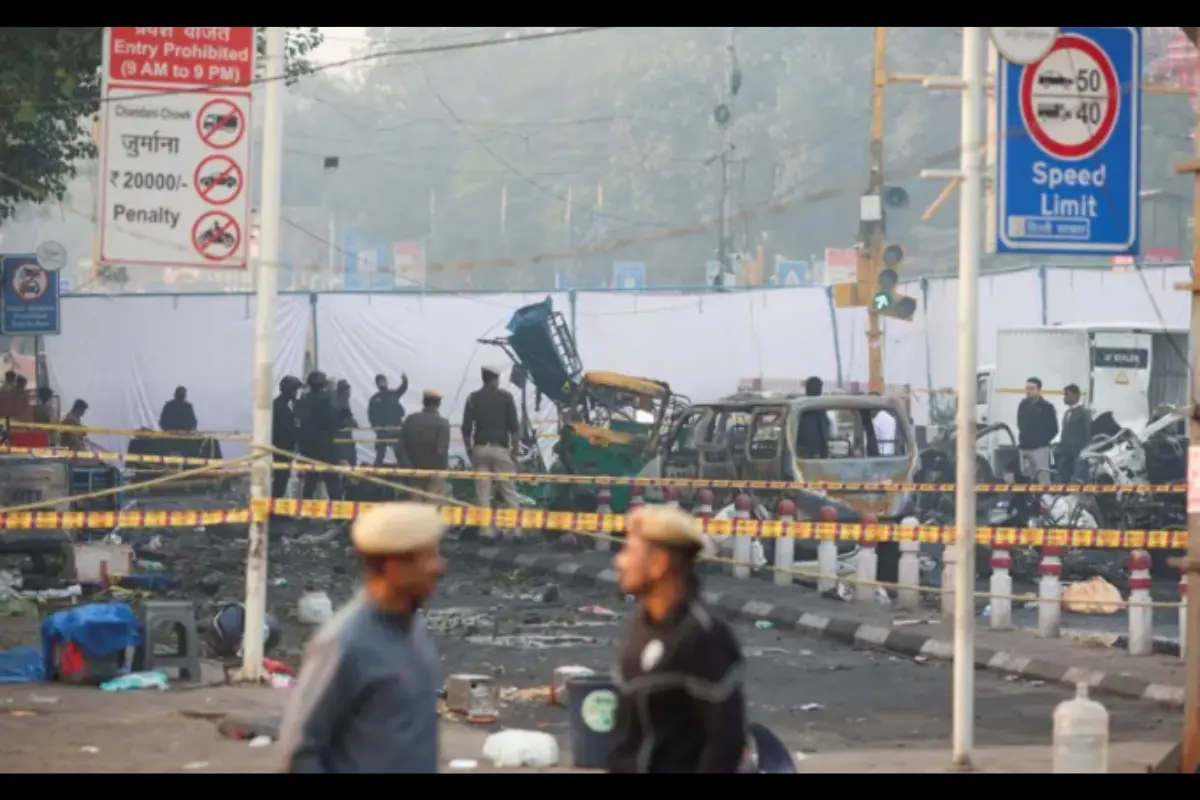
The arrest comes just weeks before the Delhi Red Fort blast, which killed 12 people on 10 November—an incident believed to be carried out by a radicalised group of medical professionals, raising fresh concerns over educated individuals participating in extremist activities.