
Delhi is preparing to undergo a major urban mobility transformation with a new 53-km cycling and walking corridor being planned along both sides of the Yamuna. Touted as one of the capital’s largest non-motorised transport initiatives, the project aims to offer a clean, scenic, and vehicle-free pathway stretching from Wazirabad Barrage to NH-24 and Kalindi Kunj Biodiversity Park.
The Delhi Development Authority (DDA) will develop the corridor in three stages, with Phase I expected to begin in early 2026 and completed within a year. Most approvals have already been obtained, and tenders have been issued, paving the way for full project rollout over the next three years.
What the Project Includes
The Yamuna riverfront route will cover:
-
23 km on the western bank
-
30 km on the eastern bank
Major features include:
-
A continuous 53-km green mobility corridor
-
Dedicated, well-lit, and clearly marked cycling paths
-
Strict environmental safeguards with no construction inside sensitive floodplain zones
-
Integration with biodiversity parks, restored green belts, and riverfront public spaces developed recently
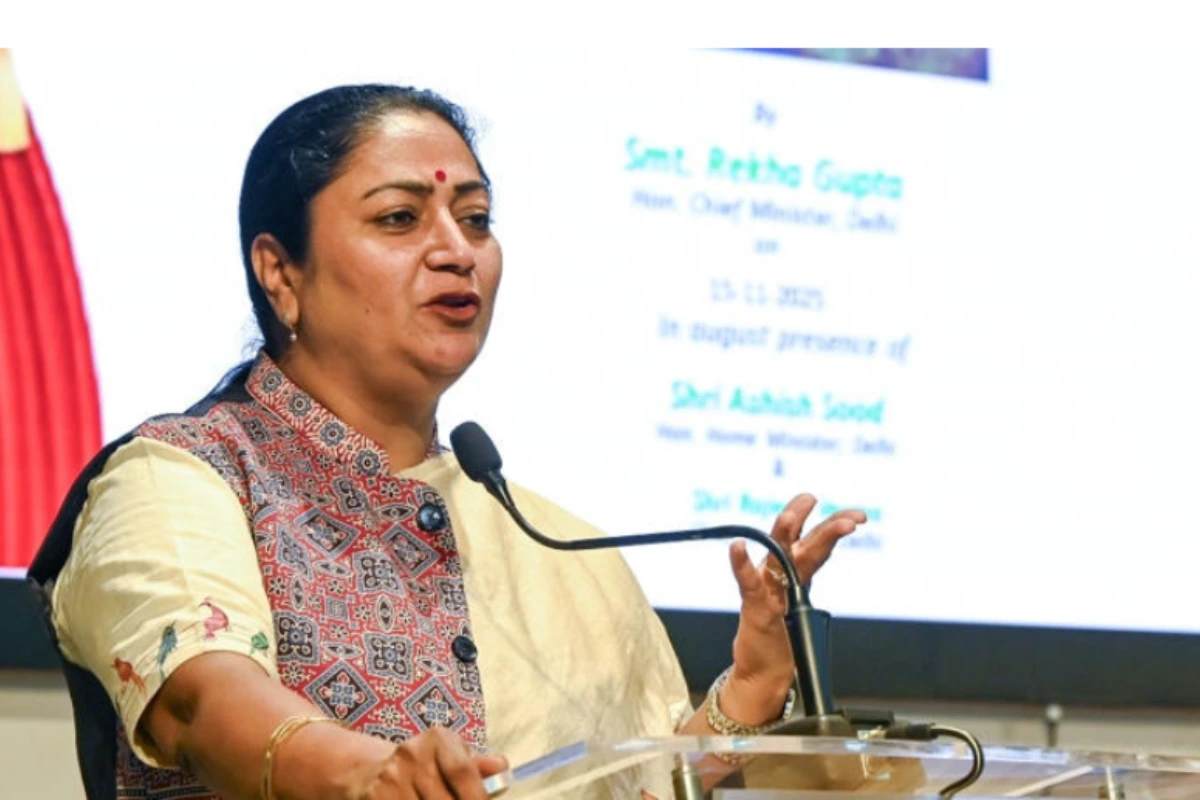
Chief Minister Rekha Gupta reviewed the project details and described the initiative as a “milestone towards cleaner air and healthier living.”
Boost to Green and Sustainable Mobility
The main objective of the riverfront track is to encourage eco-friendly travel across the city. By offering a safe pathway for walking and cycling, the corridor seeks to reduce dependence on private vehicles and cut down on carbon emissions.
Key mobility advantages:
-
Safe and uninterrupted movement for cyclists and pedestrians
-
Lower traffic pressure on key roads
-
Improved air quality due to reduced vehicular activity
-
Enhanced access to riverfront parks, nature zones, and open green areas
With its picturesque setting along the Yamuna, the track is expected to become a favorite for morning walkers, fitness enthusiasts, and weekend cyclists.
How Delhi Residents Will Benefit
The project serves a multi-dimensional purpose, strengthening both environmental health and public convenience.
-
Cleaner Air: Promotes non-motorised travel, helping reduce pollution levels.
-
Health & Fitness: Offers a secure environment for physical activity for all age groups.
-
Eco-Tourism: Revived green spaces and biodiversity parks may draw domestic and international visitors.
-
Urban Improvement: Revitalizes unused floodplain sections and converts them into vibrant public areas.
-
Traffic Relief: Expected to ease congestion around NH-24, Kalindi Kunj, and Old Yamuna Bridge.
Phase-Wise Timeline
| Phase | Route | Timeline |
|---|---|---|
| I | Old Yamuna Rail Bridge to NH-24 | Begins early 2026; expected completion in 12 months |
| II | NH-24 to Kalindi Kunj Biodiversity Park | Completed within overall 3-year period |
| III | Wazirabad Barrage to Old Yamuna Rail Bridge | Entire project ready in 3 years |
A Step Toward Reconnecting Delhi With Its River
The Yamuna cycle corridor complements ongoing efforts to clean and rejuvenate the river, restore its floodplains, and create community-friendly natural spaces between Wazirabad and Okhla. When fully operational, the city will gain a long, uninterrupted track away from noise and traffic—encouraging cycling as part of everyday life.
Delhi could soon witness a cultural shift where the Yamuna riverfront becomes one of the city’s most cherished public spaces and cycling grows into a mainstream urban habit.