Khiru
Dosa batter is a household essential in many Indian kitchens, loved for its ease of use, nutrition, and versatility. Whether prepared at home or bought ready-made, it is commonly used to make dishes like dosa, idli, and uttapam. However, a lesser-known term—khiru—is now drawing attention due to growing concerns around food safety and the risks associated with spoiled batter.
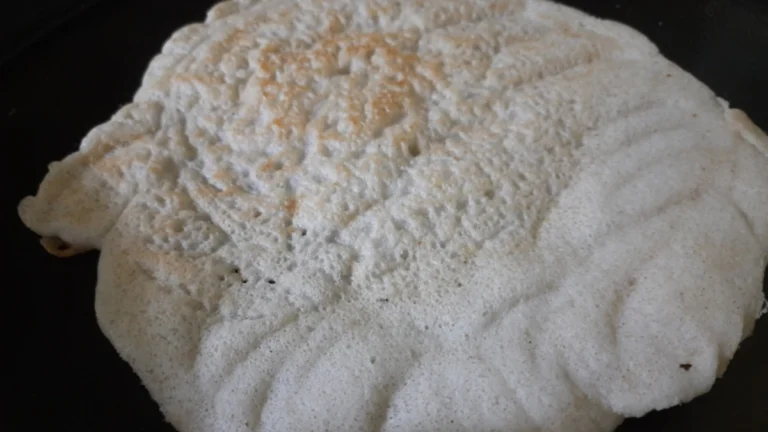
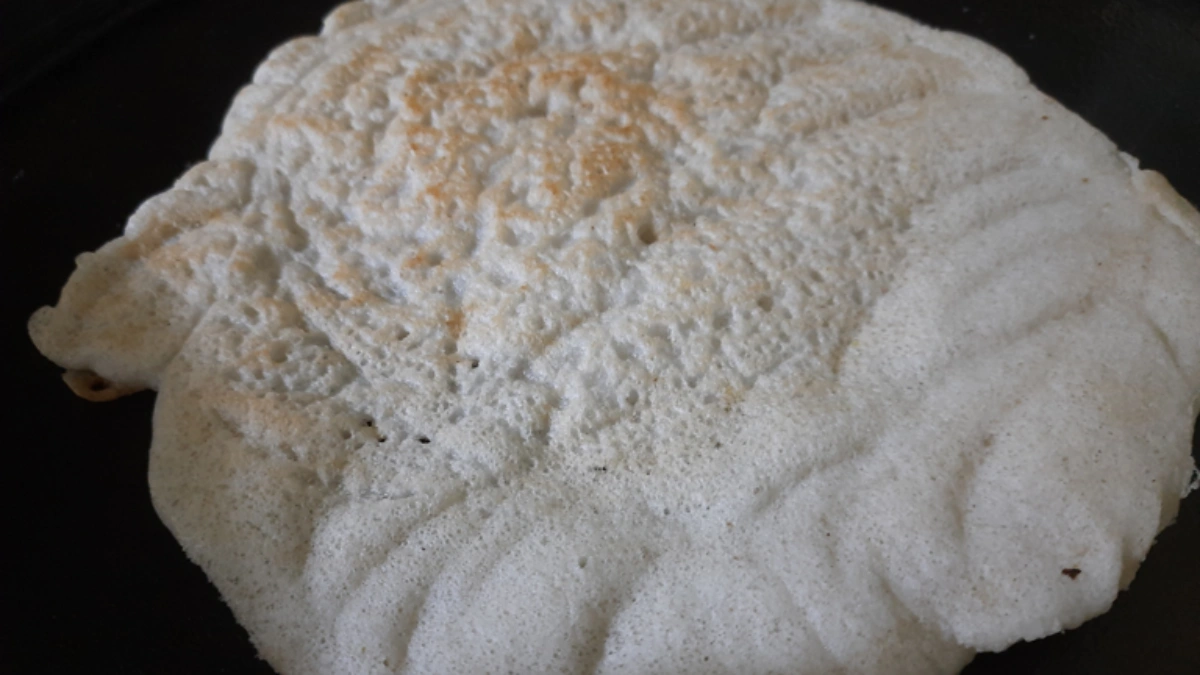
Traditionally, khiru refers to a fermented batter widely used in Gujarati cuisine. It is made using rice and dehusked urad dal (black gram), which are soaked, ground, and left to ferment for several hours or overnight. This fermentation process is essential, as it gives the batter its light, airy texture and slightly tangy flavor, making it perfect for South Indian dishes.
Fermentation, when done correctly, is a natural and beneficial process. Healthy dosa batter develops a mild sour aroma due to the activity of good bacteria breaking down sugars. However, problems arise when fermentation goes beyond safe limits or when harmful microorganisms contaminate the batter. This is when khiru can become unsafe for consumption.
Identifying spoiled batter before it becomes harmful is crucial. One of the first signs to check is the smell. Fresh batter typically has a pleasant, mildly tangy aroma. If the batter emits a strong, pungent, or foul odor, it is a clear indication that it has gone bad. This “off” smell should not be ignored under any circumstances.
Texture is another important indicator. Good dosa batter is smooth, slightly thick, and airy. In contrast, spoiled batter may appear excessively watery or overly thick with a sticky consistency. Sometimes, the batter may also separate, which is another warning sign of spoilage.
Visual changes can also reveal a lot about the condition of the batter. Discoloration, such as greyish tones or dull patches, often indicates that the batter is no longer safe. The presence of mold, even in small amounts, is a definite red flag and means the batter should be discarded immediately. Additionally, unusual bubbles or a slimy layer on the surface may suggest bacterial growth.
While some people rely on tasting the batter as a quick test, this method is not recommended if any other warning signs are present. Consuming even a small amount of spoiled batter can pose health risks.
Proper storage plays a key role in preventing spoilage. Packaged dosa batter must always be kept refrigerated. Leaving it at room temperature, even for a short time—especially in warm climates—can accelerate bacterial growth. Once opened, the batter should ideally be used within two to three days. It is also important to use clean and dry utensils while handling the batter to avoid contamination.
The health risks associated with consuming spoiled dosa batter are serious. Harmful bacteria can lead to food poisoning, causing symptoms such as vomiting, diarrhea, stomach cramps, and fever. In severe cases, particularly among children, elderly individuals, or those with weak immune systems, the consequences can be life-threatening.
Concerns around khiru recently gained attention after a tragic incident where two children reportedly fell ill and lost their lives after consuming dosa made from suspected spoiled store-bought batter. While investigations are still ongoing, the incident has highlighted the potential dangers of consuming improperly stored or contaminated food.
The key takeaway is simple: never ignore the signs your food gives you. If your dosa batter smells unusual, looks different, or has not been stored properly, it is always safer to throw it away. Convenience should never come at the cost of health.
Being aware of what khiru is and how to identify it can help prevent avoidable health risks. A quick check before cooking can make the difference between a safe, delicious meal and a dangerous one.
About the Author