Paneer Protein
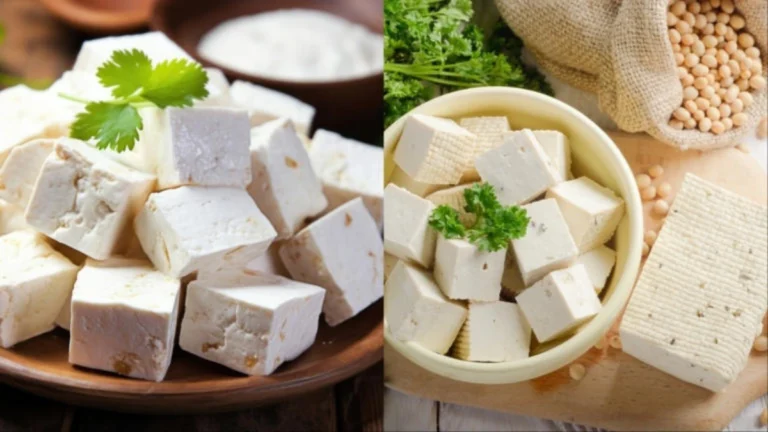
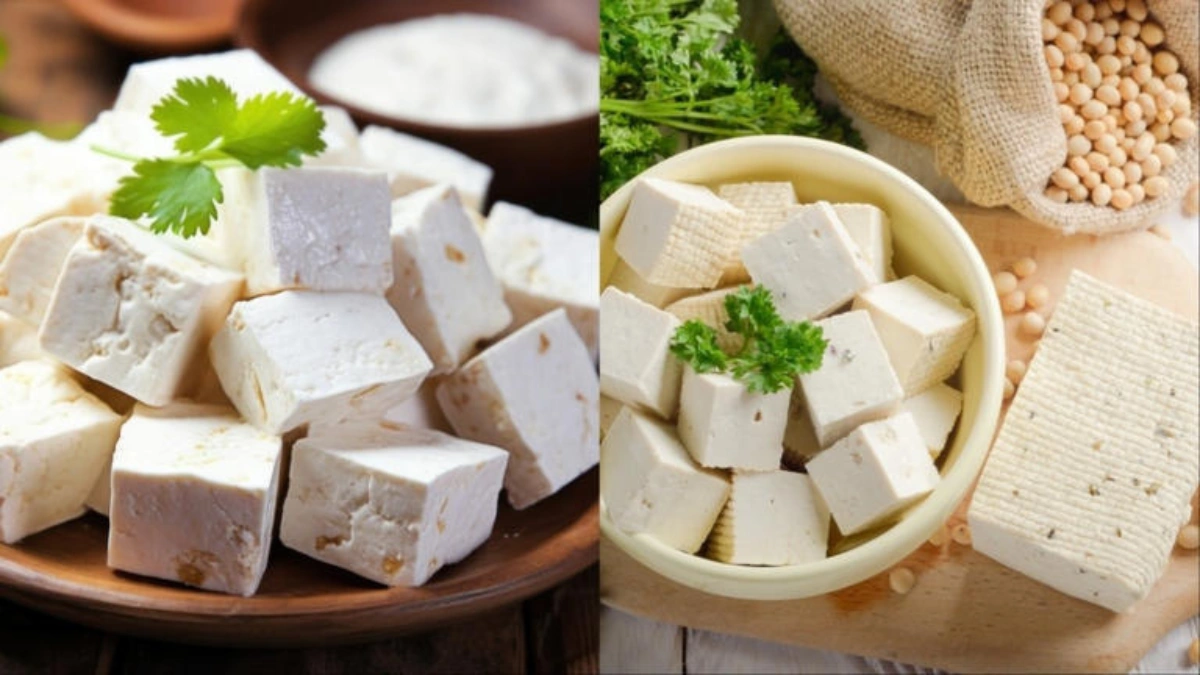
Paneer, often referred to as Indian cottage cheese, is one of the most trusted protein sources for vegetarians. From simple home-cooked meals to restaurant delicacies, paneer finds a place in almost every Indian kitchen. Rich in protein, calcium, and essential nutrients, it plays a key role in supporting muscle growth and overall health.
However, what many people don’t realize is that the way paneer is cooked, stored, and consumed can directly impact its nutritional benefits. Even though paneer is naturally high in protein, certain everyday mistakes can reduce its effectiveness as a healthy food choice.
If you rely on paneer as a major protein source, here are five common mistakes you should avoid to get the maximum benefit.
1. Overcooking Paneer
One of the most frequent mistakes is cooking paneer for too long, especially on high heat. While the protein content doesn’t disappear, overcooking makes paneer hard and rubbery. This not only affects the taste but also makes it slightly harder to digest.
Paneer cooks very quickly and doesn’t require prolonged heat exposure. When added at the right time, it stays soft and retains its natural texture.
Better Approach:
Lightly sauté paneer or add it toward the final stages of cooking. This helps preserve both texture and digestibility.
2. Choosing Low-Quality or Processed Paneer
Not all paneer available in the market offers the same nutritional value. Packaged or highly processed paneer often contains preservatives and may have a lower protein density compared to fresh varieties.
Fresh paneer, especially homemade, tends to be richer in nutrients and free from unnecessary additives.
Better Approach:
Opt for fresh paneer from a trusted source or prepare it at home using milk. This ensures better quality protein and overall nutrition.
3. Deep Frying Paneer
Deep-fried paneer dishes are undeniably tasty, but they come with a downside. Frying paneer in large amounts of oil significantly increases its fat and calorie content, which can overshadow its protein benefits.
Regular consumption of fried paneer can turn a healthy food into a heavy, calorie-dense meal.
Better Approach:
Instead of deep frying, try grilling, baking, or shallow frying with minimal oil. This keeps the dish lighter and healthier while still preserving flavor.
4. Not Pairing Paneer with the Right Foods
Paneer alone is nutritious, but the overall meal composition matters just as much. Pairing paneer only with rich gravies or refined carbohydrates like white bread or naan can make the meal less balanced.
Combining paneer with fibre-rich foods improves digestion and helps the body absorb nutrients more effectively.
Better Approach:
Include vegetables, whole grains like roti or brown rice, and salads along with paneer dishes. This creates a well-rounded and nutrient-rich meal.
5. Improper Storage Practices
Storage plays a crucial role in maintaining paneer’s freshness and nutritional value. Leaving paneer exposed to air or storing it for too long can make it dry, hard, and less enjoyable to eat.
Improper storage can also impact its safety and quality over time.
Better Approach:
Store paneer in the refrigerator, preferably submerged in clean water in an airtight container. Consume it within a few days to ensure maximum freshness and taste.
Make the Most of Your Paneer
Paneer can be an excellent addition to a healthy diet when used correctly. It offers a strong combination of protein and essential nutrients, making it ideal for muscle building, weight management, and overall wellness.
By avoiding these simple yet common mistakes, you can ensure that paneer remains a high-quality protein source in your meals. Small changes in cooking methods, food combinations, and storage habits can make a big difference in how beneficial paneer truly is.
In the end, it’s not just about what you eat—but how you prepare and consume it that determines its real value.
About the Author