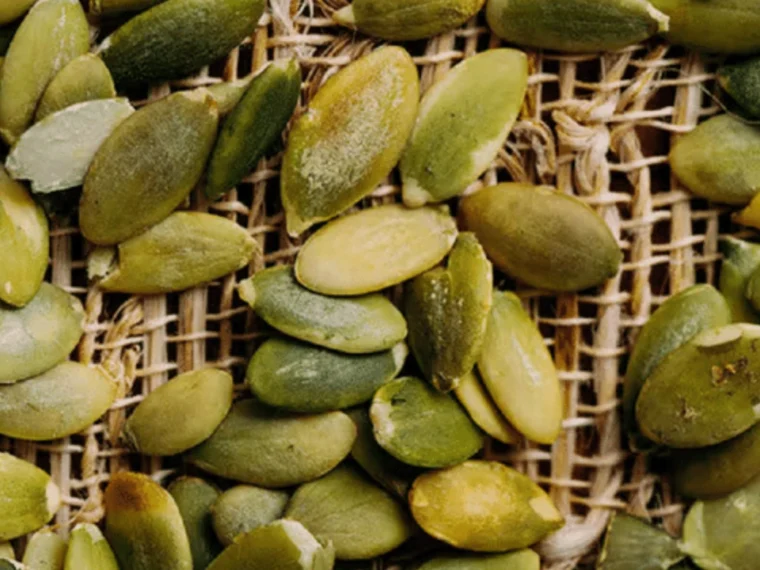
Pumpkin seeds, often called pepitas, are small but incredibly nutrient-dense seeds that have gained popularity as a healthy snack around the world. These crunchy green seeds are packed with essential nutrients such as protein, fiber, healthy fats, vitamins, and minerals. But while pumpkin seeds offer numerous health benefits, many people wonder: how many pumpkin seeds should you eat daily?
Understanding the right quantity is important because eating too little may limit the benefits, while eating too many could lead to certain side effects. Let’s explore the recommended daily intake, the health benefits, and the potential risks of consuming pumpkin seeds.
Recommended Daily Intake of Pumpkin Seeds
Nutrition experts generally recommend consuming about 1 ounce (around 28 grams) of pumpkin seeds per day, which is roughly a small handful or 2–3 tablespoons. This amount provides a balanced dose of nutrients without adding excessive calories to your diet.
A one-ounce serving typically contains:
-
Around 150–170 calories
-
7–9 grams of protein
-
4 grams of fiber
-
Healthy fats including omega-6 fatty acids
-
Important minerals like magnesium, zinc, and iron
Eating this moderate portion daily can help you enjoy the benefits of pumpkin seeds while avoiding digestive discomfort or excess calorie intake.
Health Benefits of Eating Pumpkin Seeds
1. Rich in Nutrients
Pumpkin seeds are loaded with essential nutrients. They are especially rich in magnesium, which supports muscle function, nerve health, and bone strength. They also contain zinc, which plays a key role in immune function and wound healing.
2. Supports Heart Health
The healthy fats, antioxidants, and magnesium found in pumpkin seeds can help support heart health. Regular consumption may help reduce bad cholesterol (LDL) levels while promoting better circulation.
Magnesium in pumpkin seeds also contributes to maintaining normal blood pressure levels.
3. Boosts Immunity
Pumpkin seeds contain a good amount of zinc, which helps strengthen the immune system. Zinc supports the body’s ability to fight infections and also plays a role in maintaining healthy skin.
4. May Improve Sleep Quality
Pumpkin seeds contain tryptophan, an amino acid that helps the body produce serotonin and melatonin. These chemicals help regulate mood and sleep cycles. Eating a small portion of pumpkin seeds in the evening may support better sleep.
5. Good for Digestive Health
Thanks to their fiber content, pumpkin seeds help promote healthy digestion. Fiber supports gut health and may help prevent constipation when consumed as part of a balanced diet.
6. May Support Prostate and Bladder Health
Research suggests pumpkin seeds may support prostate health in men and improve bladder function. Some studies indicate that pumpkin seed extracts may help reduce symptoms of an enlarged prostate.
Possible Side Effects of Eating Too Many Pumpkin Seeds
While pumpkin seeds are healthy, consuming excessive amounts can cause certain issues.
1. Digestive Problems
Eating too many pumpkin seeds may lead to bloating, gas, or stomach discomfort. This is mainly due to their fiber content and high fat levels.
2. High Calorie Intake
Pumpkin seeds are calorie-dense. Overeating them regularly can increase your daily calorie intake, which may contribute to weight gain if not balanced with physical activity.
3. Sodium Concerns
Many packaged pumpkin seeds are salted. Consuming large quantities of salted seeds may increase sodium intake, which could negatively affect blood pressure.
4. Allergic Reactions (Rare)
Although uncommon, some individuals may experience allergic reactions to pumpkin seeds. Symptoms may include itching, swelling, or digestive issues.
Best Ways to Eat Pumpkin Seeds
Pumpkin seeds are versatile and can be added to many dishes. Some popular ways to consume them include:
-
Sprinkling them over salads or yogurt
-
Mixing them into smoothies
-
Adding them to oatmeal or breakfast bowls
-
Blending them into homemade granola
-
Enjoying them as a roasted snack
For maximum health benefits, choose unsalted and lightly roasted pumpkin seeds.
Final Thoughts
Pumpkin seeds are a powerful superfood packed with essential nutrients that support overall health. Consuming about one small handful (28 grams) per day is generally considered safe and beneficial for most people.
By sticking to the recommended portion and choosing minimally processed seeds, you can enjoy the many health benefits of pumpkin seeds—from better heart health and improved immunity to better digestion and sleep—while avoiding potential side effects.